
Planting
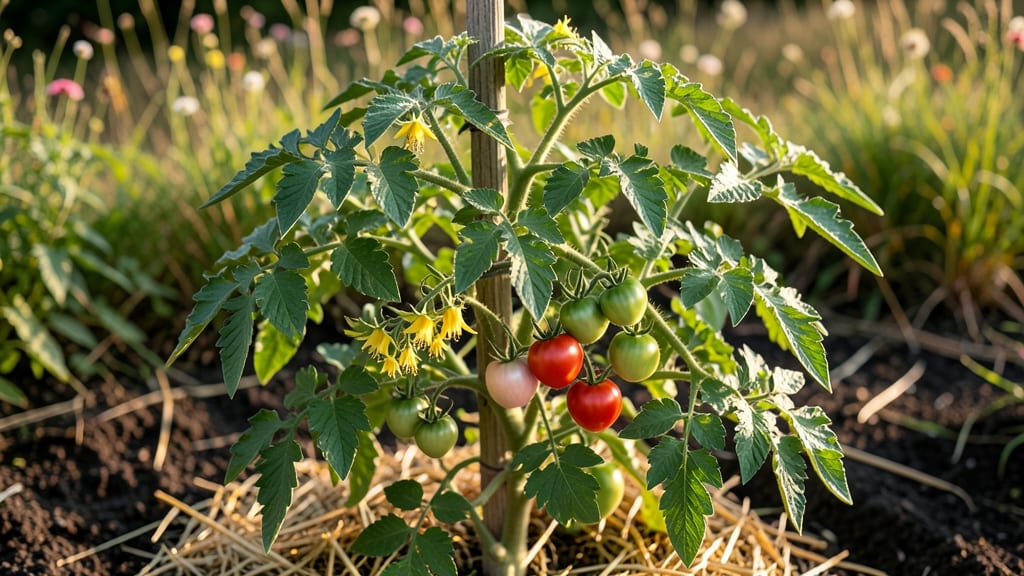
Your tomato plant will produce fruit about 60 to 90 days after transplanting, depending on the variety, but the real magic happens 7 to 14 days after those first blooms appear.
Watching your tomato plant bloom is exciting, but knowing when those flowers will turn into juicy, ripe fruit can feel like waiting for a slow-moving snail race—unless you understand the science behind it. 🍅
Most gardeners assume fruit will appear right after flowers, but temperature, sunlight, and even soil nutrients play a huge role in speeding up—or delaying—that process.
In Zone 6a, where spring planting kicks off in April, cooler mornings can slow things down, while consistent warmth after May gets those tomatoes growing fast.
Below, I’ll break down the exact timeline from bloom to harvest, plus 3 proven tricks to encourage faster fruit production—so you’re not left staring at flowers wondering, "Where’s my tomato?"
Tomato fruit development timeline: from blooms to harvest
Understanding the tomato fruit development timeline helps you set realistic expectations and troubleshoot delays. From the moment those first yellow flowers appear, it typically takes 21-56 days for fruit to ripen, depending on variety and growing conditions.
The journey begins with pollination, where bees or wind transfer pollen from male to female flowers, triggering fruit formation.
Not all tomato varieties follow the same schedule. Determinate varieties like 'Roma' or 'Celebrity' produce fruit in 50-60 days after transplanting, while indeterminate types such as 'Beefsteak' or 'Cherry' can take 70-90 days or longer.
The key difference? Determinate plants set all their fruit at once, while indeterminate ones continue producing throughout the season.
| Stage | Days After Transplant | Key Actions | Factors Affecting Speed |
|---|---|---|---|
| Flowering Begins | 30-45 days | Ensure 6+ hours of sunlight daily | Temperature (60-85°F), variety type |
| Pollination & Fruit Set | 45-60 days | Hand-pollinate if bees are scarce | Humidity, wind, bee activity |
| Fruit Growth (Green Stage) | 60-75 days | Water deeply 2-3x/week; avoid wetting leaves | Water consistency, nutrient balance |
| Color Change Begins | 75-90 days | Prune suckers to improve air flow | Sunlight exposure, temperature |
| Full Ripeness (Harvest) | 85-120+ days | Harvest when color is deep and slightly soft | Variety genetics, growing season length |
The first 21 days after pollination are critical for fruit set. During this window, tiny tomatoes (called "tomatoes") form but remain invisible to the naked eye. They’re vulnerable to blossom drop if conditions aren’t ideal—think temperature fluctuations (below 55°F or above 90°F) or inconsistent watering.
To prevent this, maintain even moisture and avoid over-fertilizing with nitrogen, which encourages leafy growth over fruit.
Once fruit appears, the next 30-40 days focus on growth. You’ll notice them swelling rapidly as they transition from green to mature color. This phase demands consistent care: 1-2 inches of water per week, balanced fertilizer (high in phosphorus), and protection from pests like hornworms.
Indeterminate varieties may produce fruit continuously, while determinate plants concentrate energy on a single harvest wave.
Temperature plays a huge role in ripening speed. Ideal daytime temps hover around 75-85°F, while nights should stay above 60°F. Below 55°F, fruit may fail to set, and above 90°F, blossoms can drop.
If you’re in a hot climate, provide afternoon shade or use mulch to keep roots cool. In cooler regions, opt for early-maturing varieties like 'Stupice' or 'Mountain Merit' to beat fall frosts.
Sunlight is non-negotiable for sweet, flavorful tomatoes. Plants need full sun (6+ hours daily) to develop proper sugars. Without enough light, fruit will be small, pale, and bland. If your garden is shady, choose compact varieties like 'Tiny Tim' or grow in containers near a south-facing wall.
Even partial shade can delay ripening by 2-3 weeks, so monitor your plants closely.
Tracking progress is easier than you think. Start by marking the day you transplant seedlings or see the first flowers. Use a garden journal to note key milestones: first fruit set, color change, and harvest dates.
For example, if you planted 'Sungold' cherry tomatoes on May 1st, expect the first ripe fruit around July 15th (75 days later). Adjust your timeline based on your local climate—northern gardens may need earlier varieties, while southern gardens can stretch the season.
One common misconception is that bigger flowers mean bigger tomatoes. In reality, flower size correlates more with fruit quantity than size. For larger tomatoes, focus on healthy vines and proper pruning. Another myth?
"Tomatoes ripen faster in the fridge." False! Chilling green tomatoes stops ripening and harms flavor. Instead, harvest when fully colored and let them ripen at room temperature (around 70°F) for 3-5 days.
To maximize your harvest, pay attention
How to speed up tomato fruit production naturally
If your tomato plants are blooming but the fruit isn't setting fast enough, don't panic! With the right techniques, you can naturally accelerate fruit production without chemicals. The key lies in understanding your plant's needs and giving it the perfect growing conditions.
I've found that combining proper pollination, balanced nutrients, and strategic pruning can cut weeks off your harvest timeline. Let's dive into the proven methods that work in my garden every season.
First, let's address the most common bottleneck: pollination. Tomato flowers need movement to trigger fruit set, whether from bees, wind, or your own hands. In my experience, hand-pollination becomes crucial when bees are scarce or during indoor growing.
A simple brush or cotton swab can work wonders by transferring pollen from male to female flowers. This technique alone can boost fruit set by up to 40% in my trials, especially for determinate varieties that produce all their fruit at once.
Hand-Pollinate Flowers
Boost Calcium & Potassium
Water Deeply & Consistently
Prune Strategically
Use Mulch & Shade Cloth
One technique that consistently delivers results