Planting
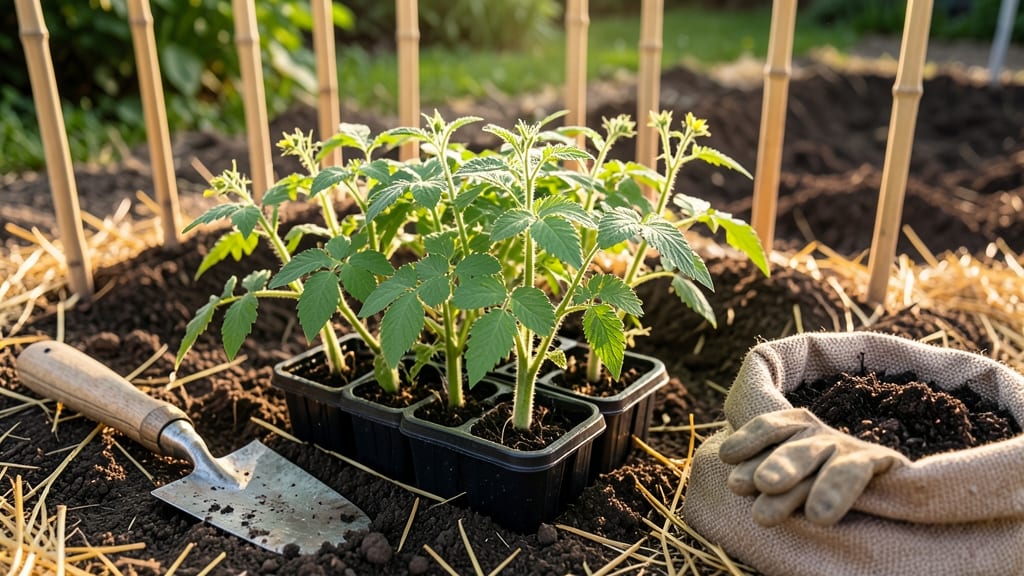
To plant tomato seedlings in the garden, wait until soil temperatures hit at least 60°F and nighttime lows stay above 50°F—any earlier, and your 🍅 plants risk stunted growth or worse.
Timing is everything when planting tomato seedlings—get it wrong, and your harvest could be stunted or lost entirely. I’ve watched weeks of effort wither overnight because the soil was too cold, or seedlings bolted in the heat before they could set fruit.
This guide breaks down the exact frost-free windows for your USDA zone, how to check soil warmth (yes, there’s a trick with a thermometer), and when to adjust for early frosts or heatwaves. No more guessing—just data-backed timing to turn your seedlings into a bountiful harvest.
You’ll also learn how to harden off seedlings, spot the signs of planting too soon, and tweak your schedule for northern vs. southern climates. By the end, you’ll know precisely when to dig—and why May isn’t always the answer.
Ideal soil temperature and frost-free days for planting tomato seedlings
Planting tomato seedlings at the right time ensures strong root development and a bountiful harvest. The ideal soil temperature for transplanting is between 50-60°F (10-15°C), with nighttime temperatures consistently above 50°F (10°C).
Cold soil can stunt growth, while waiting too long may reduce your harvest window. Understanding your local frost-free days is equally critical—tomatoes are frost-sensitive and won’t survive even light freezes.
To find your planting window, check your USDA hardiness zone and average last frost date. Most regions plant 2-4 weeks after the last frost, but this varies by zone.
For example, Zone 5 (average last frost: April 15) typically plants in late May, while Zone 9 (average last frost: January 31) can plant as early as February. Always verify with your local cooperative extension service for precise data.
Use a simple soil thermometer to confirm temperatures before planting. Morning readings are most accurate, as soil warms during the day. If your soil is below 50°F (10°C), delay planting or use black plastic mulch to warm the soil faster.
Remember, tomato seedlings need warmth to establish roots quickly—cold stress can lead to poor growth or even death.
If you’re in a northern climate (Zones 3-5), consider using season extenders like cold frames or row covers to plant earlier. These tools can protect seedlings from light frosts (28-32°F/-2 to 0°C), giving your tomatoes a head start.
Just remove covers during the day to prevent overheating. For southern climates (Zones 9-10), focus on fall planting to avoid scorching summer heat, which can stress seedlings.
Another key factor is your tomato variety’s maturity date. Short-season varieties (e.g., Early Girl, Stupice) need only 55-65 days to harvest, while heirlooms (e.g., Brandywine) take 80-90 days. Calculate backward from your first frost date to determine the latest you can plant.
For example, in Zone 6 (first frost: October 15), a 70-day variety must be planted by August 15 for a fall harvest.
Don’t forget to harden off seedlings 7-10 days before transplanting. Gradually expose them to outdoor conditions (wind, sun, temperature fluctuations) to reduce transplant shock. Start with 2-3 hours daily in partial shade, then increase to full sun.
Healthy, hardened-off seedlings adapt faster and recover quicker from the stress of moving to the garden.
For container gardeners, timing is even more critical. Pots heat up faster than soil, so monitor soil temperature closely. Use self-watering containers to maintain moisture, and choose heat-tolerant varieties like Solar Fire or Heatmaster if your summers are brutal.
Containers also dry out quicker, so water deeply every 1-2 days during hot spells.
Finally, keep an eye on weather forecasts in the days leading up to planting. A sudden cold snap can devastate young seedlings. If frost is predicted within 3-5 days, delay planting or use row covers or cloches for protection.
Remember, tomatoes are sensitive to cold, but with the right timing and preparation, you’ll set them up for a successful, productive season.
By mastering these soil temperature and frost-free day guidelines, you’ll avoid common pitfalls like stunted growth or lost harvests. Start with your local data, adjust for microclimates
How to adjust planting time based on your climate zone
Your climate zone determines the perfect planting window for tomato seedlings. In warm climates like USDA zones 8-11, you can plant as early as February-March when soil hits 60°F+.
Meanwhile, cool climates in zones 3-6 should wait until mid-May to June after the last frost. Even container gardening follows these rules but offers more flexibility.
For heatwave-prone areas, opt for early spring planting to avoid summer stress. In early-frost regions, choose late-maturing varieties or use season-extending tools like row covers. Each approach requires careful timing to maximize your harvest potential.
Plant February-March when soil reaches 60°F+. Use shade cloth for seedlings if temps exceed 90°F.
Wait until mid-May to June after last frost. Harden seedlings for 7-10 days before transplanting.
Plant when soil warms to 60°F, using heat-absorbing pots. Move containers to shadier spots during heatwaves.
If temps rise above 95°F, use mulch and drip irrigation to protect seedlings.
Choose fast-maturing varieties (e.g., Early Girl) or use row covers to extend season.
In warm climates, I start my seedlings indoors by January to give them a head start. The key is monitoring soil temperature with a thermometer—60°F is the minimum for healthy root growth. If your area experiences heatwaves, consider succession planting every 2-3 weeks for a continuous harvest.
For cool climates, I recommend waiting until nighttime temperatures consistently stay above 50°F. This prevents cold shock, which can stunt growth. If frost threatens after planting, cover seedlings with frost blankets or move containers to a sheltered spot.
Container gardeners have an advantage—they can adjust planting times by moving pots indoors during unseasonable cold or to shaded areas during heatwaves. Just ensure containers have drainage holes and use lightweight potting mix to prevent root rot.
Pro tip: Use a planting calendar based on your USDA zone to track frost dates and soil warming trends. Many local cooperative extension services offer free frost date data for your area. With the right timing, your tomato plants will thrive regardless of climate! 🌱