
Vegetables
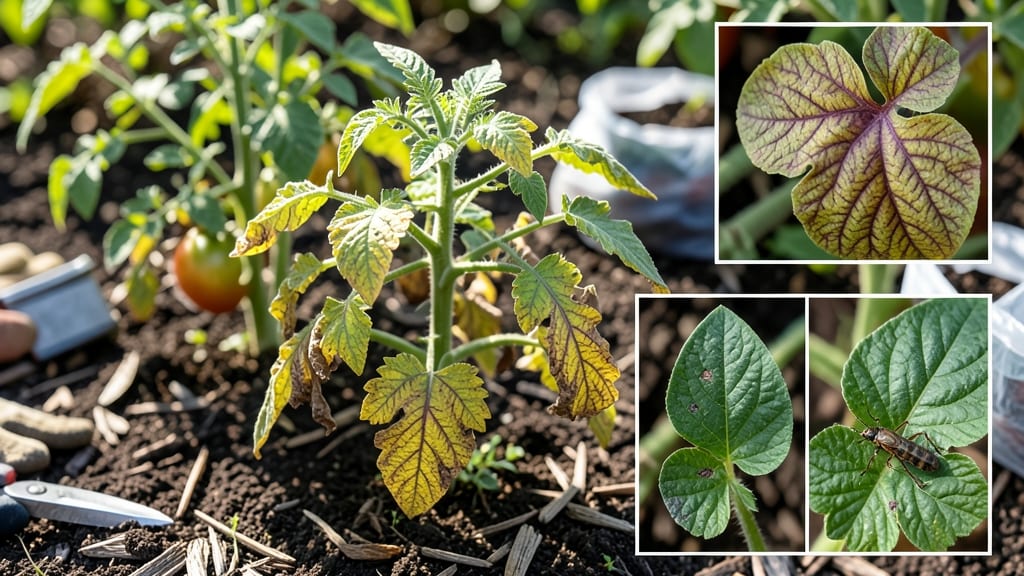
Your tomato plants might be screaming for help—but you’d never hear it without knowing the symptoms of the tomato curly top virus.
This insidious disease turns vibrant foliage into twisted, yellowing wrecks, and if you spot the classic crinkled leaves and stunted growth, it’s already too late for those plants. The good news? Catching it early means you can save the rest of your garden.
Here’s what to watch for: leaves curling upward like a wave, new growth stunted to the size of a thumbnail, and a strange yellowing that starts at the veins.
The virus spreads through leafhoppers, so even healthy plants nearby are at risk. I’ve seen entire rows collapse in weeks—don’t let that happen to yours.
Once infected, there’s no cure, but you can remove plants immediately (bag them and trash them—no compost!) and focus on controlling leafhoppers with row covers or organic sprays. Prevention is key: choose resistant varieties like ‘Mountain Merit’ or ‘Defiant PhR,’ and keep your garden clean to starve out pests.
The silver lining? This virus thrives in hot, dry summers—so if you’re in a cooler climate, your risk is lower. Still, knowing the symptoms means you’ll spot trouble before it spreads. Let’s protect that harvest!
Root Causes Of Curly Top Virus
The tomato curly top virus (CTV) doesn’t appear out of thin air—it’s spread by a specific culprit, and understanding its origins helps you protect your garden. This disease is caused by a phytoplasma, a tiny, plant-infecting bacterium-like organism, but its spread relies heavily on an unexpected helper: insects.
Here’s why this virus takes hold in tomato plants and how environmental factors play a role.
The primary carrier of the tomato curly top virus is the beet leafhopper (Circulifer tenellus), a small, wedge-shaped insect that thrives in warm, dry climates. Here’s how it works:
- 🔬 How it infects: Leafhoppers become infected when they feed on weedy hosts (like Russian thistle or spiny sowthistle) already carrying the virus. Once infected, they remain contagious for their entire lifetime—up to 60 days.
- 🌱 Transmission to tomatoes: When an infected leafhopper lands on a tomato plant and feeds for just 10–30 minutes, it can inject the virus into the plant’s phloem (the vascular tissue that transports nutrients). The virus then spreads systemically, disrupting growth.
- 🌡️ Climate’s role: Leafhoppers are most active in hot, dry conditions (ideal for Southwestern U.S. regions like Arizona, California, and Texas). Cooler, wetter climates slow their activity but don’t eliminate the risk entirely.
💡 Pro Tip: If you’re in a high-risk area, monitor leafhopper populations early—adults appear in spring and can multiply rapidly. Yellow sticky traps can help track their presence before symptoms show up on tomatoes.
The tomato curly top virus doesn’t just jump from tomato to tomato—it overwinters in weeds, acting as a reservoir for reinfection each season. Key culprits include:
| Weed Species | Why It’s Dangerous | How to Control It |
|---|---|---|
| Russian thistle (tumbleweed) | Highly susceptible to CTV; leafhoppers thrive on its dense foliage. | Remove before seed set; use herbicides like glyphosate in late summer. |
| Spiny sowthistle | Common in dry, disturbed soils; acts as a virus reservoir. | Hand-pull or smother with mulch; repeat treatments may be needed. |
| Purslane | Grows aggressively in garden beds; attracts leafhoppers. | Cultivate soil regularly; avoid overwatering to reduce spread. |
⚠️ Warning: Even if you don’t see weeds in your garden, leafhoppers can fly in from nearby fields or wild areas. A single infected weed within a mile can introduce the virus to your tomatoes.
While the virus itself is spread by insects, environmental stress makes tomato plants more vulnerable to severe symptoms. Here’s how:
- 🔥 Extreme heat: Temperatures above 85°F (29°C) accelerate leafhopper activity and weaken tomato plants, making them more susceptible to infection. Stunted growth and curled leaves become far more pronounced under heat stress.
- 💧 Drought conditions: Water-stressed tomatoes have lower sap pressure, which leafhoppers find more appealing. Additionally, drought weakens the plant’s immune response, allowing the virus to spread faster once introduced.
- 🌿 Poor soil health: Nutrient-deficient or compacted soil reduces tomato vigor, making them easier targets. Potassium and phosphorus deficiencies are linked to worse CTV symptoms.
🌱 Actionable Fix: If you’re in a high-risk zone, improve soil drainage and use drip irrigation to avoid wetting foliage (which attracts leafhoppers). Mulching with straw or wood chips also helps retain moisture and suppress weeds.
🔍 Key Takeaway: The tomato curly top virus is a team effort—insects spread it, weeds harbor it, and environmental stress worsens the damage. Breaking this cycle starts with early detection of leafhoppers and weed control before symptoms appear on your tomatoes.
How to Fix Tomato Curly Top Virus
If your tomato plants are showing signs of stunted growth, curled leaves, or yellowing veins, don’t panic—there are steps you can take to manage the problem and protect your garden.
While tomato curly top virus (CTV) has no cure once infected, you can prevent its spread, remove affected plants, and strengthen your garden’s defenses to minimize damage. Here’s how to tackle it effectively:
Why it works: CTV spreads via leafhoppers, and infected plants act as a virus reservoir. The sooner you remove them, the less chance the virus has to spread.
How to do it:
- 🍅 Pull or dig up infected plants (including roots) as soon as symptoms appear.
- 🔪 Do not compost them—the virus can survive in plant debris. Instead, bag and dispose of them in the trash.
- 🌱 Avoid planting tomatoes, peppers, or other susceptible crops in the same spot next season (rotate crops to break the disease cycle).
Pro Tip: 💡 If you have a small garden, consider sacrificing a few plants to monitor for early signs—catching CTV before it spreads saves the whole harvest.
Since leafhoppers (the virus vectors) thrive in weedy, dry areas, reducing their habitat cuts transmission risks.
How to do it:
- 🌿 Keep your garden weed-free, especially near tomato beds. Weeds like mustard, pigweed, and Russian thistle attract leafhoppers.
- 💧 Water deeply and consistently—leafhoppers favor stressed, drought-prone plants. Mulch to retain moisture.
- 🕷️ Encourage natural predators like ladybugs, lacewings, and parasitic wasps, which feed on leafhoppers.
- 🌡️ Use reflective mulch (like aluminum foil or silver plastic) around plants—it disorients leafhoppers and reduces landings.
Pro Tip: ✨ Plant trap crops like marigolds or nasturtiums near tomatoes to lure leafhoppers away.
Healthy plants resist stress better, making them less attractive to pests and slightly more tolerant of mild infections.
How to do it:
- 🌱 Choose resistant varieties (though no tomato is fully immune to CTV, some like ‘Mountain Merit’ or ‘Celebrity’ tolerate stress better).
- 🍽️ Fertilize properly—too much nitrogen = soft, attractive plants. Use a balanced fertilizer (10-10-10) and add compost for slow-release nutrients.
- 🌿 Prune for airflow—remove crowded foliage to reduce humidity, which leafhoppers love.
Pro Tip: 💪 Avoid overwatering—wet leaves invite fungal issues and attract pests. Water at the base in the morning.
Once CTV is in your area, eradication is nearly impossible, but you can slow its spread with these habits:
| Action | Why It Helps | How to Implement |
|---|---|---|
| Crop rotation | Breaks the virus cycle in soil. | Avoid planting tomatoes/peppers in the same spot for 3+ years. |
Early planting — Leafhoppers peak late spring/early summer—plant tomatoes as early as possible to harvest before peak pest activity.
Row covers — Blocks leafhoppers physically. — Use floating row covers (remove when flowers appear for pollination).
Monitor nearby fields — CTV spreads from wild hosts (e.g., Russian thistle). — Check wild mustard or pigweed in your area and report outbreaks to local agriculture extensions.
Pro Tip: 🎯 Join a garden network—share updates with neighbors to track and report CTV sightings early.
| Time of Year | Task | Why It Matters |
|---|---|---|
| Early Spring | Remove all plant debris from last year. | Prevents virus survival over winter. |
| Planting Time | Use row covers until flowers appear. | Blocks leafhoppers before they transmit CTV. |
| Summer | Inspect plants weekly for symptoms. | Early removal stops spread. |
| Fall | Destroy all tomato/pepper plants. | Stops overwintering virus in plant material. |
Final Note: While tomato curly top virus is frustrating, proactive gardeners can minimize losses with vigilance and smart practices. Focus on removal, prevention, and resilience—your next tomato season will thank you! 🍅🌱
Frequently asked questions
What do tomato curly top virus symptoms look like on young plants?
Young plants show cupped or curled leaves that twist upward, along with stunted growth where new leaves stay tiny (often pea-sized). You may also notice yellowing between leaf veins (called interveinal chlorosis), and the plant’s overall vigor drops sharply. The key difference from heat stress is that symptoms appear on multiple leaves at once and progress rapidly.
Can tomato curly top virus affect other vegetables besides tomatoes?
Yes! While tomatoes are the most commonly affected, the virus also targets peppers, eggplants, and potatoes. Even beets, spinach, and lettuce can show symptoms like curled leaves or stunted growth. The virus spreads the same way—through leafhopper feeding—so controlling these pests protects your entire garden.
How long does it take for tomato curly top virus symptoms to appear after infection?
Symptoms typically show within 2-4 weeks after a leafhopper transmits the virus, but this depends on plant health and temperature. In hot, dry conditions, symptoms can appear in just 10-14 days—the virus spreads faster when plants are stressed. Cooler weather slows progression, but the virus still causes damage over time.
Will neem oil or insecticidal soap stop the spread of tomato curly top virus?
No, these won’t cure infected plants, but they can reduce leafhopper populations to slow transmission. For best results, use neem oil (mixed with dish soap) or kaolin clay as a barrier. Apply in early morning when leafhoppers are active, and reapply after rain. Combine with reflective mulch for double protection.
Can I save seeds from tomato plants infected with curly top virus?
Absolutely not! The virus can persist in seed, so never use seeds from infected plants. Even if the plant looks healthy, the virus may be dormant. For next season, start with certified disease-free seeds or purchase new varieties. Always quarantine new plants for 2-3 weeks before introducing them to your garden.