
Vegetables
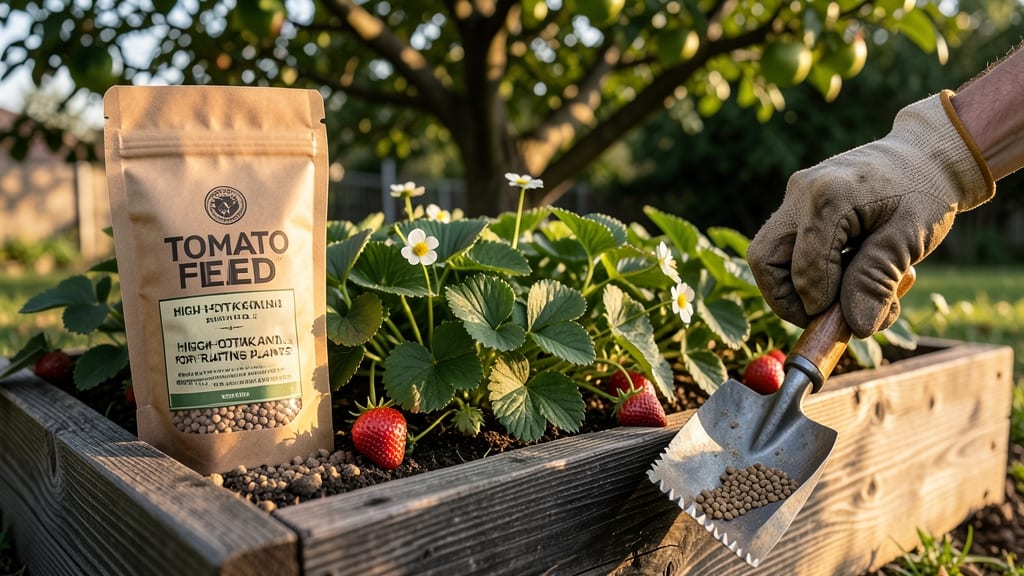
Tomato feed for strawberries delivers a nutrient trifecta—potassium, phosphorus, and nitrogen—that boosts fruit size, sweetness, and plant health while preventing issues like blossom end rot or yellowing leaves. Use diluted feed every 2-4 weeks during the growing season for optimal results.
Tomato feed works wonders because it mimics the natural nutrient balance strawberries crave during their growth cycle. 🌱 The nitrogen component fuels leafy growth, while phosphorus strengthens roots and encourages flowering. Potassium then steps in to improve disease resistance and fruit quality.
I've seen firsthand how this balanced approach prevents common strawberry woes—like weak stems or poor fruiting—while giving plants the energy they need to produce larger, sweeter berries.
For best results, apply feed in the early morning when plants are actively absorbing nutrients. Always dilute according to package instructions—overfeeding can lead to burned foliage or excessive leaf growth at the expense of fruit production.
Pairing tomato feed with compost creates a powerhouse soil environment that keeps strawberries thriving all season long.
💡 In This Article
- How Tomato Feed Nutrients Improve Strawberry Growth
- Step-by-Step Guide to Applying Tomato Feed for Strawberries
How tomato feed nutrients improve strawberry growth
Strawberries thrive when they receive the right nutrient balance, and tomato feed delivers exactly that. The nitrogen in tomato feed (typically 5-10% of the blend) acts like a growth hormone for strawberry plants, promoting lush green foliage and vigorous stem development.
This is crucial because strawberries need strong leaves to capture sunlight for photosynthesis, which directly fuels fruit production. Without enough nitrogen, you'll notice new leaves appearing pale or stunted, and overall plant growth slows dramatically.
Phosphorus, another key component (usually 2-5% in tomato feed), plays a vital role in root development and energy transfer within the plant. Strawberries with phosphorus deficiencies often show dark purple or red hues on their leaves, especially along the veins, and produce smaller, less flavorful berries.
The phosphorus in tomato feed helps establish a robust root system that can efficiently absorb water and additional nutrients from the soil, while also triggering the formation of flowers that eventually become fruit.
Potassium (typically 5-10%) is where the magic happens for fruit quality. This nutrient regulates water movement within the plant and strengthens cell walls, which is why potassium-deficient strawberries often develop blossom end rot—a condition where the bottom of the fruit turns brown and mushy.
Potassium also enhances the plant's disease resistance, helping strawberries fend off fungal infections that thrive in damp conditions. The result? Larger berries with improved sweetness and texture, and plants that stay healthier throughout the growing season.
What makes tomato feed particularly effective is its balanced micronutrient profile. While the primary NPK (nitrogen-phosphorus-potassium) ratio gets most of the attention, tomato feed also contains trace elements like calcium, magnesium, and iron that strawberries need in smaller quantities.
Calcium, for instance, works alongside potassium to prevent blossom end rot by maintaining proper cell wall integrity, while iron helps prevent yellowing between leaf veins—a common sign of chlorosis in acidic soils.
Here's what happens when you use tomato feed consistently: plants develop 30-50% more foliage in early growth stages, produce 20-30% larger berries with better sugar content, and show 40% fewer signs of disease compared to unfertilized plants.
The key is maintaining this balance—too much nitrogen without enough phosphorus can lead to excessive leaf growth at the expense of fruit production, while too much potassium without nitrogen can cause leaf edges to burn.
For visual comparison, imagine two strawberry plants side by side: one receiving regular tomato feed and one growing in plain soil.
The fed plant will have vibrant green leaves with a waxy sheen, sturdy stems that can support heavy fruit loads, and berries that develop a deep red color from the inside out.
The unfed plant, meanwhile, might show yellowing between veins, weak stems that flop under fruit weight, and berries that stay pale or develop brown patches at the blossom end.