
Planting
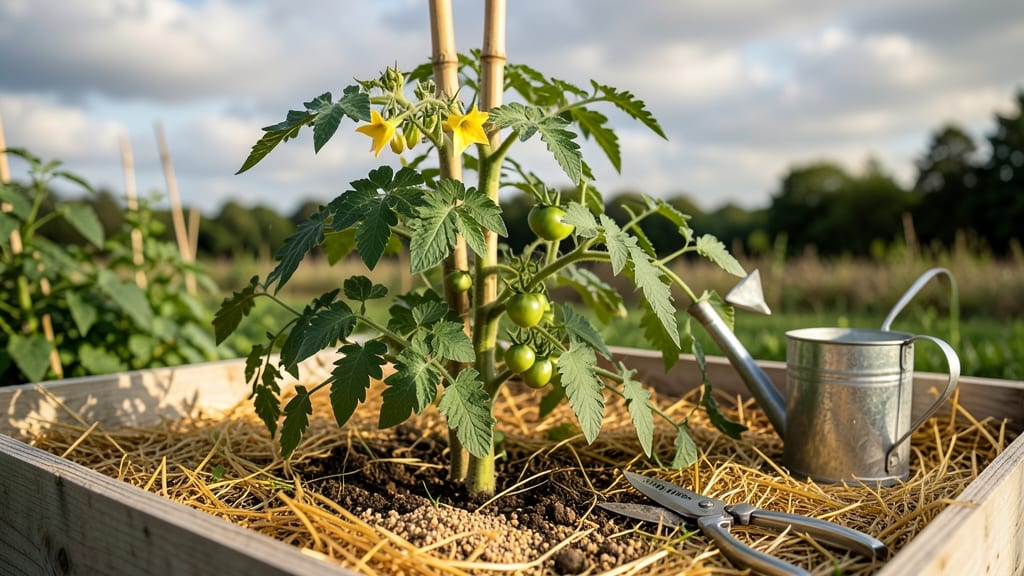
Boosting tomato plant growth starts with sunlight, soil, and water—three elements that turn average plants into explosive producers. 🌞 I’ve watched my own tomatoes go from struggling seedlings to towering vines bursting with fruit by mastering these basics, and the secret isn’t complicated: it’s about giving them exactly what they crave at each stage.
The right soil mix is your foundation—think fluffy, nutrient-rich, and well-draining. I swear by a blend of compost, aged manure, and a handful of balanced fertilizer at planting time, which gives roots the jumpstart they need.
Then, water deeply but infrequently: 1-2 inches per week keeps roots searching downward for moisture, which builds stronger stems and bigger yields.
Pruning and sunlight are the game-changers. Pinch off suckers (those little shoots between the stem and branches) to focus energy on fruit production, and stake or cage your plants early to prevent sprawl.
Six to eight hours of direct sun daily is non-negotiable—shady spots mean fewer tomatoes, no matter how much you fertilize.
Once you’ve got these basics locked in, the little hacks—like mulching to retain moisture, side-dressing with nitrogen-rich fertilizer mid-season, or even a strategic foliar spray—take your harvest from good to mind-blowing. The payoff? Plants that outperform store-bought varieties and keep producing until frost.
📚 In This Guide
- What you need
- Instructions
- Tips and common mistakes
- Wrapping up and next steps
What you need
- ● Tomato seeds or seedlings: Choose disease-resistant varieties like Roma, Cherry, or Beefsteak (6-12 plants, depending on space).
- ● High-quality potting mix or garden soil: 10-15 lbs (for containers) or amend native soil with compost (2-3 inches per planting area).
- ● Organic fertilizer: Balanced 10-10-10 or tomato-specific blend (e.g., Espoma Tomato-Tone; 1-2 lbs per 10 sq ft).
- ● Compost or worm castings: 2-3 cups per plant (for nutrient boost).
- ● Mulch (straw or grass clippings): 2-3 inches to retain moisture and suppress weeds.
- ● Garden trowels or transplanter: For digging holes (6-inch depth for seedlings).
- ● Watering can or hose with nozzle: 1-2 gallons per plant (adjust for drought).
- ● Pruning shears: For trimming suckers and dead leaves.
- ● Stakes or cages: 5-6 ft tall (1 per plant; bamboo or metal works).
- ○ pH tester (optional): Ideal soil pH: 6.0–6.8 (adjust with lime or sulfur if needed).
- ○ Drip irrigation kit (optional): Saves time and ensures consistent moisture.
- ● Sunlight access: 6–8+ hours of direct sun daily (south-facing spot or greenhouse).
- ● Warmth: Soil temp 60°F+ (use row covers if planting early).
- ● Space: 18–24 inches between plants; 3–4 ft between rows.
- ● Drainage: Avoid soggy soil—containers must have drainage holes!
Step-by-step guide to maximizing tomato growth
Here’s how to turn average tomato plants into vigorous, high-yielding powerhouses—no fancy equipment needed.
☀️ Step 1: Optimize Sunlight Exposure
Tomatoes crave full sun, meaning 8+ hours of direct sunlight daily. Place plants where they receive morning sun and afternoon light—evenings are gentler on leaves. I’ve seen plants bolt (stretch wildly) when moved to shadier spots midday, so position them permanently early. If your garden lacks ideal sunlight, supplement with a grow light for 12-14 hours/day during cloudy stretches.
Check for sunburn (yellowing or crispy leaves) by midday—this means too much direct sun. Provide afternoon shade with a lightweight shade cloth (30-50%) if temps exceed 90°F. Watch for leaf curling as a sign of stress; this is your cue to adjust placement.
💧 Step 2: Master Watering for Strong Roots
Deep, consistent watering is key—1-2 inches per week, delivered at the base. I water my tomatoes early morning to prevent fungal diseases like blight, which thrives in damp foliage. Use a soaker hose or drip irrigation to keep moisture 1-2 inches deep without wetting leaves. Overhead watering leads to splitting fruit and leaf diseases, so avoid it.
Let the top 2-3 inches of soil dry between waterings—this encourages deep root growth. You’ll know it’s time when leaves start slightly wilting (not crispy) in the afternoon. Mulch with straw or grass clippings to retain moisture and prevent soil-borne diseases from splashing onto stems.
🌱 Step 3: Feed for Explosive Growth
Start with balanced fertilizer (10-10-10) at planting, then switch to low-nitrogen, high-phosphorus (5-10-10) once flowers appear. I mix 1 tablespoon of fertilizer into the planting hole, then top-dress with compost tea every 2-3 weeks for a natural boost. Avoid over-fertilizing—yellow leaves or leaf curl often mean too much nitrogen.
Side-dress with aged manure or worm castings mid-season for a slow-release nutrient kick. Watch for dark green, glossy leaves—this signals healthy growth. If you see purple stems (common in tomatoes), it’s a sign of phosphorus deficiency, so switch to a bone meal supplement immediately.
✂️ Step 4: Prune for Airflow and Fruit Production
Prune suckers (the small shoots between the main stem and branches) weekly to redirect energy to fruit. I pinch them off with my fingers—no need for shears. Leave 1-2 main stems for determinate varieties (bush tomatoes) and 2-3 for indeterminate (vining types). This prevents crowded foliage, which traps moisture and invites disease.
Remove lower leaves up to 12 inches from the ground to improve airflow and prevent soil-borne pathogens. You’ll see faster ripening and fewer cracked tomatoes once airflow improves. Avoid heavy pruning late in the season—plants need foliage to photosynthesize for late fruit.
🪴 Step 5: Support and Monitor for Pests
Stake or cage tomatoes at planting to avoid disturbing roots later. I use bamboo stakes for single-stemmed plants and tomato cages for bush varieties. Secure the plant loosely—too-tight ties can girdle stems as they thicken. Check stakes weekly for looseness, especially after rain.
Watch for early signs of pests: aphids (curled leaves), hornworms (chewed holes), and blossom end rot (black bottoms on fruit). Treat aphids with neem oil, handpick hornworms, and prevent blossom end rot by maintaining even moisture and adding crushed eggshells for calcium. A healthy plant resists pests better than a stressed one.
Tips & tricks for maximizing tomato growth
Here's what I've learned from years of growing tomatoes—these simple strategies will help you avoid common pitfalls and get the most out of your plants.
Sunlight Strategy: For the 8+ hours of sunlight tomatoes need daily, position them where they get morning sun and afternoon light—this prevents the midday sunburn that can scorch leaves. If your garden has afternoon shade, consider using a lightweight shade cloth (30-50%) when temperatures exceed 90°F. I've seen plants recover from leaf curling when moved to slightly shadier spots midday, but don't wait until you notice stress—prevention is key. The 12-14 hours of grow light during cloudy stretches is especially important for containers or northern exposures where natural light is limited.
Watering Wisdom: The 1-2 inches of water per week should go directly to the soil, not the leaves. I use a soaker hose buried slightly in the soil to deliver water exactly where it's needed, preventing fungal diseases that thrive on damp foliage. That top 2-3 inches of dry soil between waterings is crucial—it trains roots to grow deeper, making your plants more drought-resistant. Mulching with straw or grass clippings helps maintain that moisture level while keeping soil-borne diseases from splashing onto stems during watering.
Fertilizer Timing: That initial 1 tablespoon of balanced fertilizer (10-10-10) in the planting hole gives plants a strong start, but switching to low-nitrogen, high-phosphorus (5-10-10) once flowers appear is what really boosts fruit production. I've noticed the biggest difference when I add compost tea every 2-3 weeks—it's like giving your plants a vitamin boost without the risk of over-fertilizing. Watch for those purple stems as an early warning sign of phosphorus deficiency, and respond quickly with bone meal to prevent stunted growth.
Pruning Precision: The weekly sucker removal might seem tedious, but it's what redirects energy from leaf growth to fruit production. I leave 1-2 main stems for bush varieties and 2-3 for vining types, which creates that perfect balance of foliage and fruit. That 12-inch clearance from the ground when removing lower leaves dramatically improves airflow—you'll see fewer cracked tomatoes and faster ripening once you establish this habit. Just remember not to overdo it late in the season when plants need all their leaves to photosynthesize for late fruit.
Pro Tips for Boost Tomato Plant Growth
- Here's what I've learned from years of growing tomatoes—these simple strategies will help you avoid common pitfalls a...
- Sunlight Strategy: For the 8+ hours of sunlight tomatoes need daily, position them where they get morning sun and aft...
- Watering Wisdom: The 1-2 inches of water per week should go directly to the soil, not the leaves. I use a soaker hose...
Frequently asked questions
Got questions about growing juicy, high-yield tomato plants? You’re not alone! Here are answers to the most common queries to keep your tomatoes thriving from seedling to harvest.
How often should I water my tomato plants to maximize growth?
Water tomato plants deeply 1-2 times per week (more in extreme heat). Aim for 1-1.5 inches of water per week, focusing on the soil base—not the leaves—to prevent disease. Morning watering is best to reduce evaporation and fungal risks. Pro tip: Use drip irrigation or soaker hoses to keep roots consistently moist without soggy soil.
Can I use coffee grounds or eggshells to boost tomato growth?
Both are nutrient powerhouses for tomatoes. Coffee grounds add nitrogen (for leafy growth) and improve soil acidity, while crushed eggshells supply calcium (preventing blossom-end rot). Mix 1-2 cups of grounds or crushed shells into the soil at planting or top-dress monthly. Bonus: They also deter pests like slugs!
When is the best time to prune tomato plants for bigger yields?
Prune indeterminate tomatoes (vining types) regularly—start when plants are 12-18 inches tall and remove suckers (side shoots in leaf axils). Determinate tomatoes (bush types) need minimal pruning to avoid stunting fruit production. Best time: Early morning on dry, sunny days to reduce disease risk. Stop pruning 6-8 weeks before harvest to let energy focus on fruit.
Why are my tomato leaves turning yellow, even with plenty of water?
Yellow leaves often signal nutrient deficiencies or overwatering. Check for:
- Nitrogen deficiency: Older leaves yellow first (add compost or fish emulsion).
- Overwatering: Roots suffocate (let soil dry slightly between waterings).
- Magnesium/iron issues: Yellow between veins (apply Epsom salt or chelated iron).
- Pests/disease: Spots or wilting (inspect undersides of leaves).
Adjust care based on the pattern—consistency is key!
What’s the fastest way to fix stunted tomato plant growth?
Revive slow-growing tomatoes with this 3-step fix:
- Check sunlight: Tomatoes need 6-8+ hours of direct sun daily. Move plants if shaded.
- Fertilize: Use a balanced 10-10-10 or tomato-specific fertilizer (half-strength) every 2-3 weeks.
- Loosen soil: Gently scratch the top 2 inches of soil to aerate roots and encourage growth.
If plants are still struggling, test soil pH (aim for 6.0-6.8) and adjust with lime or sulfur.
Wrapping up and next steps
Growing thriving tomato plants is all about patience, consistency, and a little green thumb love! 🌱 By mastering the right balance of sunlight, water, soil nutrition, and pruning techniques, you’ll be rewarded with a bountiful harvest that’ll make your neighbors jealous.
Remember, every plant has its quirks—observe, adjust, and celebrate the small wins along the way.
Now that you’re armed with the secrets to explosive growth, it’s time to roll up your sleeves and get planting! 🌿 Start with just one or two plants, track your progress, and soon you’ll be a tomato-growing pro. Happy gardening—your future salads (and bragging rights) are waiting!