
Vegetables
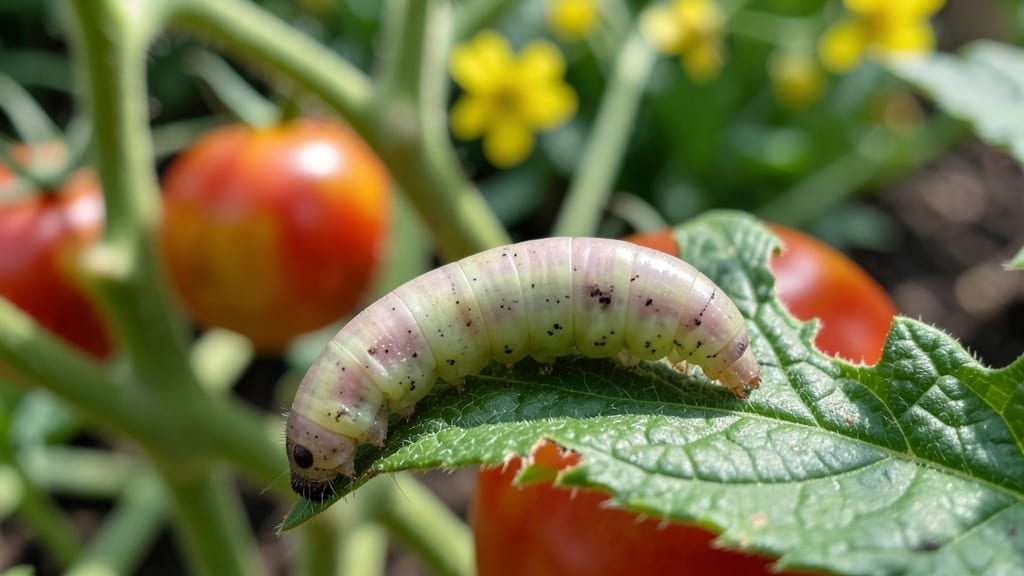
Finding tiny, squirming tomato fruitworm larvae in your harvest is the worst—until you learn these organic removal tricks that actually work. 🌱 I lost my first crop to these pests before discovering a three-step approach that keeps my plants thriving without chemicals.
The damage starts small: pinprick holes in fruit that grow into soft, mushy spots. These larvae hide deep inside tomatoes, making them nearly invisible until it’s too late. But once you know what to look for—chewed leaves, brown frass (poop) on fruit, and wilting vines—you can act fast.
With a few simple organic methods, you’ll stop new infestations cold. Handpicking larvae (yes, it’s gross but effective), using row covers early in the season, and introducing beneficial nematodes can turn your struggling plants around in just a few weeks.
The best part? These tricks work for peppers, eggplants, and even your basil too. No more ruined harvests—just healthy, productive plants all season long.
Root Causes Of Worm Infestations
Tomato fruitworm larvae—tiny but mighty pests—don’t just appear out of nowhere. Their presence is usually a sign of deeper issues in your garden ecosystem. Understanding these root causes is the first step to preventing and controlling them organically.
Let’s break down why these destructive larvae show up in your tomato plants.
Larvae thrive in cluttered, neglected gardens where organic matter accumulates. Overgrown weeds, fallen leaves, and plant residues create the perfect hiding spots for eggs and larvae. Here’s why it happens:
- Shelter for survival: Eggs laid by adult moths need a moist, shaded environment to hatch. Decaying plant material provides this ideal microclimate.
- Food source: Decomposing organic debris attracts beneficial insects, but it also unintentionally feeds larvae, giving them energy to grow.
- Overwintering grounds: Some larvae survive winter by burrowing into leaf litter or soil, emerging stronger in spring.
Actionable fix: Regularly clean up garden debris, especially around tomato plants. Remove fallen fruit, prune dead leaves, and mulch with straw instead of thick layers of organic matter.
Tomato fruitworms are drawn to soft, ripe, or injured fruit because it’s easier for them to penetrate and feed on. Here’s the science behind it:
- Chemical signals: Ripe tomatoes emit volatile organic compounds (VOCs) that attract adult moths for egg-laying. These same compounds weaken the fruit’s skin, making it easier for larvae to burrow in.
- Physical vulnerabilities: Cracks, bruises, or punctures from hail or birds create entry points for larvae, bypassing the plant’s natural defenses.
- Nutrient-rich target: Overripe fruit has higher sugar and moisture content, which larvae crave for rapid growth.
Actionable fix: Harvest tomatoes as soon as they ripen to avoid overripening. Use netting to protect fruit from birds and other physical damage. Remove any bruised or cracked tomatoes immediately.
Adult tomato fruitworms (often called hornworms or corn earworms) are nocturnal creatures, and their egg-laying habits directly impact larval infestations. Here’s how it works:
- Timing matters: Moths are most active at dusk and dawn, when temperatures are cooler and predators like bats and birds are less active. This gives them a window to lay eggs undetected.
- Targeting young plants: Eggs are often laid on the undersides of leaves or near flower clusters, where larvae can quickly access new growth.
- Weather dependence: Warm, humid nights (70–80°F) create ideal conditions for egg viability and hatching within 3–5 days.
Actionable fix: Inspect plants in the early morning or late evening to spot eggs (tiny, white, and oval-shaped). Use a flashlight to check the undersides of leaves. Consider installing a moth-proof light trap or yellow sticky traps to reduce adult populations.
Tomato fruitworms are more prevalent in warm, humid regions, and their life cycles accelerate in these conditions. Here’s why climate plays a role:
- Faster development: Larvae grow from egg to pupa in as little as 10–14 days in warm weather, compared to 3–4 weeks in cooler climates. This leads to multiple generations per season.
- Moth migration: Warm air currents can carry adult moths long distances, introducing new infestations to gardens that previously had none.
- Soil moisture retention: Humid conditions keep eggs and young larvae hydrated, increasing survival rates.
Actionable fix: Monitor weather forecasts and be proactive during peak seasons (late spring to early fall). Use row covers or organic sprays like Bacillus thuringiensis (Bt) during warm, humid periods to disrupt their life cycle.
Planting large blocks of tomatoes without diversity creates a buffet for fruitworms. Here’s why monocultures attract more pests:
- Abundant food source: A single crop type offers easy access to food for larvae, encouraging moths to lay more eggs in one area.
- Reduced natural predators: Diverse gardens support a wider range of beneficial insects (like parasitic wasps and ladybugs) that prey on fruitworm larvae.
- Limited plant defenses: Tomatoes in isolation have fewer chemical defenses compared to those grown alongside other plants that repel pests.
Actionable fix: Practice crop rotation and interplant tomatoes with pest-repelling companions like basil, marigolds, or nasturtiums. Avoid planting tomatoes in the same spot year after year.
Natural Ways to Remove & Prevent Worms
Discovering tomato fruitworm larvae munching on your prized plants can feel like a nightmare—but don’t panic! With the right organic strategies, you can eliminate these pests and protect your harvest without harsh chemicals.
Below, we break down targeted solutions based on the root causes, from early detection to long-term prevention. Let’s get your garden back in shape!
Act fast to minimize damage. Here’s how to spot and act on infestations early:
- 👀 Inspect leaves and fruit daily: Look for tiny white eggs (laid in clusters) on the undersides of leaves or on green tomatoes. Larvae will leave serrated holes or black frass (poop) inside fruit.
- 🕵️ Shake plants over a white tray: Gently shake tomato plants over a light-colored surface at dawn—larvae will drop off, making them easy to spot and squish.
- 🍅 Check ripening fruit: Slice open tomatoes to see if larvae have burrowed inside. Remove and destroy infested fruit immediately to stop the cycle.
Once you’ve identified the problem, use these chemical-free methods to evict the larvae:
🔪 Hand-Picking & Physical Barriers
For small gardens or early-stage infestations, manual removal is the most effective:
- 👨🍳 Pick larvae by hand:
- Wear gloves and inspect plants early in the morning when larvae are sluggish.
- Drop them into a bucket of soapy water (1 tbsp dish soap + 1 gallon water) to kill them instantly.
- 🛡️ Use row covers:
- Cover young tomato plants with fine mesh netting (like floating row covers) to block adult moths from laying eggs.
- Secure edges with soil or bricks to prevent moths from sneaking underneath.
- 🍅 Prune heavily damaged fruit:
- Cut off heavily infested tomatoes and dispose of them in sealed bags (not compost).
- Focus energy on unaffected fruit—healthy plants bounce back faster.
🌡️ Heat & Traps: Lure & Destroy
Trick the pests into exposing themselves with these clever traps:
- 💡 Pheromone traps:
- Hang commercial pheromone traps (like those for Helicoverpa zea) near your plants. Males are drawn in and trapped, reducing mating.
- Best placed 10–15 feet away from tomato plants for maximum effect.
- 🍎 Apple cider vinegar trap (DIY):
- Mix 1 part apple cider vinegar + 1 part water in a shallow dish.
- Add a drop of dish soap to break the surface tension. Moths are attracted to the scent but drown when they land.
- 🔥 Solarization (for soil-dwelling larvae):
- Cover infested soil with clear plastic for 4–6 weeks in hot sun. The trapped heat kills larvae and eggs.
- Works best in late spring or early summer when temps exceed 100°F (38°C).
🌿 Botanical & Microbial Sprays
For larger infestations, these sprays disrupt larvae without harming your plants:
- 💡 Bacillus thuringiensis (Bt):
- Spray Bt kurstaki (a natural bacteria) directly on leaves and fruit. It’s safe for humans and pets but deadly to caterpillars.
- Reapply every 7–10 days or after rain, as it breaks down in sunlight.
- 🌿 Neem oil spray:
- Mix 2 tbsp neem oil + 1 tsp mild soap + 1 quart water. Spray on both sides of leaves and fruit.
- Disrupts larvae feeding and egg-laying. Best applied at dusk to avoid harming bees.
- 🌿 Garlic & chili pepper spray (DIY):
- Blend 4 garlic cloves + 1 tbsp cayenne pepper + 1 quart water. Strain and spray on plants.
- Repel moths with the strong scent while disrupting larvae digestion.
Break the worm’s life cycle with these proactive strategies:
🌱 Plant Smart: Disrupt Their Habitat
- 🌿 Interplant with repellent herbs:
- Grow basil, marigolds, or dill near tomatoes—their scents confuse moths.
- Avoid planting near corn or cotton, which attract tomato fruitworm moths.
- 🕰️ Stagger planting times:
- Plant new tomato seedlings every 2–3 weeks so not all plants mature at once. Moths can’t keep up!
- 🍅 Choose resistant varieties:
- Opt for ‘Mountain Merit,’ ‘Celebrity,’ or ‘Roma’—these varieties are less appealing to fruitworms.
🌡️ Soil & Seasonal Care
- 🌱 Healthy soil = strong plants:
- Amend soil with compost and worm castings to boost plant resilience.
- Avoid over-fertilizing with nitrogen, which attracts more pests.
- 🌿 Clean up debris:
- Remove fallen leaves and fruit from the garden bed—these are prime hiding spots for larvae.
- Rotate crops yearly to starve out pests.
- 🌞 Timing is everything:
- Plant
Frequently asked questions
How do I know if my tomatoes have fruitworm larvae?
Look for tiny white eggs on leaf undersides or green tomatoes, serrated holes in fruit, or black frass (larval poop) inside tomatoes. Shake plants over a white tray at dawn—larvae will drop off. Slice open suspect tomatoes to check for squirming larvae.
Is handpicking larvae really effective?
Yes! Early morning is best when larvae are sluggish. Wear gloves and drop them into soapy water (1 tbsp dish soap + 1 gallon water). For small gardens, this method can eliminate 90%+ of larvae if done daily. Pair it with row covers for best results.
Can I use Bt spray on ripe tomatoes?
Yes, but apply it early in the morning when bees are less active. Bt kurstaki is safe for humans and pets but only works when larvae ingest it. Spray both leaf surfaces and fruit—reapply every 7-10 days or after rain. Harvest tomatoes within 24 hours of spraying for best results.
Why do I keep getting infestations even after treatment?
Larvae can survive in soil or debris between seasons. Try solarization (covering soil with plastic for 4-6 weeks in hot sun) or introduce beneficial nematodes. Also check for nearby corn/cotton fields—moths migrate from these crops. Rotate planting locations yearly to break their life cycle.
Are there any tomato varieties that resist fruitworms?
Yes! Varieties like 'Mountain Merit', 'Celebrity', and 'Roma' are less appealing. For extra protection, plant them with basil or marigolds—their scents naturally repel moths. Stagger planting times so not all plants mature simultaneously.