
Pests
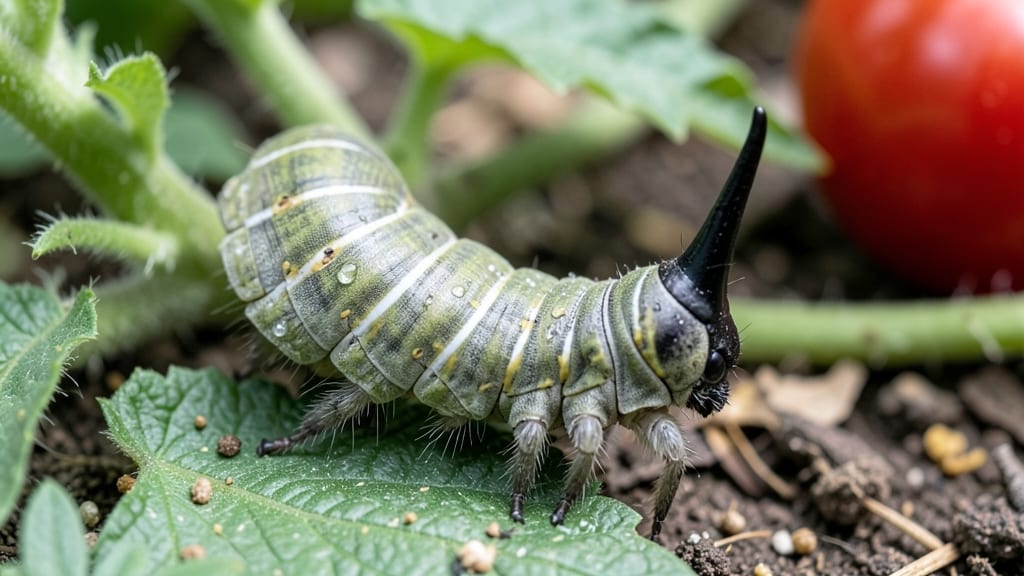
Your tomatoes could vanish overnight—the tomato horn caterpillar strikes fast, leaving behind skeletonized leaves and defoliated plants before you even notice. 🌱 I’ve lost entire vines to these striped bandits, but I’ve also learned how to outsmart them with simple, effective strategies that actually work.
The key is acting early: these caterpillars grow 2 inches in a single day, and by the time you spot them, they’re often too big to handpick. Organic sprays like Bacillus thuringiensis (Bt) target only caterpillars, while companion plants like basil and marigolds disrupt their life cycle.
Even better? Let nature help—parasitic wasps do most of the work for you if you give them a chance. Once you spot the first signs—chewed leaves, black droppings, or the caterpillars themselves—you’ll know exactly what to do. Your plants won’t just survive; they’ll thrive with fewer pests and more fruit.
The secret is consistency: check your plants every 2-3 days during peak season (June-August in most zones). This works for backyard gardens, containers, and even large-scale farms. No more helplessly watching your harvest disappear—just a few proactive steps to keep your tomatoes safe and productive all season.
📚 In This Guide
- What you need
- Instructions
- Tips and common mistakes
- Wrapping up and next steps
What you need
- ○ Gloves (heavy-duty) – 1 pair (to protect against spines and pesticides if used). Optional: Long sleeves for extra defense.
- ○ Pruning shears or scissors – 1 pair (for trimming infested leaves or caterpillars). Optional: A small hand trowel for digging.
- ○ Bucket or jar with lid – 1 (for collecting caterpillars or soapy water disposal). Optional: A spray bottle for targeted treatments.
- ● Soap (mild dish soap) or neem oil – 1 bottle (16–32 oz). Note: Avoid harsh chemicals near edible plants.
- ● Water (for soapy solution) – 1 gallon (or as needed).
- ○ Flashlight (optional but helpful) – 1 (for nighttime inspections when caterpillars are most active).
- ○ Garden twine or row covers – 1 roll (to protect young tomato plants). Optional: Floating row covers for larger areas.
- ○ Beneficial nematodes (optional) – 1–2 lbs (for organic soil treatment). Best for: Preventative care in high-risk areas.
- ● Sticky traps (yellow or blue) – 2–4 traps (to monitor adult moth populations).
- ● Check the weather forecast – Avoid treating plants if rain is expected within 24 hours (soapy solutions wash off easily!).
- ● Read product labels (if using pesticides) – Ensure compatibility with edible crops and follow reapplication guidelines.
- ○ Wear eye protection – If handling large caterpillars or using sprays (optional but recommended).
Step-by-Step guide to eliminating tomato hornworms
Here's how I've saved my tomato plants from total destruction—without toxic sprays.
🔍 Step 1: Identify and Confirm the Infestation
Tomato hornworms are masters of disguise—until you spot their damage. Look for large, green caterpillars with white diagonal stripes and a distinctive horn-like projection at the tail. They hide on the undersides of leaves or blend into foliage during the day. Check plants in the late afternoon when they're less active.
You'll also notice skeletonized leaves (just veins remain) and missing tomato fruits with ragged bite marks. A single caterpillar can devour a 2-inch tomato in under 24 hours, so act fast. I always inspect the top and undersides of leaves—that's where they love to hide.
✂️ Step 2: Manual Removal (The Most Effective Method)
Grab a pair of tweezers or gardening gloves and pick off the caterpillars by hand. Drop them into a bucket of soapy water to kill them instantly. Check every leaf, especially near the new growth and flower clusters, where they lay their eggs. I do this twice daily during peak season—morning and evening—for 5-7 days to break their life cycle.
Don't crush them on the plant—juice from their bodies can attract more pests. If you find small green eggs (about the size of a pinhead), scrape them off with your fingernail and drop them into soapy water too. These eggs hatch in 3-5 days, so early detection is key.
🌿 Step 3: Introduce Natural Predators
Ladybugs, lacewings, and parasitic wasps are the hornworm's natural enemies. Purchase beneficial insect releases from a garden center and release them near your tomato plants at dusk, when they're most active. I've seen lacewing larvae devour a hornworm in under 10 minutes—it's fascinating to watch.
Plant dill, fennel, or parsley nearby to attract these predators. They thrive in shady, moist environments, so keep a small patch of these herbs near your tomatoes. Avoid pesticides—even organic ones—since they'll kill the beneficial insects too. This method takes 7-10 days to show results but provides long-term control.
💧 Step 4: Use Organic Sprays as a Last Resort
If the infestation is severe, mix 1 tablespoon of dish soap with 1 quart of water in a spray bottle. Spray the solution directly on the caterpillars—it disrupts their protective coating and suffocates them. Apply in the early morning so the plants have time to dry before evening dew forms. Reapply every 3-4 days until the caterpillars are gone.
Never use this spray on flowering plants, as it can harm bees. I also avoid neem oil—it's ineffective against hornworms and can harm beneficial insects. Instead, focus on manual removal and natural predators for the best results.
🌱 Step 5: Prevent Future Infestations
Remove all tomato plant debris at the end of the season—burn or compost it in a sealed bin—to eliminate overwintering eggs. Plant basil or marigolds nearby, as their scent repels hornworms. I also rotate my tomato varieties yearly to disrupt the caterpillars' feeding patterns. Healthy plants are less appealing to pests, so fertilize with compost and ensure 6+ hours of sunlight daily.
Check your plants weekly during peak season (June-August in most climates). Early detection is the best defense. If you see even one caterpillar, act immediately—one can turn into 20 in a week. With consistent monitoring and these methods, I've kept my tomato plants thriving for years.
Tips & tricks for eliminating tomato hornworms
These targeted strategies will help you tackle hornworm infestations with precision and effectiveness.
Timing is Everything: The late afternoon inspection window in Step 1 is crucial because hornworms are less active then, making them easier to spot. I've found that checking at 4:00-5:00 PM consistently catches them when they're most vulnerable. If you miss them during the day, they'll blend into the foliage perfectly—this is when they're most likely to be visible but still sluggish.
Manual Removal Technique: When picking caterpillars in Step 2, use a small paintbrush or cotton swab to gently nudge them off leaves before dropping them into soapy water. This prevents them from wriggling away or damaging the plant further. The 5-7 day commitment to twice-daily checks is non-negotiable—hornworms lay 200-300 eggs each, and even one missed caterpillar can restart the cycle.
Predator Placement Strategy: For Step 3, release beneficial insects in the upper canopy of your tomato plants where hornworms hide. I've noticed lacewing larvae are most effective when placed near new growth areas—this is where hornworms lay their eggs. The 7-10 day wait for results might seem long, but this gives predators time to establish their populations and hunt effectively.
Spray Application Precision: In Step 4, when using the soap spray, focus on the undersides of leaves and flower clusters—these are the hornworm hotspots. I've found that adding 1 teaspoon of vegetable oil to the soap solution (optional) helps it cling better to the caterpillars' protective coating. Always test the spray on a small leaf first to ensure it won't harm your plants.
Pro Tips for Tomato Horn Caterpillar
- These targeted strategies will help you tackle hornworm infestations with precision and effectiveness.
- Timing is Everything: The late afternoon inspection window in Step 1 is crucial because hornworms are less active then, making them easier to spot.
- Manual Removal Technique: When picking caterpillars in Step 2, use a small paintbrush or cotton swab to gently nudge them off leaves before dropping them into soapy water.
Frequently asked questions
Got questions about tomato horn caterpillars?
You’re not alone—these fuzzy invaders can leave gardeners scratching their heads. Here are answers to the most common concerns, so you can tackle them like a pro.
What do tomato horn caterpillars look like, and how can I tell if my plants are infested?
These caterpillars are easy to spot: they’re covered in bright orange and black spines (like a tiny porcupine) and grow up to 4 inches long. Look for chewed leaves, holes in fruit, or black droppings on your tomato plants. If you see them, act fast—they multiply quickly!
How fast do tomato horn caterpillars grow, and when is peak season for them?
These caterpillars are speed demons! They can grow from egg to full-size in just 2–3 weeks during warm weather. Peak season is typically late spring to early fall, but they thrive in hot climates year-round. Monitor your garden closely during these months to catch infestations early.
Are tomato horn caterpillars dangerous to humans or pets?
Yes—their spines contain venomous barbs that can cause painful stings if touched. Handling them (even accidentally) may lead to redness, swelling, or itching. Keep pets and kids away from infested plants, and wear gloves when removing them. If stung, wash the area with soap and water.
What’s the best natural way to get rid of tomato horn caterpillars without chemicals?
Try these eco-friendly fixes:
- Handpick them (use tongs or wear gloves!) and drop them in soapy water.
- Apply neem oil or Bacillus thuringiensis (Bt) spray—both are caterpillar killers but safe for plants.
- Encourage parasitic wasps (their natural predators) by planting dill or fennel nearby.
For severe infestations, row covers can block adult moths from laying eggs.
Will tomato horn caterpillars kill my tomato plants, or is the damage usually cosmetic?
While they won’t kill healthy plants, heavy infestations can defoliate leaves and ruin fruit, reducing yields. Young plants are most vulnerable. Act quickly—remove caterpillars within 24–48 hours to prevent widespread damage. Strong plants often bounce back with proper care!
Wrapping up and next steps
Armed with the right knowledge, you can now tackle tomato horn caterpillars like a pro! 🌱 From handpicking to organic sprays, these strategies will help protect your garden without harming the environment. Remember, consistency is key—monitor your plants regularly and act fast at the first sign of trouble.
Ready to take action? Start by inspecting your garden today and choose the method that fits your style. Your thriving tomato plants are waiting—go save them! 🚀