
Pests
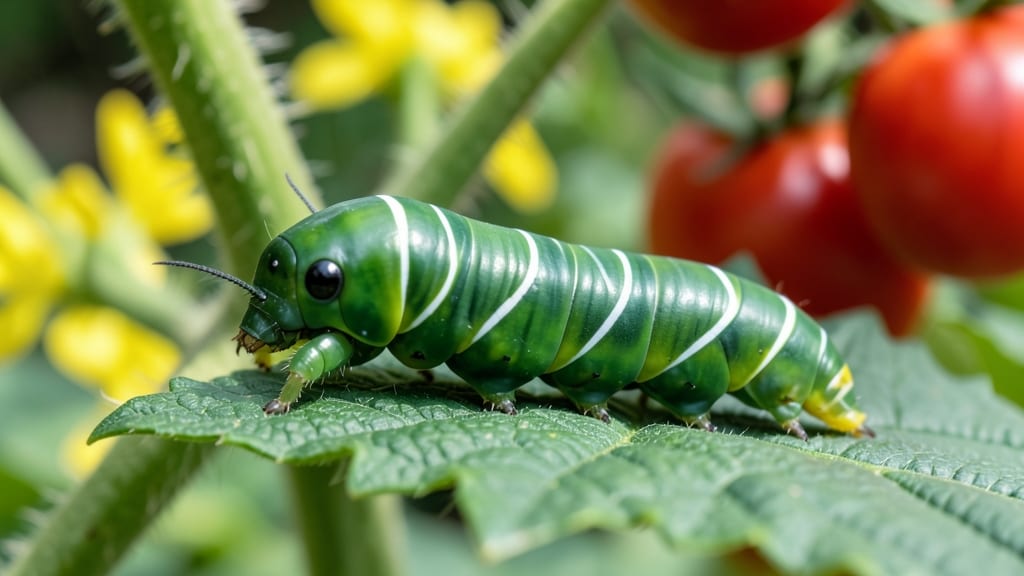
The tomato hornworm caterpillar diet includes a surprisingly wide range of plants—tomatoes, peppers, eggplants, and even potatoes—all of which they devour faster than you can say "organic pest control." 🌱 These striped caterpillars aren't picky eaters; they feast on your garden like it's their last meal.
Understanding their diet is the first step to stopping them before they strip your garden bare.
These hungry caterpillars start as tiny eggs laid on the underside of leaves, then transform into voracious eaters within days. By the time you spot them, they're already halfway through your tomato plants.
The good news? Their love for specific host plants gives us natural ways to monitor and control them without harsh chemicals.
You'll learn to spot their favorite plants, recognize their damage early, and use simple organic methods to keep them in check. No more losing your entire harvest to these striped bandits—just a few proactive steps to protect what you've worked so hard to grow.
From manual removal to companion planting, these strategies work whether you're growing in containers or a full-size garden. Let's turn the tide on these caterpillars and keep your plants thriving all season long.
Root Causes Of Dietary Issues
Tomato hornworm caterpillars (Manduca sexta) are voracious eaters, but their diet isn’t always as straightforward as munching on tomato leaves. When their nutritional needs aren’t met—or when their environment goes awry—they may struggle to thrive.
Let’s break down the key reasons why dietary problems arise for these caterpillars, so you can address them effectively.
The tomato hornworm’s diet is highly specialized—they rely on specific host plants packed with the right nutrients. Without access to the right greens, they may refuse food, grow slowly, or even die.
- Lack of Solanaceae family plants: These caterpillars prefer plants like tomatoes, peppers, eggplants, and tobacco. If their diet lacks these, they won’t get enough alkaloids (like nicotine analogs), which act as natural growth stimulants and pest deterrents.
- Low protein content: Young caterpillars need high-protein leaves (especially in the first instar stages). Older leaves or overripe tomatoes have less nitrogen, leading to stunted growth.
- Deficient secondary metabolites: Plants like tomatoes contain glycoalkaloids (e.g., tomatine), which help regulate digestion and deter parasites. Without them, caterpillars may suffer from poor gut health.
Actionable fix: Always provide fresh, young leaves from Solanaceae plants. Rotate between tomato, pepper, and eggplant to ensure a balanced intake of alkaloids and proteins.
Even if the right plants are available, leaf quality can make or break a tomato hornworm’s diet. Contaminants, pesticides, or environmental stress can turn an otherwise nutritious meal into a health hazard.
- Pesticide residue: Neonicotinoids, pyrethroids, and other synthetic pesticides can kill caterpillars instantly or cause long-term digestive issues. Even "organic" sprays (like neem oil in high concentrations) may disrupt their feeding.
- Fungal or bacterial infections: Moldy or diseased leaves (e.g., from Fusarium or Phytophthora) can introduce harmful pathogens, leading to regurgitation, lethargy, or death.
- Overripe or wilted leaves: Soft, mushy, or fermenting leaves lack structural integrity and essential nutrients. Caterpillars may reject them or struggle to digest them.
- Soil-borne contaminants: If leaves are harvested from soil treated with heavy metals (e.g., copper, lead) or excessive fertilizers, they can cause toxic buildup in the caterpillar’s system.
Actionable fix:
- Use organic, pesticide-free plants (grow your own if possible).
- Inspect leaves for mold, spots, or slimy textures before feeding.
- Harvest leaves from healthy, disease-free plants in the morning (when nutrient levels are highest).
- Avoid leaves from hydroponic or heavily fertilized soils unless tested for contaminants.
Tomato hornworms aren’t alone in their ecosystem—they face constant threats from parasitoid wasps, braconid flies, and fungal infections. When these pressures disrupt their feeding, it can lead to malnutrition, stress, or premature death.
- Braconid wasp (Cotesia congregata): This parasite lays eggs inside the caterpillar, causing internal damage and reducing feeding efficiency. Infested caterpillars may stop eating entirely or grow abnormally.
- Nuclear polyhedrosis virus (NPV): A common baculovirus that turns caterpillars lethargic and pale, leading to severe weight loss and eventual liquefaction.
- Competition with other herbivores: If aphids, beetles, or slugs are also feeding on the same plants, the leaves may become overgrazed or damaged, leaving little nutritious food for hornworms.
Actionable fix:
- Isolate caterpillars early to prevent parasitoid wasps from finding them.
- Quarantine new plants or leaves for 24–48 hours before introducing them to your colony.
- Remove sick or dying caterpillars immediately to prevent viral spread.
- Use row covers or mesh screens to protect host plants from other pests.
Tomato hornworms are ectothermic, meaning their metabolism and feeding behavior are heavily influenced by temperature and humidity. If conditions are off, they may refuse food, digest poorly, or enter dormancy.
- Too cold (<60°F/15°C): Caterpillars become lethargic, move slowly, and eat very little. Their digestive enzymes work poorly in cold temps, leading to poor nutrient absorption.
- Too hot (>90°F/32°C): High temperatures can cause heat stress, leading to excessive water loss and dehydration. They may stop feeding to conserve energy.
- Low humidity (<40%): Dry conditions cause desiccation, making leaves tough and difficult to digest. Caterpillars may chew but not swallow properly.
- Fluctuating conditions: Sudden drops or spikes in temp/humidity can disrupt molting, causing caterpillars to reject food until they stabilize.
Actionable fix:
- Maintain a consistent temperature between 75–85°F (24–29°C) for optimal feeding.
- Use a humidifier or misting system to keep humidity at 50–70%.
- Avoid placing enclosures near windows, AC vents, or heaters.
- Provide shade and water droplets on leaves to help with hydration.
By understanding these core causes, you can create an environment where tomato hornworms thrive—not just survive. Next, we’ll explore how to optimize their diet for maximum growth and health.
Fixing Dietary Imbalances in Your Garden
---
If your tomato hornworms are thriving but your plants aren’t—or if you’re noticing stunted growth, poor pupation rates, or weak moths—it’s time to rebalance their diet.
The key is understanding the root cause and applying targeted fixes. Below, we break down common issues and practical solutions, from quick tweaks to long-term strategies.
---
If your caterpillars are munching exclusively on tomatoes (or another single plant), they’re missing critical nutrients like calcium, nitrogen, and varied phytonutrients.
#### 🍳 How to Fix It - Rotate their menu: Introduce secondary host plants like dill, fennel, parsley, or even basil. These add fiber, minerals, and diverse compounds that support growth. - Supplement with greens: Offer chopped collard greens, spinach, or Swiss chard as side dishes.
These are nutrient-dense and help prevent deficiencies. - Dust with calcium: Sprinkle crushed eggshells or calcium carbonate on leaves to boost skeletal development (especially for pupation).
💡 Pro Tip: If you’re hand-rearing caterpillars, mix finely chopped herbs into their tomato leaves—this mimics a natural, varied diet.
---
Even with the right plants, hornworms may struggle to absorb nutrients if their environment is off. Soil quality, humidity, and even leaf tannins can block uptake.
#### 👨🍳 How to Fix It - Boost soil health: Amend garden beds with compost or worm castings to enrich tomato plants with nitrogen and trace minerals. - Mist leaves regularly: Hornworms need high humidity (60-80%) to digest food efficiently.
Use a spray bottle to keep foliage damp, especially in dry climates. - Avoid over-ripe tomatoes: Green, firm tomatoes are more nutrient-dense than mushy or overripe ones. Pick slightly underripe fruit for optimal feeding.
🌡️ Watch For: Wilting or yellowing leaves on tomato plants—this can signal nutrient deficiencies (like magnesium or potassium) that trickle down to the caterpillars.
---
If your caterpillars are growing slowly or struggling to form chrysalises, they’re likely protein-deficient or stressed. This often happens in late-season gardens when host plants decline.
#### 🔪 How to Fix It - Add protein sources: Offer chopped mealworms or fish flakes (sparingly) as a supplement.
These provide extra protein for rapid growth stages. - Extend the growing season: Use row covers or greenhouses to keep tomato plants producing until caterpillars reach full size. - Create a pupation station: Provide a shady, sheltered spot with twigs or a small container filled with soil.
Hornworms need a stable, hidden place to form chrysalises.
✨ Emergency Fix: If caterpillars are starving, hand-feed them with a blenderized mix of tomato leaves, spinach, and a pinch of calcium using a dropper. Do this only as a last resort!
---
Once you’ve corrected dietary issues, keep your garden a hornworm paradise with these habits:
- 📊 Plant companion crops: Grow basil, marigolds, or nasturtiums alongside tomatoes to attract beneficial insects and deter pests while adding variety.
- 💪 Monitor plant health: Prune yellow or diseased leaves immediately—they harbor fewer nutrients and may spread pathogens.
- 🎯 Rotate crops annually: Avoid planting tomatoes (or other nightshades) in the same spot every year to prevent soil depletion.
- 🌿 Keep a "snack tray": Set aside a small patch of dill, parsley, or fennel just for hornworms to graze on when tomatoes are scarce.
With these adjustments, your tomato hornworms will grow faster, pupate successfully, and emerge as healthy moths. A balanced diet isn’t just about what they eat—it’s about how they eat it!
Frequently asked questions
What plants can tomato hornworms eat besides tomatoes?
While tomatoes are their favorite, these caterpillars also devour peppers, eggplants, potatoes, and tobacco plants. They’ll even munch on dill, fennel, and parsley if tomatoes aren’t available. For gardeners, this means protecting all nightshade family plants from these hungry striped bandits.
Can tomato hornworms survive on just one type of plant?
They can survive, but their growth will be slower and weaker. For optimal development, they need a mix of tomatoes, peppers, and greens like spinach or collards. This variety ensures they get all the nutrients they need for healthy pupation and strong moth emergence.
How do I know if my caterpillars are getting enough to eat?
Healthy hornworms should be bright green, growing rapidly, and molting every 5-7 days. If they’re small for their age, sluggish, or pale, they’re likely undernourished. Check for fresh leaves on their host plants and supplement with greens if needed.
Will tomato hornworms eat my basil or other herbs?
They’ll usually avoid basil, but they might nibble on parsley, dill, or fennel if desperate. These herbs can actually serve as a nutrient supplement when tomatoes are scarce. Just don’t expect them to replace tomatoes as their main food source.
Can I raise tomato hornworms indoors without a garden?
Yes! You can grow container tomatoes, peppers, or eggplants indoors under grow lights. Just keep the plants healthy and pest-free. For extra nutrition, add store-bought organic greens like spinach or kale. Maintain 75-85°F and 50-70% humidity for best results.