
Vegetables
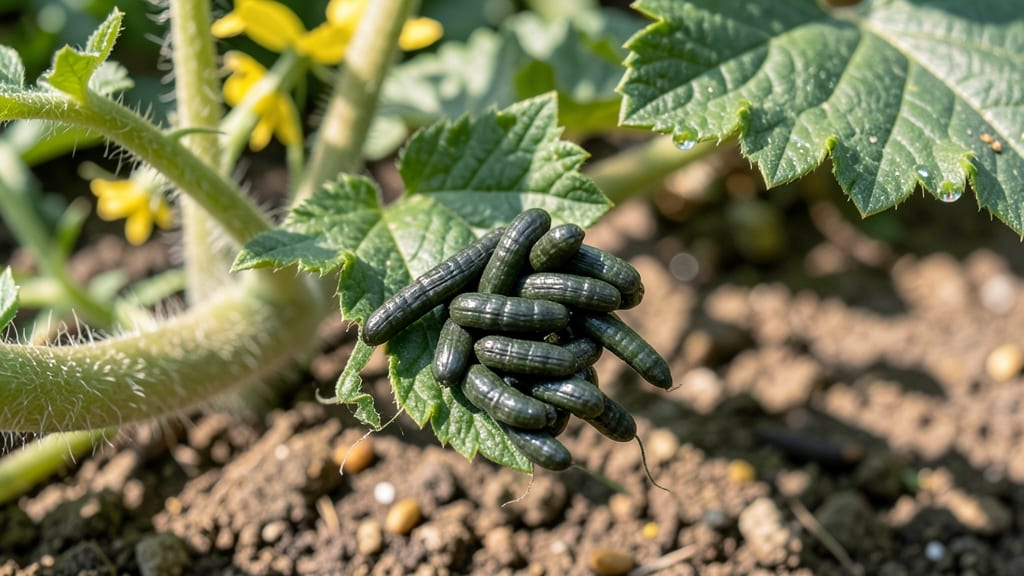
Tomato hornworm poop might look like garden trash, but it’s actually a nutrient goldmine. 🌱 I used to toss those black droppings, until I realized they’re packed with nitrogen—free fertilizer that feeds my plants while I handle the real problem: the hornworms themselves.
The key is recognizing the signs: tiny black specks on leaves, chewed stems, and those massive green caterpillars lurking under foliage. Instead of panicking, I harvest the frass (that’s the fancy term for insect poop) and sprinkle it around tomato bases—it breaks down fast and gives plants a quick boost.
You’ll also learn how to control hornworms naturally, without chemicals. Handpicking works, but I’ve had better luck with parasitic wasps and neem oil sprays. The goal is to keep your tomatoes thriving while turning a pest problem into a soil upgrade. No more wasted droppings—just a smarter garden.
Here’s how to make it work for you.
The Real Culprits Behind Droppings
If you’ve ever spotted dark, cylindrical droppings near your tomato plants, you’re likely dealing with the aftermath of a Manduca sexta—better known as the tomato hornworm. But why does this happen? The answer lies in the hornworm’s biology, diet, and life cycle.
Understanding these factors helps gardeners prepare and even turn the problem into an advantage. Here’s a breakdown of the key reasons behind those telltale droppings.
The most obvious reason for finding tomato hornworm poop is the presence of the caterpillars themselves. These voracious eaters thrive in gardens rich in tomato plants, basil, and other nightshade family members.
A single hornworm can devour an entire tomato leaf overnight, leaving behind a trail of droppings as it feeds. Since they’re solitary hunters (not social like some pests), each worm operates independently, leading to scattered droppings rather than concentrated piles.
Why it matters: If you’re seeing droppings frequently, it’s a sign that hornworms are actively feeding—and likely multiplying. Females lay 2,000–4,000 eggs in a season, so a few droppings today could mean a full-blown infestation tomorrow if left unchecked.
Tomato hornworms are specialized feeders, meaning they prefer plants packed with nitrogen and other nutrients. When they consume tomato leaves, stems, and even flowers, their digestive systems process these nutrients rapidly. The result? Frequent, nutrient-rich droppings that are darker and more concentrated than those of other garden pests.
Key nutrients in their diet:
- Nitrogen (from leaf proteins) → Speeds up droppings
- Potassium (from plant sap) → Makes droppings sticky
- Trace minerals (from soil uptake) → Adds to fertilizer value
This high-nutrient diet is why their poop is so effective as a natural fertilizer—but it’s also why they produce so much of it.
Tomato hornworms are nocturnal, meaning they do most of their feeding under the cover of darkness. During the day, they hide among leaves or burrow into soil, only emerging at night to chow down.
This behavior explains why you might miss the actual caterpillars but still find their droppings in the morning.
What to watch for:
- Droppings near chewed leaves (signs of nighttime feeding)
- Silken fecal trails on stems (hornworms leave a slimy path)
- Droppings clustered near plant bases (where they retreat)
If you’re spotting droppings but no worms, check the undersides of leaves at dusk—that’s when they’re most active.
Hornworms love warmth and humidity, which accelerates their metabolism—and thus, their droppings. In hot, muggy climates (or greenhouses), they:
- Eat more frequently (faster digestion = more waste)
- Grow faster (reaching full size in ~6 weeks vs. 8+)
- Produce larger droppings (due to increased food intake)
If your garden is a hornworm paradise (think: Southern U.S. summers or well-watered containers), expect more droppings, faster.
Young hornworms have few natural enemies early in their life cycle. While adult hornworms face threats from birds, wasps, and parasites, tiny caterpillars are often ignored until they grow large enough to notice.
This gives them a head start in population growth—and more time to produce droppings before predators catch up.
Predators that do target hornworms:
- 🐝 Parasitic wasps (lay eggs inside hornworms)
- 🦋 Braconid wasps (slowly kill caterpillars)
- 🐦 Birds (eat larger, exposed hornworms)
If you’re seeing lots of droppings with few predators, it’s a sign the hornworm population is still in its unchecked growth phase.
Ironically, rich garden soil can worsen the hornworm problem. If your tomato plants are overwatered or over-fertilized, they grow softer, more tender leaves—perfect for hungry hornworms. The caterpillars prefer lush, fast-growing plants, which they can strip down even quicker, leading to more frequent droppings.
How to break the cycle:
- Let soil dry slightly between waterings (hornworms hate stressing plants)
- Avoid nitrogen-heavy fertilizers (use balanced 10-10-10 instead)
- Prune damaged leaves to reduce hornworm food sources
Drier, slightly stressed plants are less appealing to hornworms—and produce fewer droppings as a result.
Quick Fixes for Garden Mess
Got a sudden invasion of tomato hornworm poop turning your garden into a greenish-brown nightmare? Don’t panic—this is actually a sign your plants are thriving! But if the sight (or smell) is too much, here’s how to manage it fast while keeping your garden healthy and productive.
If the droppings are overwhelming or you’re dealing with a full-blown hornworm party, start by eliminating the source before the poop piles up further.
- 👨🍳 Handpick the Hornworms - When? Early morning or late evening when they’re sluggish (they’re less likely to squirt you with their acidic blood!). - How? Wear gloves and inspect leaves, especially the undersides.
Grab them by the thorax (the thick middle section) and drop them into soapy water to kill them instantly. - Pro Tip: 💡 Check your plants every 2-3 days—hornworms grow fast and can devour a tomato plant in days!
- 🍳 Use a Shop Vac (For Heavy Infestations)
- If your garden is a poop-covered zone, a shop vac with a hose attachment can suck up droppings and caterpillars in seconds. Just empty the debris far from your garden to avoid spreading eggs.
Instead of fighting the droppings, harness their benefits—tomato hornworm poop is nitrogen-rich and acts like a slow-release fertilizer.
- 🥗 Compost It Immediately - Why? The poop breaks down quickly and adds nutrients to your soil. Just mix it into your compost bin or directly into garden beds. - How? Scrape droppings into a bucket, then dump into compost.
If you have a worm bin, they’ll love it too! - ⚠️ Warning: Don’t let it pile up on plants—it can attract fruit flies or mold if too concentrated.
- 🌡️ Make Hornworm Poop Tea (Liquid Gold for Plants) - Recipe: Fill a bucket with water, add a handful of droppings, and let it steep for 24-48 hours.
Strain and dilute (1:10 ratio with water) before applying to soil. - Best For: Tomato plants, peppers, and other heavy feeders. Use every 2-3 weeks during growing season.
Stop the poop before it starts with these low-effort, high-impact strategies.
- 🔪 Introduce Natural Predators (Free Cleanup Crew!) - Hornworms have built-in enemies that’ll keep their numbers in check: - 🐞 Parasitic Wasps (like Cotesia congregata) lay eggs inside hornworms—they’ll eventually turn into mummies.
Leave some hornworms behind! - 🦋 Praying Mantises & Lacewings eat hornworm eggs and young caterpillars. - 🐸 Frogs & Birds snack on them too—plant frog-friendly areas with shallow water sources.
- 🌿 Plant Companion Flowers (Confuse the Hornworms!)
- Hornworms hate strong-smelling herbs and flowers. Interplant your tomatoes with:
- 🌼 Basil, Marigolds, or Dill (mask tomato scents)
- 🌿 Nasturtiums (trap hornworms away from your tomatoes)
- Bonus: These plants also repel other pests like aphids and whiteflies.
- Hornworms hate strong-smelling herbs and flowers. Interplant your tomatoes with:
- 🛡️ Use Row Covers Early (Block Eggs Before They Hatch)
- If you spot hornworms early, cover young tomato plants with floating row covers (lightweight fabric that lets light and water through).
- When to Remove? Only when flowers appear (hornworms don’t bother blooms, but you’ll want bees for pollination!).
- 🌙 Disrupt Their Life Cycle (Egg Hunting!)
- Hornworm eggs are tiny and pale yellow-green. Check the undersides of leaves every few days and crush or scrape them off.
- 💡 Pro Tip: Use a magnifying glass—some eggs are nearly invisible!
Keep your garden hornworm-poop-free with this simple routine:
| Time | Task | Why? |
|---|---|---|
| Spring (Planting) | Apply row covers or plant companions | Prevents egg laying |
| Early Summer | Handpick weekly + introduce predators | Stops caterpillar growth |
| Mid-Summer | Compost droppings or make tea | Recycle nutrients |
| Fall (Cleanup) | Remove old plants + till soil | Kills overwintering eggs |
Final Thought: 🌱 Instead of seeing tomato hornworm poop as a nuisance, think of it as free fertilizer—just manage it smartly! With these fixes, you’ll have healthier plants, fewer messes, and a garden that’s thriving (not just surviving).
Frequently asked questions
Why does tomato hornworm poop look different from other insect droppings?
Tomato hornworm frass (poop) is dark greenish-black, cylindrical, and about 1/4-inch long—unlike aphid droppings (honeydew) or beetle droppings (small, granular). The color comes from their high-nitrogen diet of tomato leaves. Look for these droppings clustered near chewed leaves or along stems where hornworms hide.
Is it safe to use tomato hornworm poop as fertilizer on edible plants?
Yes! Their droppings are nitrogen-rich and break down quickly, making them safe for edible plants like tomatoes and peppers. Just compost it first or make a diluted "poop tea" to avoid attracting fruit flies. Avoid applying directly to leaves to prevent mold.
How do I tell if my tomato plants have hornworms vs. other pests?
Hornworms leave distinct signs: large, irregular holes in leaves (not the tiny bites of aphids), droppings near damage, and sometimes a white, silken trail where they move. Check leaf undersides at dusk—they’re nocturnal! If you see 3-inch green caterpillars with white stripes, that’s your culprit.
Can I compost tomato hornworm poop along with other garden waste?
Their droppings compost faster than most organic matter due to high nitrogen content. Mix them into your compost pile or bin—they’ll help heat up the pile and speed decomposition. Just avoid overloading with too many droppings at once to maintain balance.
What’s the fastest way to stop hornworms from producing more poop?
Handpick them daily (especially in the morning when they’re sluggish) and drop them in soapy water. For prevention, introduce parasitic wasps (like Cotesia congregata)—they’ll turn hornworms into "mummies" within days. Avoid chemical sprays, as they harm beneficial insects too.