
Vegetables
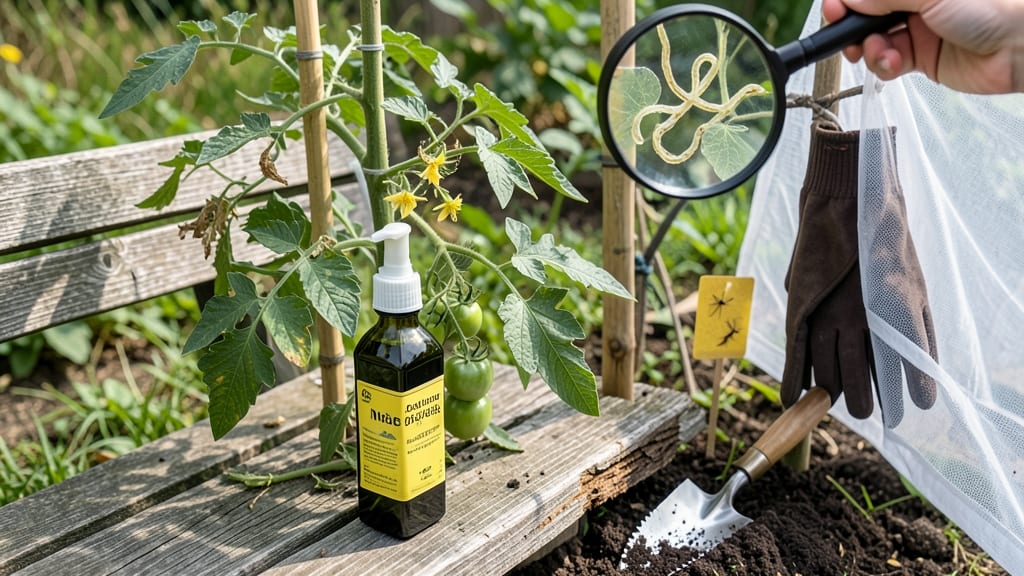
Your tomato plants' wrinkled leaves aren't just unsightly—they're a battle cry for tomato leaf miner treatment. 🌱 I've seen these tiny white maggots turn lush foliage into skeletal remains, but there's hope. The key is acting fast, using organic methods that work without harsh chemicals.
Start by identifying the problem: look for white, serpentine trails inside leaves or tiny exit holes. Once confirmed, remove heavily infested leaves immediately and drop them in soapy water. Neem oil or kaolin clay sprays create a protective barrier that disrupts their life cycle.
Within 7-10 days, you'll see new growth emerge with fewer signs of damage. The plants rebound faster when you combine physical removal with organic sprays, and the soil stays healthy for future harvests. This works for both container gardens and in-ground plots. Let's get those leaves looking green again!
Root Causes of Leaf Miner Damage
Understanding why tomato leaf miners—those tiny, destructive pests—target your plants is the first step to stopping them. These pests, scientifically known as Liriomyza species, don’t just appear out of nowhere.
Their presence is often a result of specific environmental, agricultural, or even human-related factors. Let’s break down the key reasons your tomatoes might be under siege.
Tomato leaf miners thrive when plants are weak or stressed. A healthy tomato plant has stronger defenses, making it harder for these pests to establish themselves. Here’s why stress opens the door:
- Nutrient Deficiencies: Plants lacking essential nutrients (like nitrogen, phosphorus, or potassium) grow slowly and develop thin, weak leaves—perfect hiding spots for leaf miners. Look for: yellowing leaves, stunted growth, or purplish stems. - Water Imbalance: Both overwatering and underwatering stress plants.
Overwatering creates soggy soil, inviting fungal diseases that weaken roots, while drought stress makes leaves crispy and vulnerable to pests. - Improper Pruning: Over-pruning or aggressive trimming removes protective foliage, exposing tender new growth that miners adore. Pro tip: Prune only when necessary and avoid cutting into the main stem.
Leaf miners love warm, humid climates—conditions that also suit tomato growth. Unfortunately, this overlap makes your garden a prime target. Key triggers include:
- Warm Temperatures: Leaf miners are most active between 60–85°F (15–30°C).
If your growing season aligns with this range, expect peak infestations during summer months. - High Humidity: Moisture in the air slows the drying of frass (pest droppings), making leaves stickier and more attractive to miners. Watch for: Glossy, dew-covered leaves in the morning. - Overcrowded Plants: Poor airflow between plants traps heat and humidity, creating a leaf-miner paradise. Fix it: Space tomatoes 18–24 inches apart and avoid dense mulching near stems.
Leaf miners don’t just appear—they migrate or hatch from eggs laid in previous seasons. Their life cycle is relentless:
- Overwintering Eggs: Some species lay eggs in soil or plant debris over winter.
When temperatures rise, these eggs hatch, releasing larvae ready to burrow into fresh leaves. - Wind & Insect Movement: Adult leaf miners are weak fliers but can hitch rides on wind currents or even be carried by beneficial insects (like bees) to new gardens. Prevent spread: Inspect new plants before transplanting. - Previous Infestations: If your garden had leaf miners last year, chances are high they’ll return.
Larvae can survive in soil or nearby weeds, waiting to re-infest.
Sometimes, the way we garden accidentally invites leaf miners. Common mistakes include:
- Excessive Use of Broad-Spectrum Pesticides: Chemicals that kill beneficial insects (like ladybugs or lacewings) disrupt the natural balance, leaving miners unchecked. Alternative: Use targeted organic sprays (e.g., neem oil) that spare predators.
- Ignoring Garden Hygiene: Leaving fallen leaves, plant debris, or volunteer tomatoes (unplanned tomato plants) provides shelter for overwintering pests. Solution: Clear debris regularly and rotate crops.
- Late Planting: Starting tomatoes too late in the season means they’re vulnerable during the miners’ peak activity period. Time it right: Plant seeds indoors 6–8 weeks before the last frost for a head start.
By addressing these root causes—stress, environment, life cycles, and human habits—you’ll disrupt the leaf miners’ advantage and give your tomatoes a fighting chance. Stay tuned for actionable organic treatments to reclaim your garden!
Quick Fixes for Wrinkled Tomato Leaves
Now that you know what’s causing those pesky tomato leaf miner issues, it’s time to roll up your sleeves and get your garden back in shape! 🌱 The good news? Many solutions are simple, organic, and effective—no harsh chemicals required.
Below, we’ll map out practical fixes based on the root cause, plus prevention tips to keep your tomatoes thriving all season.
Problem: Too many plants competing for sunlight and air circulation create a cozy hideout for leaf miners.
Fix It:
- 🌿 Step 1: Snip or gently pull out excess seedlings, leaving 12–18 inches of space between plants. This improves airflow and makes it harder for miners to lay eggs.
- 🌱 Step 2: Prune lower leaves (especially those touching the soil) to reduce humidity and discourage pests.
- 💡 Pro Tip: If you’re growing in containers, upgrade to larger pots—small spaces trap moisture and attract pests.
Prevent It:
- Start with spaced-out seedlings (skip the dense starter trays).
- Use dwarf or bush varieties if space is limited—they mature faster and need less thinning.
Problem: You’ve spotted wrinkled leaves, white larvae, or serpentine mines—time to intervene!
Fix It:
- 🔪 Step 1: Handpick Larvae 🪰
- Wear gloves and pluck off affected leaves (bag them for compost or trash).
- Look for tiny white maggots (larvae) and squish them between your fingers (gross but effective!).
- 💡 Pro Tip: Do this early in the morning when larvae are sluggish.
- 🌡️ Step 2: Heat Treatment (Non-Chemical)
- Blast leaves with hot water (110–115°F) for 10–15 seconds to kill eggs and larvae. Use a spray bottle with boiled water or a hose with hot water.
- ⚠️ Warning: Avoid burning the plant—test on a small area first.
- 🎯 Step 3: Trap Crops & Sacrificial Plants
- Plant basil, dill, or marigolds nearby—leaf miners love these too! Once infested, remove and destroy these plants to break the cycle.
- 💡 Pro Tip: Sweet alyssum repels miners naturally—sprinkle it around your tomatoes.
Problem: Overwatering, poor drainage, or compacted soil weakens plants, making them easier targets.
Fix It:
- 💧 Step 1: Water Smartly
- Water deeply but infrequently—soil should dry 1–2 inches down between waterings.
- Avoid overhead watering (use drip irrigation or soaker hoses) to keep leaves dry and deter egg-laying.
- 💡 Pro Tip: Water in the early morning so foliage dries quickly.
- 🌱 Step 2: Improve Soil Health
- Amend soil with compost or worm castings to boost plant resilience.
- If soil is clay-heavy, mix in sand or perlite for better drainage.
- 💡 Pro Tip: Mulch with straw or grass clippings—this keeps soil moist (but not soggy) and deters pests.
Once you’ve tackled the current infestation, keep it from coming back with these low-maintenance strategies:
| Prevention Method | How to Do It | Why It Works |
|---|---|---|
| 🌿 Row Covers | Use floating row covers (lightweight fabric) over young plants. | Blocks adult flies from laying eggs. |
| 🐝 Beneficial Insects | Attract parasitic wasps (like Diglyphus isaea)—they eat leaf miner larvae! | Natural pest control with zero effort. |
| 🍅 Crop Rotation | Never plant tomatoes in the same spot two years in a row. | Disrupts the miner’s life cycle. |
| 🌱 Companion Planting | Grow onions, garlic, or chives near tomatoes. | Their strong scent repels leaf miners. |
| 🧹 Clean Up Debris | Remove fallen leaves and plant waste from the garden bed. | Eliminates hiding spots for overwintering pests. |
💡 Bonus Hack: Neem Oil Spray (for stubborn cases) Mix 1 tbsp neem oil + 1 tsp mild soap + 1 quart water, spray every 5–7 days at dusk. It smothers larvae and deters adults without harming beneficial insects.
Remember: Consistency is key! Leaf miners are persistent, but with early action + smart prevention, you’ll keep your tomatoes wrinkle-free and productive. 🍅✨ Now go forth and save those saucy, sun-ripened beauties!
Frequently asked questions about tomato leaf miner control
How do I confirm I have tomato leaf miners and not another pest?
Look for white, serpentine trails inside leaves or tiny exit holes where larvae emerged. Unlike spider mites (which cause stippling) or aphids (which cluster on stems), leaf miners create clear, winding tunnels. Check the undersides of leaves first—they're prime egg-laying spots.
Is neem oil safe to use while tomatoes are fruiting?
Yes, but use it carefully! Neem oil is organic and low-toxicity when properly diluted. Apply only at dusk when bees are less active, and avoid spraying directly on flowers or fruit. The 1 tbsp neem + 1 tsp soap + 1 quart water mix is safe for all growth stages when used as directed.
Will removing infested leaves actually stop the problem?
Absolutely—it's the fastest physical control! Remove and destroy (don't compost) affected leaves daily to break the larvae's life cycle. Focus on new growth where eggs are most likely. Combine this with row covers for young plants to prevent new infestations from starting.
Can I use chemical pesticides if organic methods fail?
Only as a last resort! Chemical options like spinosad or permethrin can work but may harm beneficial insects. If you choose chemicals, apply early in the morning on calm days, and reintroduce parasitic wasps afterward. Always follow label instructions precisely for safety.
How long does it take to see improvement after treatment?
With consistent action, you'll notice new growth without mines in 7-10 days. The key is persistence—leaf miners have a 10-14 day life cycle, so repeat treatments every 5-7 days until you see healthy leaves. Combine physical removal with sprays for fastest results.