
How To
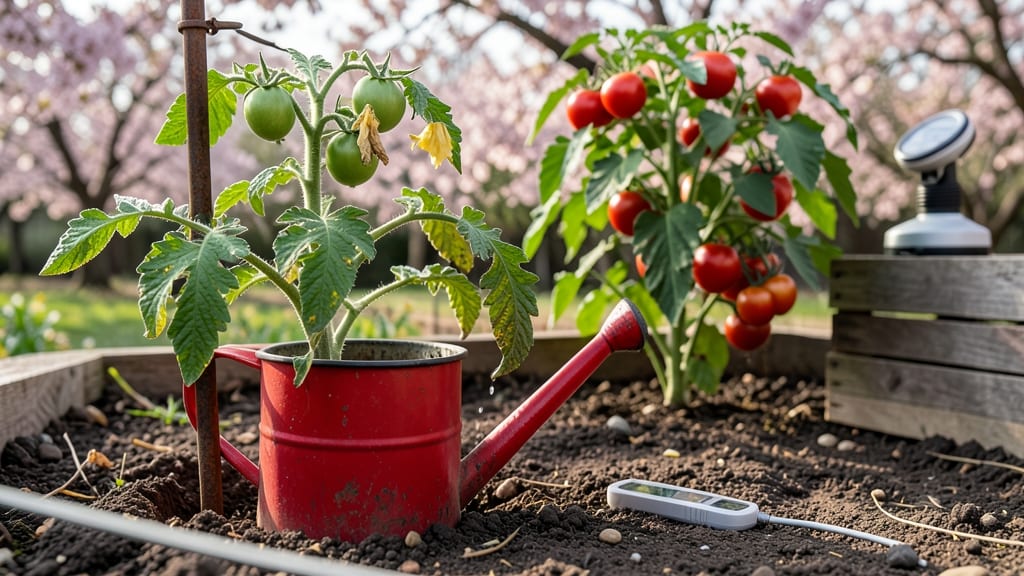
Your tomato plants are screaming for help when leaves start drooping—this is your 5-minute emergency guide to revive them before it's too late. I've pulled wilting tomatoes back from the brink after overwatering, heat stress, and even early blight, and the fixes are simpler than you think.
First, check the soil: if it's bone-dry, give roots a deep drink (not a quick splash). If it's soggy, let it dry out and improve drainage with perlite or sand. Yellowing leaves? That's often nutrient burn—switch to a balanced fertilizer and water thoroughly afterward.
The key is acting fast before the plant collapses completely. Within hours, you'll see leaves perk up again if you catch it early. For stubborn cases, trim damaged foliage to redirect energy, and shade plants from midday sun if heat's the culprit.
Think of this as CPR for your tomatoes—quick, decisive, and lifesaving. This works for container tomatoes, raised beds, or in-ground plants. The only time to panic is when the stems turn mushy—that's root rot, and you'll need to replace the plant. Let's get those leaves standing tall again!
Root Causes Behind Wilting Tomato Foliage
When your tomato plant’s leaves start to droop like a tired ballerina after a long performance, it’s usually a cry for help from the roots—or something even more urgent. Understanding the why behind the wilt is the first step to reviving your plant.
Below, we break down the most common culprits, from thirsty roots to sneaky pests, with science-backed explanations to help you diagnose the issue fast.
Tomatoes are thirsty plants, but too much love in the form of water can drown them. Overwatering or compacted, waterlogged soil cuts off oxygen to the roots, leading to anaerobic conditions. Without oxygen, roots can’t absorb water or nutrients efficiently, causing leaves to wilt as a survival mechanism.
- Signs: Yellowing leaves, mushy stems, or soil that smells sour (like rotten eggs—yuck!).
- Why it happens:
- Excess water displaces air in soil pores, suffocating roots.
- Poor drainage (clay soil, no mulch, or containers without holes) traps moisture.
- Frequent light showers without drying periods keep soil soggy.
- Actionable fix:
- Let the top 1–2 inches of soil dry out between waterings.
- Amend heavy soil with compost or perlite to improve aeration.
- Ensure pots have drainage holes and elevate them to prevent water pooling.
On the flip side, wilting can also mean your tomato is parched. Tomatoes need consistent moisture, especially during hot days. When soil dries out, roots struggle to pull up water, causing leaves to droop—often temporarily—as the plant conserves moisture.
- Signs: Dry, crispy leaf edges, soil pulling away from pot edges, or wilting that worsens in the afternoon.
- Why it happens:
- Inconsistent watering (e.g., forgetting for days, then drowning the plant).
- High temperatures (>90°F/32°C) increase evaporation, outpacing root uptake.
- Shallow root systems in young plants or containers that dry out fast.
- Actionable fix:
- Water deeply once or twice a week (check soil moisture 2 inches down).
- Mulch with straw or grass clippings to retain moisture and cool roots.
- Water in the early morning or evening to reduce evaporation.
If your tomato’s droopiness is paired with dark, mushy roots or a foul odor, you might be dealing with root rot. Fungal pathogens like Phytophthora or bacterial infections thrive in wet, anaerobic soil, gnawing away at roots until the plant can’t support itself.
- Signs:
- Leaves wilt even when soil is moist.
- Black, slimy roots (if you gently dig them up).
- Stems turn brown at the base.
- Why it happens:
- Chronic overwatering creates the perfect breeding ground for pathogens.
- Poor air circulation (e.g., crowded plants or dense foliage).
- Contaminated soil or tools spreading spores.
- Actionable fix:
- Act fast: Prune infected roots with sterilized scissors and repot in fresh, sterile soil.
- Apply a copper fungicide (like Bordeaux mixture) or hydrogen peroxide (1 tbsp per gallon of water) to soil.
- Improve drainage and avoid overhead watering.
A hungry tomato plant won’t stand tall. Nitrogen, potassium, and magnesium are critical for leaf health, and deficiencies can cause wilting—often accompanied by yellowing (chlorosis) or stunted growth.
| Nutrient | Deficiency Signs | Why It Causes Wilting | Quick Fix |
|---|---|---|---|
| Nitrogen (N) | Pale yellow leaves (starting at the bottom), slow growth. | Nitrogen fuels chlorophyll production; without it, leaves can’t photosynthesize efficiently, leading to weakness. | Add compost or a balanced fertilizer (e.g., 10-10-10). |
| Potassium (K) | Brown or yellow leaf edges (scorch), weak stems. | Potassium regulates water movement and cell turgor (pressure). Low levels cause cells to lose water faster. | Use a banana peel tea (rich in potassium) or wood ash. |
| Magnesium (Mg) | Interveinal yellowing (veins stay green), drooping between veins. | Magnesium is central to chlorophyll; deficiency disrupts energy production in leaves. | Spray leaves with Epsom salt solution (1 tbsp per gallon of water, monthly). |
Pro tip: Test your soil with a DIY kit or send a sample to a local extension office for a full analysis. Over-fertilizing can also cause wilting—always follow package instructions!
Sap-sucking pests like aphids, spider mites, or whiteflies weaken tomato plants by draining nutrients and injecting toxins. Meanwhile, viral or bacterial diseases (e.g., tomato mosaic virus) can cause sudden wilting by disrupting the plant’s vascular system.
- Signs:
- Sticky residue (honeydew) on leaves from aphids.
- Tiny webs (spider mites) or white specks (whiteflies).
- Mosaic patterns on leaves (viral infection).
- Wilt that spreads unevenly or one-sided.
- Why it happens:
- Pests pierce cells, causing plasmolysis (cell collapse from water loss).
- Diseases clog xylem vessels, blocking water transport.
- Stressed plants (from drought or poor soil) attract more pests.
- Actionable fix:
- Blast pests off with a strong stream of water or use neem oil (1 tsp per liter of water).
- Introduce beneficial insects like ladybugs or lacewings.
- For diseases, remove infected leaves
Quick Fixes for Wilting Tomatoes
Reviving your tomato plants doesn’t have to be a guessing game—just match the symptoms to the right solution, and you’ll have them perking up in no time.
Below, we’ve broken down practical, step-by-step fixes for the most common causes of drooping tomato leaves, along with prevention tips to keep your plants thriving. Let’s get those leaves standing tall again! 🌱💪
---
Fix: Drain, Adjust, and Air Out If your tomato leaves are drooping after watering, root rot or waterlogged soil is likely the culprit. Here’s how to fix it:
1. 🔥 Stop Watering Immediately Let the soil dry out completely for 24–48 hours to prevent further stress on the roots.
2. 👨🍳 Check the Roots Gently dig around the base of the plant (be careful not to damage roots). If roots look mushy, black, or smell foul, trim the affected ones with sterilized scissors and replant in fresh soil.
3. ⏰ Improve Drainage - Mix perlite or coarse sand into the soil (20–30%) to help water drain faster. - If in containers, ensure pots have drainage holes and elevate them slightly off the ground.
4. 🥘 Water Smarter - Water deeply but infrequently (1–2 inches per week, depending on climate). - Use a moisture meter or the "finger test" (stick your finger 1–2 inches into the soil—if dry, water; if damp, wait).
💡 Prevention Tip: Use self-watering containers or drip irrigation to avoid overwatering. Mulch around plants to retain even moisture without soggy soil.
---
Fix: Hydrate and Shield Drooping leaves can also mean your tomatoes are thirsty or overheated. Here’s how to quench their thirst and protect them from the sun:
1. 🍳 Water Deeply and Early - Water slowly and deeply at the base of the plant (avoid wetting leaves to prevent disease). - Do this in the morning so foliage dries before evening.
2. 🌡️ Provide Shade (If Needed) - If temps exceed 90°F (32°C), provide partial shade (use shade cloth or move pots to a shadier spot). - Avoid sudden temperature swings (e.g., cold nights after hot days).
3. 🎯 Boost Humidity (For Container Plants) - Place a tray of water near the plant or mist leaves early in the day (avoid evening to prevent fungal issues). - Group plants together to create a microclimate with higher humidity.
💡 Prevention Tip: - Mulch heavily (2–3 inches) to retain moisture and cool roots. - Choose heat-tolerant varieties like ‘Solar Fire’ or ‘Heatmaster’ if you live in a hot climate.
---
Fix: *Prune, Treat, and Prevent If drooping is paired with yellow spots, white powder, or black lesions, a fungal infection is likely. Act fast to save your plants:
1. 🔪 Prune Affected Leaves - Remove all infected leaves (including those touching the ground) and dispose of them in the trash (not compost). - Sterilize pruners with rubbing alcohol between cuts.
2. 🌡️ Apply Fungicide - Use copper fungicide (preventative) or neem oil spray (natural option). - For severe cases, try baking soda spray (1 tsp baking soda + 1 quart water + a drop of dish soap).
3. ✨ Improve Airflow - Space plants 18–24 inches apart to reduce humidity buildup. - Stake or cage tomatoes to keep foliage off the ground.
💡 Prevention Tip: - Rotate crops yearly (don’t plant tomatoes in the same spot). - Water at the base (avoid overhead watering) and remove lower leaves to prevent soil splash.
---
Fix: *Inspect, Spray, and Trap Pests suck sap, causing leaves to wilt, curl, or turn yellow. Here’s how to evict them:
1. 🔍 Identify the Pests - Aphids: Tiny green/black bugs on undersides of leaves. - Spider mites: Fine webbing + speckled leaves. - Whiteflies: White, moth-like insects that flutter when disturbed.
2. 🍳 Blast Them Off - Spray with water (strong stream from a hose) to knock off aphids and whiteflies. - For mites, wipe leaves with a soapy water cloth (1 tsp mild soap per gallon of water).
3. 🎯 Use Natural Repellents - Neem oil spray (1 tsp neem oil + 1 tsp mild soap + 1 quart water). - Insecticidal soap (follow package instructions). - Yellow sticky traps to catch whiteflies.
💡 Prevention Tip: - Encourage beneficial insects like ladybugs or lacewings by planting marigolds or basil nearby. - Inspect plants weekly (especially undersides of leaves) to catch infestations early.
---
Fix: *Fertilize and Test Soil Drooping can signal nutrient hunger, especially if leaves are yellowing (nitrogen), brown at edges (potassium), or have interveinal yellowing (magnesium).
1. 📊 Test Your Soil - Use a DIY soil test kit (available at garden centers) or send a sample to a local extension office.
2. 💪 Apply the Right Fertilizer - Nitrogen (yellow leaves): Use blood meal, fish emulsion, or a balanced 10-10-10 fertilizer. - Potassium (brown edges): Try potassium sulfate or banana peel tea. - Magnesium (yellow between veins): Sprinkle Epsom salt (1 tbsp per gallon of water) every 2 weeks.
3. 🥗 Feed Slowly - Avoid over-fertilizing—stick to the recommended dosage and water thoroughly after applying.
💡 Prevention Tip: - Mulch with compost to slowly release nutrients. - Rotate crops to prevent nutrient depletion in the soil.
Final Pro Tip: 🌿 If your tomato leaves are drooping despite your best efforts, check for transplant shock (common after moving plants). Give them 1–2 weeks to adjust to their new environment before diagnosing further.
Frequently asked questions
1Why do my tomato leaves droop in the afternoon but perk up at night?
This is classic heat stress or underwatering. Tomatoes lose water faster in hot afternoons, causing temporary wilting. Check if the top 1-2 inches of soil are dry—if so, water deeply in the morning. Mulch with straw to retain moisture and reduce evaporation.
2Can I save a tomato plant with completely mushy stems?
Unfortunately, mushy stems indicate advanced root rot, which is usually irreversible. If only a few stems are affected, prune them immediately and repot healthy stems in fresh, sterile soil with improved drainage. For widespread rot, replace the plant to prevent spreading to others.
3How often should I fertilize wilting tomato plants?
Start with a balanced fertilizer (10-10-10) every 2-3 weeks during active growth, but reduce frequency if leaves show nutrient burn (brown edges). For deficiency fixes, use targeted amendments like Epsom salt (for magnesium) or banana peel tea (for potassium). Always water thoroughly after fertilizing.
4Is it safe to use coffee grounds around tomato plants?
Yes! Coffee grounds add nitrogen and improve soil structure, but use them sparingly (1 cup per plant every 2 months). Too much can make soil acidic and harm roots. Mix them into the soil or use as mulch, but avoid direct contact with stems to prevent mold.
5What's the fastest way to revive a drooping tomato plant?
For immediate relief: 1) Trim damaged leaves to reduce water loss, 2) Water deeply at the base (not the leaves), and 3) Move to partial shade if temps exceed 90°F (32°C). Most plants show improvement within 6-12 hours if the root system is still healthy.