
Diseases
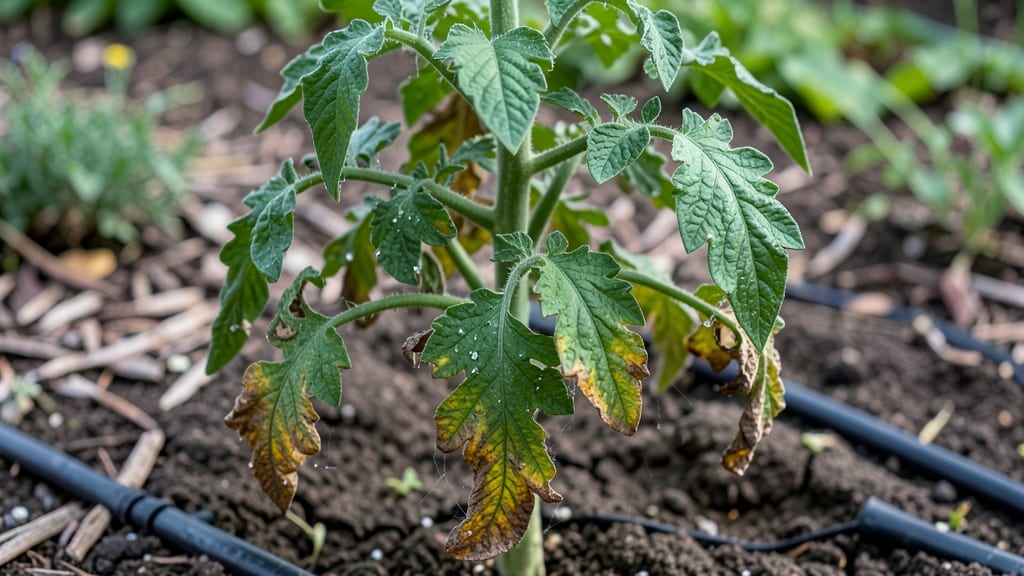
Wilting tomato leaves are often caused by hidden problems like overwatering, pests, or nutrient deficiencies—each one demanding a different fix.
Picture this: you walk out to your garden expecting juicy 🍅 tomatoes, only to find limp leaves and drooping stems. Before you pull out your trowel in frustration, there’s a method to diagnosing the issue—and fast solutions to bring your plants back to life.
Overwatering, fungal diseases, and even temperature swings can turn a thriving tomato plant into a sad, wilted mess. The good news? Most causes have simple fixes, from adjusting your watering schedule to pruning infected leaves or adding compost to depleted soil.
In this guide, I’ll walk you through the top 5 culprits behind wilting, how to spot them early, and the fastest ways to revive your tomatoes—so you can get back to harvesting instead of troubleshooting.
5 Common reasons tomato leaves wilt (and how to diagnose them)
Watching your tomato plants lose their vibrant green leaves and droop can be heartbreaking—especially when you’ve poured time and care into their growth. Wilting leaves are your plant’s way of signaling distress, but the cause isn’t always obvious.
From overwatering to fungal infections, these 5 common culprits often fly under the radar until it’s too late. Let’s break down the symptoms and what’s really making your tomatoes throw in the towel.
Before grabbing the watering can or reaching for pesticides, take a closer look at your plants. The location of wilting, leaf color, and stem condition hold critical clues.
For example, yellowing lower leaves with crispy edges might scream underwatering, while mushy stems and dark spots could point to a bacterial infection. Each issue requires a different fix, so accurate diagnosis is your first step to revival.
Numbered highlights visual element begins here:
-
1
Overwatering or Poor Drainage
Yellowing leaves, soggy soil, and a foul odor. Roots suffocate when waterlogged, cutting off nutrient flow.
-
2
Underwatering or Drought Stress
Crispy leaf edges, dry soil, and leaves curling inward. Plants conserve water by wilting during dry spells.
-
3
Fungal Diseases (Early Blight, Late Blight)
Brown spots with yellow halos (early blight) or dark, greasy lesions (late blight). Leaves may wilt suddenly during humid conditions.
-
4
Nutrient Deficiencies (Nitrogen, Potassium)
Yellow lower leaves (nitrogen) or brown leaf edges (potassium). Weak stems can’t support foliage, causing wilting.
-
5
Extreme Temperature Stress (Heat or Cold)
Wilting during heatwaves (over 90°F) or after frost. Leaves may appear scorched or limp from shock.
🌱 Pro Tip: Check soil moisture with your finger—if the top 1-2 inches are dry, it’s underwatering. If they’re soggy, it’s overwatering.
Now that you’ve identified the likely culprit, let’s dive deeper into each cause. Overwatering is a sneaky villain—many gardeners assume wilting means their plants need more water, when in reality, the roots are drowning.
Look for yellowing leaves that feel mushy to the touch, or soil that smells like rot. This is your plant’s SOS for better drainage or a pause in watering.
On the flip side, underwatering is equally damaging. Tomato plants are thirsty creatures, especially during their fruiting phase. If your leaves are curling inward like a taco and the soil feels dry as a bone, it’s time to deep water your plants.
Aim for 1-2 inches of water per week, delivered directly to the soil—not the leaves—to prevent fungal hitchhikers.
Fungal diseases like early blight and late blight are the silent saboteurs of tomato gardens. Early blight starts with brown spots on lower leaves, while late blight spreads rapidly in cool, wet conditions, causing entire leaves to wilt overnight.
If you spot these symptoms, act fast—remove infected leaves immediately and consider a copper fungicide spray to protect the rest of your plants.
Don’t overlook nutrient deficiencies, either. Tomato plants are heavy feeders, and if your soil lacks nitrogen or potassium, wilting can be a secondary symptom of overall weakness. Yellowing leaves starting from the bottom?
That’s classic nitrogen deficiency. Brown, crispy edges? Your plants are crying out for potassium. A balanced 10-10-10 fertilizer applied every 4-6 weeks can work wonders.
Finally, temperature stress can wilt tomatoes faster than a summer breeze. Heatwaves cause leaves to scorch and wilt as a protective measure, while sudden cold snaps shock the plant’s system.
If your tomatoes are wilting during extreme weather, provide shade cloth for heat protection or move potted plants to a sheltered spot. Mulching around the base of your plants also helps regulate soil temperature.
Wilting leaves don’t always mean game over—often, they’re just your tomatoes’ way of communicating. By recognizing these 5 common causes and acting quickly, you can turn the tide and bring your plants back to full vigor.
Next, we’ll cover the step-by-step fixes for each issue, so you can revive your tomatoes faster than you thought
Quick fixes for wilting tomato leaves: step-by-step recovery guide
When your tomato plants start wilting, quick action can mean the difference between recovery and loss. First, check the soil moisture by sticking your finger 1-2 inches deep—if it's dry, underwatering is likely the culprit. For overwatered plants, the soil will feel soggy, and roots may struggle to breathe.
Start by adjusting your watering schedule. Tomatoes need 1-2 inches of water per week, delivered in the morning to prevent fungal diseases. If the wilting is severe, trim any yellow or brown leaves to redirect energy to healthy growth. Use clean, sharp pruning shears to avoid damaging stems.
⚠️ ⚠️ CAUTION: Common Causes of Tomato Leaf Wilting ⚠️
What Causes Tomato Leaves to Wilt?
- Overwatering/Underwatering: Soil too dry or saturated
- Fungal Diseases: Early blight, late blight, or powdery mildew
- Pest Infestations: Aphids, spider mites, or hornworms
- Nutrient Deficiency: Lack of nitrogen, potassium, or magnesium
- Environmental Stress: Extreme heat, cold, or poor airflow
Diagnose the issue by examining leaves, stems, and soil before treating.
For nutrient deficiencies, amend the soil with a balanced 10-10-10 fertilizer or compost. Spread a thin layer around the base of the plant and water it in.
If pests like aphids or spider mites are present, spray the leaves with a mix of 1 tsp neem oil + 1 quart water or use insecticidal soap.
If fungal diseases like early blight are causing wilting, remove infected leaves immediately and apply a copper fungicide or baking soda spray (1 tbsp baking soda + 1 quart water + a drop of dish soap). Space plants properly to improve air circulation, which helps prevent fungal spread.
To protect against environmental stress, provide shade cloth during extreme heat (above 90°F) and mulch around the base to retain moisture. For cold stress, use row covers or move potted tomatoes to a sheltered area. Monitor your plants daily for early signs of stress.
With consistent care, your tomato plants should recover within 3-7 days. Keep a journal to track watering, fertilizing, and pruning—this helps identify patterns and prevent future wilting. Happy gardening!