
Planting
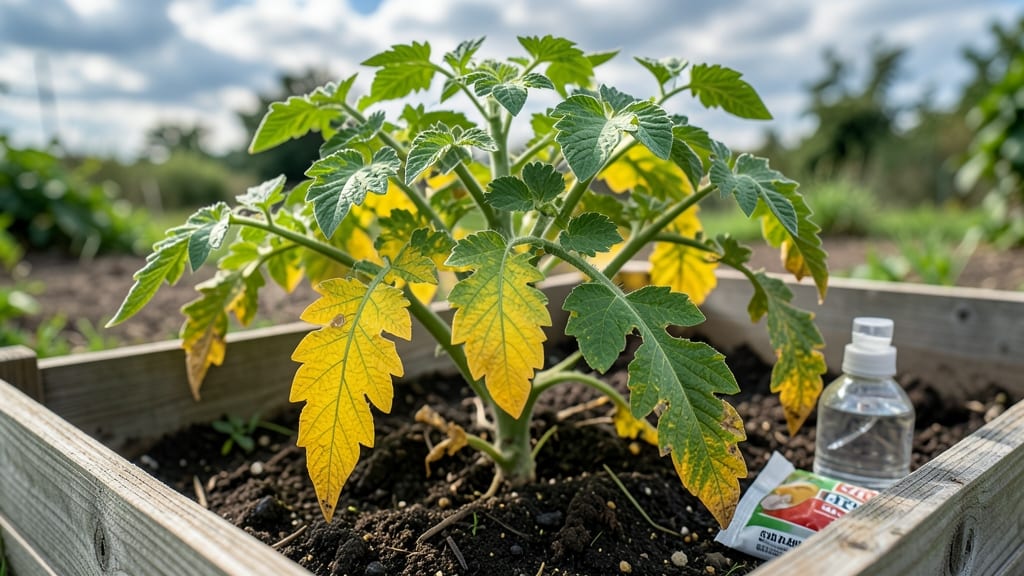
When what does it mean when tomato plant leaves turn yellow, it’s not just a cosmetic issue—it’s your plant’s way of screaming for help. 🌱 I’ve seen this happen more times than I’d like to admit, and each time, it was a clue pointing to something specific, from overwatering to hidden pests.
The key is figuring out which symptom matches your plant’s distress signals.
Most yellowing starts at the older leaves first—this usually means overwatering or nutrient issues, especially nitrogen or magnesium. But if the yellowing spreads to younger leaves, check for underwatering, pests, or disease like early blight.
I learned the hard way that ignoring these signs can mean losing the whole plant, so grab a notebook and start inspecting.
Here’s the good news: fixing yellow leaves is easier than you think. Adjust your watering schedule, test your soil’s pH, or spray neem oil for pests—small tweaks can turn your plant’s health around in days.
The goal isn’t just to stop the yellowing but to get those leaves back to a deep, vibrant green so your tomatoes can thrive.
Whether it’s root rot from too much water or magnesium deficiency from poor soil, every cause has a solution. By the end of this guide, you’ll know exactly what your plant needs—and how to keep it happy all season long. Let’s get those leaves back in shape!
Underlying Causes Of Leaf Discoloration
Yellowing leaves on tomato plants aren’t just a visual red flag—they’re your plant’s way of signaling distress. Understanding the root causes helps you take precise action before the problem escalates. Below, we break down the most common triggers, from environmental stressors to hidden pests, with clear explanations and actionable insights.
Tomato plants thrive on balance, and too much water disrupts their nutrient uptake. When roots sit in soggy soil, they suffocate, starving leaves of oxygen and essential minerals like nitrogen and potassium. This leads to chlorosis—the yellowing of leaves while veins remain green (a classic sign of nutrient starvation).
Why it happens:
- Compacted or clay-heavy soil traps excess moisture, preventing roots from breathing.
- Overzealous watering (especially without checking soil moisture) drowns roots, triggering fungal diseases like Phytophthora, which further weakens the plant.
- Lack of drainage in containers or raised beds forces water to pool at the roots.
Actionable fix:
- Test soil moisture before watering: Stick your finger 1–2 inches into the soil. If it’s damp, wait.
- Improve drainage by amending soil with perlite, sand, or compost. For containers, ensure pots have drainage holes.
- Water deeply but infrequently: Aim for 1–1.5 inches of water per week (adjust for climate). Use a moisture meter for precision.
Tomatoes love sunlight, but intense heat or direct midday sun can scorch leaves, causing yellowing, crispy edges, or white patches. This is common in hot climates or when plants are suddenly exposed to full sun after shade.
Why it happens:
- High temperatures (above 90°F/32°C) disrupt photosynthesis, leading to cellular damage.
- Transpiration stress: Plants lose more water than they can absorb, causing leaf burn.
- Young or tender leaves are most vulnerable, often yellowing first.
Actionable fix:
- Provide afternoon shade with shade cloth (30–50% coverage) during peak heat.
- Mulch heavily (2–3 inches of straw or wood chips) to keep roots cool and retain moisture.
- Choose heat-tolerant varieties like ‘Solar Fire’ or ‘Heatmaster’ if you’re in a hot zone.
Yellow leaves can scream “help” in different ways depending on which nutrient is missing.
For example: - Nitrogen deficiency (most common) causes older leaves to yellow first (starting at the base), as the plant redistributes nutrients to new growth. - Potassium deficiency leads to yellowing along leaf edges (a condition called “scorch”). - Magnesium deficiency (often in alkaline soils) causes interveinal yellowing (between veins) on older leaves.
Why it happens:
- Poor soil quality: Depleted or unbalanced soil lacks essential micronutrients.
- Over-fertilizing with nitrogen (e.g., too much blood meal) can burn roots, preventing uptake of other nutrients.
- pH imbalances: Tomatoes prefer slightly acidic soil (pH 6.0–6.8). High pH locks out nutrients like iron and manganese.
Actionable fix:
- Test your soil (use a DIY kit or send a sample to a local extension office).
- Fix deficiencies with targeted fertilizers:
- Nitrogen: Use compost, fish emulsion, or a balanced 10-10-10 fertilizer.
- Potassium: Apply greensand, wood ash, or a potassium-rich fertilizer like 0-0-50.
- Magnesium: Sprinkle Epsom salt (1 tbsp per gallon of water) every 2 weeks.
- Adjust pH with sulfur (to lower pH) or lime (to raise it) as needed.
Hidden beneath the soil, pests and pathogens can wreak havoc on tomato roots, cutting off the plant’s nutrient supply. Yellowing leaves are often a late-stage symptom by the time you notice them.
Common culprits:
- Root-knot nematodes: Microscopic worms that create galls on roots, reducing water/nutrient absorption.
- Fungal root rot (Pythium or Fusarium): Thrives in wet conditions, causing roots to rot and leaves to yellow.
- Aphids or spider mites: While they feed above ground, severe infestations stress the plant, leading to systemic yellowing.
Why it happens:
- Nematodes thrive in warm, moist soil and spread via contaminated tools or water.
- Fungal infections spread through splashing water or infected plant debris.
- Pests multiply rapidly in dry, dusty conditions (they prefer stressed plants).
Actionable fix:
- Inspect roots (gently dig up a plant to check for galls, rot, or pests).
- Rotate crops: Avoid planting tomatoes in the same spot yearly to break nematode/fungal cycles.
- Use organic nematicides like neem oil or marigold companion plants to deter pests.
- Improve airflow by pruning lower leaves and spacing plants 18–24 inches apart.
Even minor changes in your tomato’s environment can trigger yellowing. Wind, temperature swings, or poor air circulation create stress that manifests in leaf discoloration.
Why it happens:
- Windburn: Strong winds dry out leaves faster than roots can supply water, causing yellowing and browning.
- Temperature fluctuations: Cold nights followed by hot days disrupt metabolic processes.
- Stagnant air: Poor circulation (e.g., crowded plants) traps humidity, promoting fungal growth.
Actionable fix:
- Protect from wind with windbreaks (e.g., burlap screens or tall plants like corn).
- Use row covers for young plants to shield them from cold drafts.
- Prune strategically: Remove crowded foliage to improve airflow and reduce humidity.
Overuse of pesticides, herbicides, or even tap water high in chlorine/sodium can damage tomato plants, leading to yellowing leaves.
Why it happens:
- Salt buildup: Hard water or fertilizers with high sodium content accumulate in soil, creating a toxic environment.
- Pesticide residue: Some chemicals (e.g., glyphosate drift) can burn leaves or disrupt nutrient uptake.
- Alkaline water: High pH water (above 7.5) locks out essential nutrients like iron and manganese.
Actionable fix:
- Flush soil with rainwater or distilled water to reduce salt buildup.
- Avoid overhead watering with tap water; use drip irrigation instead.
- Test water quality and switch to filtered or rainwater if needed.
Newly transplanted tomato plants often experience stress as they adjust to their new environment, leading to temporary yellowing.
Why it happens:
- Root disturbance: Transplanting damages fine root hairs, slowing nutrient uptake.
- Environmental change: Moving from a nursery to a garden alters light, temperature, and moisture levels.
- Underwatering post-transplant: Roots need time to establish before resuming normal watering routines.
Actionable fix:
- Water deeply before and after transplanting to reduce shock.
- Use root stimulators (like mycorrhizal fungi or seaweed extract) to encourage root growth.
- Avoid fertilizing for 1–2 weeks post-transplant to let roots recover.
Fixing Yellow Tomato Leaves: Step-by-Step Solutions
Now that you’ve identified the culprit behind your tomato plant’s yellowing leaves, it’s time to take action! Below are targeted fixes for each common cause, along with prevention tips to keep your plants thriving.
Whether it’s a nutrient deficiency, pest attack, or environmental stress, these solutions are designed to be practical, fast, and effective—so you can get back to harvesting juicy, red tomatoes in no time.
Fix:
- Stop watering immediately—let the soil dry out slightly before watering again. Stick your finger 1–2 inches into the soil; if it’s soggy, wait.
- Improve drainage by amending the soil with perlite, sand, or compost (20–30% mix). If potted, ensure containers have drainage holes.
- Repot if needed—if roots are rotting (black, mushy), trim the affected roots, dust with cinnamon or sulfur (natural fungicide), and repot in fresh, well-draining soil.
- Water deeply but less often—tomatoes prefer 1–1.5 inches of water per week, delivered at the base (not the leaves) to avoid fungal diseases.
💡 Prevention Tips:
- Use self-watering pots or drip irrigation for consistent moisture.
- Avoid watering in the evening—wet leaves + cool nights = fungal risks.
- Mulch with straw or wood chips to retain moisture without oversaturating soil.
Fix:
| Deficiency | Quick Fix | Long-Term Solution |
|---|---|---|
| Nitrogen (Pale Yellow) | Sprinkle blood meal or fish emulsion (high-nitrogen) around the base. | Use a balanced fertilizer (10-10-10) every 2–3 weeks. |
| Potassium (Yellow Edges) | Mix wood ash or banana peel tea (potassium-rich) into water and feed. | Apply potassium sulfate or compost tea. |
| Magnesium (Yellow Between Veins) | Spray Epsom salt solution (1 tbsp/gallon) on leaves every 2 weeks. | Work dolomitic lime into soil (follow package rates). |
| Iron (Yellow New Leaves) | Apply chelated iron or soak roots in a weak iron supplement (1 tsp/gallon). | Use acidic soil amendments (peat moss, pine needles) to boost iron availability. |
💡 Prevention Tips:
- Test your soil every 2–3 years to check pH and nutrient levels.
- Rotate crops—tomatoes deplete soil nutrients; plant legumes (like beans) in the same spot next year.
- Avoid over-fertilizing—more isn’t always better; follow package instructions!
Fix:
- Remove infected leaves—snip off yellow/crinkled leaves below the infection with sterilized scissors (wipe with rubbing alcohol).
- Apply fungicide/bactericide:
- Early stages: Spray with neem oil (1 tsp/gallon) or baking soda mix (1 tbsp baking soda + 1 tsp oil + 1 gallon water).
- Severe cases: Use copper fungicide (follow label) or hydrogen peroxide (3% solution, spray leaves).
- Improve airflow—prune crowded branches and space plants 18–24 inches apart.
- Sterilize tools—clean pruners with bleach or alcohol between cuts to prevent spread.
💡 Prevention Tips:
- Water at the base—never overhead, especially in the evening.
- Rotate crops—don’t plant tomatoes in the same spot yearly (wait 3 years).
- Use resistant varieties like ‘Celebrity’ or ‘Mountain Merit’ for disease-prone areas.
Fix:
| Pest | Quick Fix | Long-Term Solution |
|---|---|---|
| Aphids | Spray with soapy water (1 tsp mild soap/gallon) or neem oil. | Introduce ladybugs or parsley as a trap plant. |
| Spider Mites | Blast off with water spray, then apply neem oil or horticultural oil. | Increase humidity with pebble trays under pots. |
| Whiteflies | Sticky traps + yellow sticky cards near plants. | Spray kaolin clay (Surround WP) as a barrier. |
| Flea Beetles | Cover seedlings with floating row covers until established. | Use diatomaceous earth around the base. |
💡 Prevention Tips:
- Inspect leaves daily—catch pests early!
- Encourage beneficial insects like lacewings and predatory mites.
- Remove weeds—they harbor pests and diseases.
Fix:
- Too Much Sun (Scorched Leaves):
- Provide afternoon shade with a light shade cloth (30–50% coverage).
- Move potted tomatoes to a slightly shadier spot (6+ hours of sun is ideal).
- Too Little Sun (Leggy, Yellow Growth):
- Relocate to a sunnier spot (tomatoes need 6–8+ hours of direct sun).
- Use reflective mulch (white plastic) to bounce light onto leaves.
- Temperature Extremes (Cold/Drought Stress):
- Cold snaps? Cover plants with frost blankets at night.
- Heatwaves? Mulch with straw to retain moisture and water deeply in the morning.
💡 Prevention Tips:
- Hardening off seedlings—gradually expose young plants to outdoor conditions.
- Monitor weather forecasts—protect plants from unexpected frosts or heatwaves.
- Choose heat-tolerant varieties like ‘Solar Fire’ or ‘Heatmaster’ for hot climates.
✨ Final Pro Tip: Keep a plant journal! Note when you water, fertilize, and spot issues—this helps you spot patterns and adjust care next season. Happy growing! 🍅✂️
Frequently asked questions about tomato leaf yellowing
Why do tomato leaves turn yellow first on the bottom?
This classic pattern usually signals overwatering or nutrient deficiencies like nitrogen or magnesium. The plant sacrifices older leaves to protect new growth. Check soil moisture—if soggy, reduce watering. For nutrients, try Epsom salt (magnesium) or compost tea (nitrogen).
Can yellow tomato leaves spread to the fruit?
Not directly, but severe stress from yellowing leaves can reduce fruit quality. If caused by nutrient deficiencies or pests, the plant may divert energy away from tomatoes. Act fast—fix the root issue (literally!) to ensure healthy fruit development. Yellow leaves won't make tomatoes yellow, but poor plant health might.
Is it safe to prune yellow leaves from my tomato plant?
Yes! Remove yellow leaves to redirect the plant's energy to healthy growth. Use clean scissors to cut just above the leaf stem. For diseased leaves (spots, wilting), prune immediately and sterilize tools. Never compost infected plant material—dispose of it in the trash instead.
How quickly should I expect to see improvement after fixing the problem?
With proper care, you may see new green growth in 3-7 days. For nutrient deficiencies, results appear faster with foliar sprays (like Epsom salt) than soil amendments. Overwatering fixes take longer—roots need time to recover. Monitor daily and adjust care as needed.
Could my tomato plant's yellow leaves be from old age?
Possibly, but not usually! Tomatoes naturally yellow lower leaves as they age, but widespread yellowing suggests stress. If only a few bottom leaves yellow while new growth stays green, it's likely normal aging. However, if yellowing spreads upward or appears on new leaves, investigate other causes like pests or disease.