
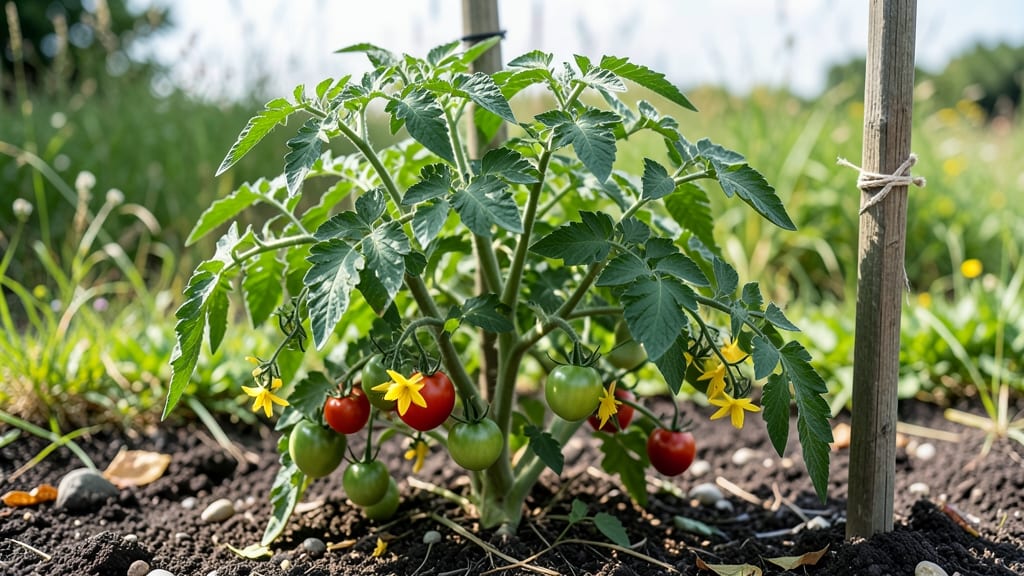
Tomato Maturity Time: Days to Harvest by Variety (With Ripeness Tricks)

Vegetables

Tomato Maturity Time: Days to Harvest by Variety (With Ripeness Tricks)

Understanding tomato maturity time is the key to planning a harvest that actually delivers fruit 🍅 — and skipping the guesswork means fewer empty vines by fall.

Wondering when your tomato plants will finally bear fruit? The answer depends entirely on the variety—and knowing these exact maturity timelines can mean the difference between a bountiful harvest and empty vines.

Some tomatoes ripen in as few as 50 days, while heirlooms can take twice that long. Climate, planting time, and even soil temperature play a role, so a 60-day variety might not deliver until late summer in cooler zones.

Here’s how to estimate your harvest window, adjust care to speed up ripening, and spot the signs of true maturity before the first frost hits.

Tomato maturity time by variety: fastest to slowest growing types

If you're planning your garden around tomato harvests, timing is everything. Some varieties produce fruit in just 45 days, while others take nearly 100 days to ripen. The difference between these extremes often comes down to whether a tomato is determinate (bush-type) or indeterminate (vining).

Determinate varieties set all their fruit at once and ripen quickly, while indeterminate types produce continuously all season long. Knowing these timelines helps you choose the right varieties for your growing season length and climate zone.

For gardeners in short-season areas (like Zone 5 or cooler), fast-maturing varieties are a lifesaver. Meanwhile, those with long, hot summers can afford to grow larger heirlooms that take their time.

Below, I’ve broken down 15+ popular varieties, ranked from fastest to slowest maturity, so you can plan your garden with confidence. Whether you're growing cherry tomatoes for snacks or beefsteaks for sandwiches, this guide will help you estimate when to expect your first ripe fruit.

td style="padding: 10px; border-bottom: 1px solid #ddd;">Indeterminate
Variety Type Days to Maturity Size Best For
Early Girl Indeterminate 50-55 days Medium (12 oz) Early harvests, slicing
Patio Princess Determinate 45-50 days Small (1 oz) Containers, early snacks
Sun Gold Indeterminate 55-60 days Cherry (10-15 g) Sweet, early cherries
Sweet 100 Indeterminate 55-65 days Cherry (10-15 g) Classic sweet cherries
Roma Determinate 65-70 days Paste (3 oz) Sauces, canning
Better Boy 70-75 days Beefsteak (1 lb) Large slicing
Brandywine Indeterminate 85-90 days Heirloom (12 oz) Flavor, late season
Cherokee Purple Indeterminate 80-85 days Heirloom (8 oz) Rich flavor, late harvest

How to accelerate tomato ripening: proven tricks to harvest earlier

If you're eager to enjoy homegrown tomatoes but the maturity time feels painfully slow, don't worry—there are science-backed ways to speed up ripening. The key lies in understanding how temperature, light exposure, and plant care influence fruit development.

With these tricks, you can shave weeks off the tomato maturity time and enjoy earlier harvests.

One of the most effective methods is controlling the ripening environment. Tomatoes ripen faster in warm temperatures (70-80°F) but can stall if nights dip below 55°F. Using row covers or even a simple greenhouse cloche can create a warmer microclimate, accelerating color change and sugar development.

  1. 1. Optimize Light Exposure
    Place plants in full sun (6+ hours/day). Use reflective mulch or mirrors to bounce light onto leaves.
  2. 2. Prune Strategically
    Remove suckers and lower leaves to redirect energy to fruit. Focus on 3-5 main stems for faster ripening.
  3. 3. Use Organic Ripening Sprays
    Spray vinegar-water mix (1:3 ratio) on green tomatoes to kickstart ethylene production naturally.
  4. 4. Banana Peel Trick
    Bury banana peels near roots—potassium and ethylene speed up ripening and improve flavor.
  5. 5. Harvest Early, Ripen Indoors
    Pick pink-stage tomatoes and place in a paper bag with an apple to trap ethylene gas.

Don't overlook the power of pruning techniques. By removing suckers (the shoots between the stem and branches) and lower leaves, you improve air circulation and reduce disease risk.

This shift in energy helps the plant focus on ripening existing fruit rather than producing new growth. For indeterminate varieties, prune aggressively to encourage faster maturation.

Another game-changer is ethylene exposure, a natural plant hormone that triggers ripening. Place a ripe apple or banana in a closed box with green tomatoes for 3-5 days.

The fruit releases ethylene, mimicking the plant's natural ripening process. This method works best for green tomatoes that need a final push before turning red or yellow.

Finally, know the difference between ripe and overripe tomatoes. A truly ripe tomato will have a dull, matte skin and yield slightly when gently squeezed. If the skin feels tight and glossy, it’s underripe.

Overripe tomatoes develop soft spots, wrinkled skin, or a fermented smell—best used immediately in sauces or salsas.

With these tricks, you can cut tomato maturity time by 2-3 weeks while ensuring sweeter, more flavorful fruit. Start experimenting this season—your taste buds will thank you! 🍅

★★★★★4.8(10 reviews)
Categories Vegetables