
Planting
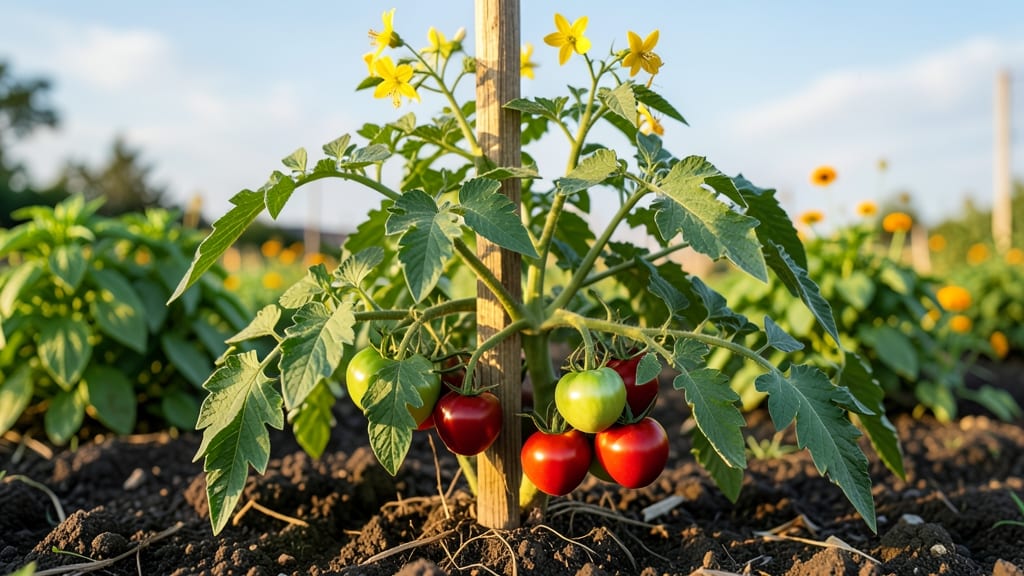
Tomato plant care outdoor requires sun, water, and space—but I’ve grown hundreds and learned the secrets that keep them thriving without constant fuss. 🌞 The key isn’t just following rules; it’s understanding why tomatoes struggle (too much shade, uneven watering, or crowded roots) and fixing those specific problems before they start.
Start with 6-8 hours of sunlight daily and well-draining soil mixed with compost. Water deeply at the base—never overhead—to avoid diseases like blight. Mulch keeps roots cool, and a simple trellis prevents sprawl while improving airflow. Most people overcomplicate fertilizing; a balanced 10-10-10 feed every 3-4 weeks does the trick.
By midseason, you’ll see heavy clusters of fruit with minimal effort. Prune suckers regularly (those little shoots in the joint) to direct energy to tomatoes, not leaves.
Even in heatwaves, shade cloth or afternoon watering keeps plants productive. The best part? These same steps work for cherry, beefsteak, and heirloom varieties.
Winter’s the only challenge—protect mature plants with row covers or move potted tomatoes indoors. Next year, you’ll harvest until frost, with fewer pests and more flavor than store-bought. Let’s get those plants growing right.
📚 In This Guide
- What you need
- Instructions
- Tips and common mistakes
- Wrapping up and next steps
What you need
- ● Tomato seeds or seedlings: Choose disease-resistant varieties (e.g., Roma, Cherry, or Beefsteak) based on your climate. Start seeds indoors 6–8 weeks before the last frost or buy healthy 6-inch seedlings.
- ● Well-draining potting mix or garden soil: A blend of 60% topsoil, 30% compost, and 10% perlite/sand (for containers). For in-ground planting, amend soil with 2–3 inches of compost.
- ● Containers or garden space: For containers: 5-gallon pots or larger (minimum 12–18 inches deep per plant). Use at least 2–3 pots per plant if growing indeterminate varieties.
- ● For ground planting: Full sun (6+ hours/day) and 18–24 inches of spacing between plants (24–36 inches for large varieties).
- ● Fertilizer: A balanced 10-10-10 or 5-10-10 NPK fertilizer (or organic options like fish emulsion or composted manure). Apply at planting and every 3–4 weeks.
- ● Mulch: 2–3 inches of straw or shredded leaves to retain moisture and suppress weeds.
- ● Support system: For indeterminate varieties: 6–10 ft tall stakes or a cage (5–6 ft tall).
- ● For determinate varieties: Stakes (4–5 ft) or small cages.
- ● Watering supplies: A hose with a gentle spray nozzle or drip irrigation system (tomatoes hate soggy feet!).
- ● Pruning shears: For trimming suckers and shaping plants (sterilize with rubbing alcohol between uses!).
- ● Epsom salt: A tablespoon dissolved in 1 gallon of water every 2–3 weeks to boost magnesium (prevents yellowing leaves).
- ● Row covers or shade cloth: To protect seedlings from pests or provide shade in hot climates (30–50% shade).
- ● Pest control: Neem oil, beneficial nematodes, or row covers for hornworms/slugs.
- ● pH test kit: Aim for soil pH 6.0–6.8 (tomatoes thrive in slightly acidic soil).
Instructions for outdoor tomato plant care
Here's how to keep your tomato plants thriving all season with simple, science-backed techniques.
🌱 Step 1: Prepare the Soil and Plant Correctly
Tomatoes crave nutrient-rich, well-draining soil with a pH between 6.2 and 6.8. Work 2-3 inches of compost into the top 12 inches of your planting bed before setting out plants. I like to add a handful of balanced organic fertilizer (like 5-5-5) at planting time to give them a strong start.
Dig a hole twice as wide as the root ball but only as deep as the container's base. This prevents burying the stem too deeply, which can cause disease. Gently remove the plant from its container, loosen any circling roots, and place it in the hole so the top of the root ball sits 1 inch below soil level. The reason for this slight burial is to encourage strong root growth without stressing the stem.
☀️ Step 2: Position for Optimal Sun and Support
Tomatoes need full sun (6-8 hours daily) for maximum fruit production. Choose a location that gets morning sun and afternoon shade if you're in a hot climate—this prevents sunscald on ripe tomatoes. I stake my indeterminate varieties with 6-foot bamboo stakes inserted 6 inches deep at planting time to provide stability as they grow.
For cages, opt for 5-foot diameter tomato cages made of sturdy wire. Install them immediately after planting so roots don't grow around them. Watch for first true leaves to appear—this signals it's time to begin regular watering. If you notice leaves curling toward the light, your plants need to be moved to a sunnier spot or rotated to grow upright.
💧 Step 3: Water Deeply and Consistently
Water tomatoes at the base of the plant in the morning to prevent fungal diseases. Aim for 1-1.5 inches of water per week, delivered in deep soakings rather than frequent light waterings. You'll know you're doing it right when the top 2 inches of soil feel dry between waterings—this encourages deep root growth.
I use a soaker hose for 20-30 minutes twice weekly to maintain even moisture. Avoid wetting the foliage, especially in the evening, as this creates conditions for blight. Mulch with 2-3 inches of straw or shredded leaves to retain moisture and suppress weeds. The mulch also keeps soil temperatures stable, which is critical when tomatoes are flowering and setting fruit.
✂️ Step 4: Prune and Maintain for Maximum Yield
Prune suckers—those little shoots that grow in the leaf axils—regularly to redirect energy to fruit production. I remove them when they're 2-3 inches long using clean pruners. For indeterminate varieties, prune lower leaves that touch the soil to prevent disease. Leave 2-3 main stems on each plant to balance airflow and sunlight penetration.
When tomatoes start forming, I tie the main stems to the stakes every 1-2 weeks as they grow taller. This prevents stem breakage during storms or heavy fruit loads. Watch for first flowers to appear—this is when I switch to a low-nitrogen, high-phosphorus fertilizer (like 3-6-6) to encourage blooming and fruiting. Real talk: if you see yellowing leaves, it's often a sign of overwatering or nutrient deficiency—check your watering schedule and soil pH.
🌿 Step 5: Monitor and Adapt Through the Season
Keep an eye out for pests like hornworms or aphids. I handpick hornworms in the morning when they're sluggish and drop them in soapy water. For aphids, a strong spray of water usually knocks them off. If you notice spotted or yellowing leaves, it could signal early blight—remove affected leaves immediately and space plants farther apart for better airflow.
As tomatoes ripen, harvest them regularly to encourage more production. I pick green tomatoes when they're firm and bright green, then ripen them indoors in a paper bag with a banana. By late summer, I reduce watering slightly to allow the plant to focus on ripening existing fruit rather than producing new growth. This simple adjustment makes a huge difference in flavor and yield.
Tips & tricks for perfect outdoor tomato plant care
These simple yet powerful strategies will help you avoid common pitfalls and maximize your harvest all season long.
Soil Preparation Secret: Before amending your soil with compost and fertilizer, conduct a simple pH test using a kit from your garden center. Tomatoes thrive in that 6.2-6.8 pH range—if your soil is too acidic or alkaline, adjust it with lime or sulfur 2-3 weeks before planting. I've seen plants struggle when the pH was off by just 0.5 points, so this small step makes a big difference in root development and nutrient uptake.
Sunlight Optimization: The 6-8 hours of full sun requirement is non-negotiable, but here's the pro move: rotate your plants every 1-2 weeks to ensure even sun exposure on all sides. This prevents lopsided growth and maximizes fruit production. In hot climates, I also recommend using shade cloth (30-50% coverage) during peak afternoon sun to prevent sunscald on ripe tomatoes while still getting plenty of morning light.
Watering Wisdom: That 1-1.5 inches of water per week guideline is perfect, but timing matters just as much. I've found that watering between 6-8 AM gives foliage time to dry completely before evening humidity sets in—this dramatically reduces fungal disease risk. For container-grown tomatoes, check soil moisture daily in extreme heat, as they dry out much faster than in-ground plants.
Pruning Precision: When removing those 2-3 inch suckers, don't just yank them—use clean pruners and make your cuts at a 45-degree angle just above a leaf node. This prevents tears in the stem and encourages faster healing. For indeterminate varieties, I also recommend pruning leaves within 12 inches of the ground to improve airflow and reduce disease pressure at the base of the plant.
Pro Tips for Tomato Plant Care Outdoor
- These simple yet powerful strategies will help you avoid common pitfalls and maximize your harvest all season long.
- Soil Preparation Secret: Before amending your soil with compost and fertilizer, conduct a simple pH test using a kit from your garden center.
- Sunlight Optimization: The 6-8 hours of full sun requirement is non-negotiable, but here's the pro move: rotate your plants every 1-2 weeks to ensure even sun exposure on all sides.
Frequently asked questions
Got questions about keeping your outdoor tomato plants happy? You’re not alone!
Here are answers to the most common concerns—so you can grow juicy, healthy tomatoes with confidence.
How often should I water my outdoor tomato plants?
Water deeply 1-2 times per week, aiming for about 1-2 inches of water total. Early morning is best to prevent disease. Mulch helps retain moisture, and avoid wetting leaves to reduce fungal risks. Pro tip: Let soil dry slightly between waterings to encourage strong root growth!
When is the best time to plant tomatoes outdoors?
Wait until after the last frost (when soil temps hit at least 60°F) and nighttime temps stay above 50°F. For warm climates, plant in early spring (March–April); cooler zones may need to start indoors 6–8 weeks before transplanting. Check your USDA zone for precision!
Why are my tomato leaves turning yellow?
Yellow leaves often signal overwatering, nutrient deficiency (like nitrogen), or disease (e.g., early blight). Check soil moisture, adjust watering, and test pH (ideal: 6.0–6.8). Prune affected areas and ensure good airflow. Bonus: A balanced fertilizer can help revive struggling plants!
Can I grow tomatoes in containers outdoors?
Use 5-gallon pots or larger (bush varieties need less space). Ensure containers have drainage holes and fill with well-draining potting mix. Dwarf or determinate varieties (like ‘Patio’ or ‘Tiny Tim’) thrive in containers. Move pots to sunny spots and water more frequently than in-ground plants.
How do I keep pests like aphids or hornworms off my tomato plants?
Start with prevention: Use row covers early on and inspect plants weekly. Handpick hornworms (they’re sneaky!) and spray aphids with soapy water or neem oil. Encourage predators like ladybugs and lacewings. Pro move: Plant basil or marigolds nearby to deter pests naturally!
Wrapping up and next steps
Growing thriving outdoor tomato plants is easier than you think—just follow the basics of sunlight, water, soil, and support. With the right care, you’ll enjoy a bountiful harvest all year long, whether you’re a beginner or a seasoned gardener. 🌱
Now that you’re armed with the knowledge, take the next step—plant your seeds or seedlings, and watch your garden flourish! Start small, experiment with varieties, and remember: every expert gardener began with their first tomato plant. Happy growing! 🍅✨