
Planting
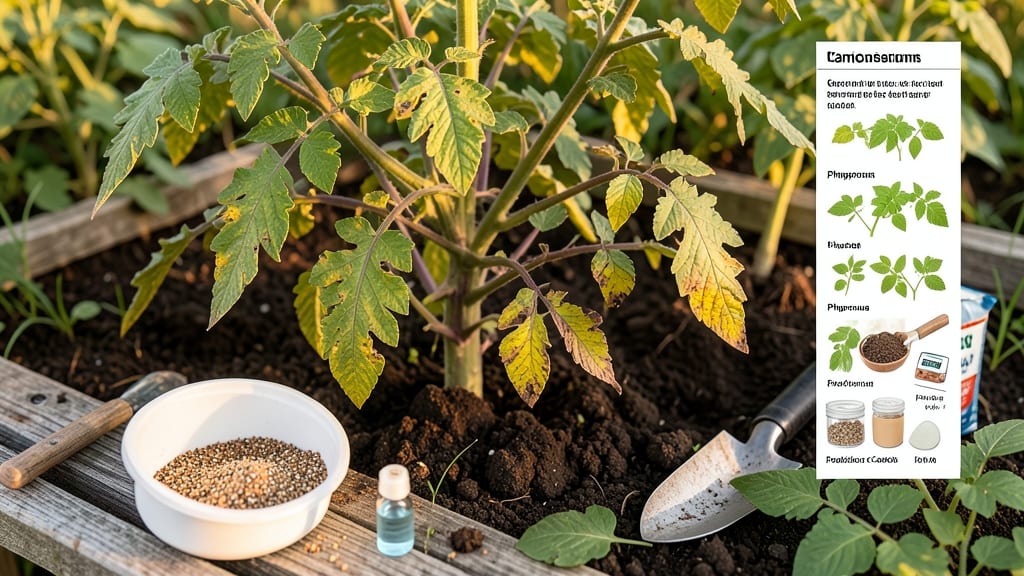
Your tomato plants are screaming for help through their leaves—and you just need to learn their language. 🌱 Yellowing edges, purple stems, or stunted growth aren’t just random bad luck; they’re nutrient deficiencies begging for a fix before your harvest suffers.
I’ve spent years decoding these silent SOS signals, and the solutions are simpler than you’d think.
Most problems start in the soil, where imbalances of nitrogen, potassium, or magnesium create telltale patterns. A simple soil test (or even a DIY at-home kit) reveals what’s missing, and the fixes—like compost, wood ash, or Epsom salt—take just minutes.
The key is acting fast: once leaves crinkle or fruit stays small, the plant’s already diverting energy from your dinner table.
By the time you spot these clues, you’ll know exactly which amendment to grab and how to apply it without burning roots. Purple undersides? Potassium. Yellow between veins?
Magnesium. Weak stems? Nitrogen. Each deficiency has a signature, and once you recognize them, your tomatoes will rebound with healthier foliage and bigger fruit in weeks.
This isn’t about guessing—it’s about reading the plant’s symptoms like a map. Preventive care (like mulching and balanced fertilizing) keeps deficiencies from showing up in the first place. Let’s turn those warning signs into a roadmap for a bountiful harvest.
Why it happens
H2: Root Causes of Tomato Troubles
Tomato plants are like culinary superstars—vibrant, productive, and full of flavor—but even the best performers can hit a rough patch. When your plants start showing signs of distress, it’s often a cry for help from their roots, soil, or environment.
Understanding the why behind these deficiencies is half the battle. Let’s dig into the science and uncover the real culprits behind your tomato plant’s struggles.
---
Tomatoes thrive when their soil is a balanced buffet of essential nutrients, but too much or too little of any ingredient can throw the whole dish off. Here’s the breakdown:
- Nitrogen (N) Deficiency (Pale, Yellow Leaves) Nitrogen is the plant’s growth hormone—think of it as the fertilizer that fuels leafy greens and vigorous vines. When soil lacks nitrogen, older leaves turn pale yellow (a condition called chlorosis), while new growth stalls.
This often happens when: - Soil is overworked without replenishment (organic matter decomposes, leaching nutrients). - You’re overwatering, which flushes nitrogen out of the root zone. - Your soil is sandy or poorly structured, making nutrients inaccessible.
Pro Tip: 💡 Use a soil test kit to check nitrogen levels. Amend with compost, manure, or a balanced fertilizer (10-10-10) to restore balance.
- Potassium (K) Deficiency (Brown Leaf Edges) Potassium is the plant’s bodyguard—it regulates water uptake, disease resistance, and fruit quality. A deficiency shows up as brown, crispy edges on older leaves (called scorching).
Common triggers: - Over-fertilizing with nitrogen without balancing potassium. - Drought stress or poor drainage, which prevents roots from absorbing potassium. - High soil pH (alkaline conditions), which locks potassium out of the plant’s reach.
Fix It: 🌡️ Apply potassium sulfate or wood ash to acidic soils. Mulch with potassium-rich materials like banana peels or greensand.
- Magnesium (Mg) Deficiency (Interveinal Chlorosis) Magnesium is the star of chlorophyll production—when it’s missing, leaves develop yellow patches between veins (especially on older foliage).
This usually happens when: - Soil is high in calcium or potassium, which outcompetes magnesium. - You’re overusing lime, raising pH and reducing magnesium availability. - The plant is stressed from transplant shock or compacted soil.
Quick Solution: ✨ Sprinkle Epsom salt (magnesium sulfate) around the base of the plant and water it in. Repeat every 2–4 weeks.
- Calcium (Ca) Deficiency (Blossom End Rot) Calcium is the structural backbone of cell walls, especially in fruits. When young tomatoes develop black, sunken spots at the blossom end, it’s a classic sign of calcium deficiency.
Causes include: - Inconsistent watering (dry spells followed by heavy watering). - Cool soil temperatures (below 60°F/15°C), which slows calcium uptake. - Poor root development from overcrowding or root damage.
Prevent It: 💪 Use calcium nitrate or crushed eggshells as a soil amendment. Keep soil moist but not soggy and avoid over-fertilizing with nitrogen.
---
Tomatoes are thirsty but finicky—they need consistent moisture to absorb nutrients, but waterlogging or drought can derail their health.
- Overwatering (Root Rot & Nutrient Leaching) When soil stays waterlogged, roots suffocate from lack of oxygen, leading to: - Yellowing leaves (but soft and mushy to the touch). - Stunted growth or wilting despite wet soil. - Fungal infections like Phytophthora, which clogs roots.
Solution: 🔥 Improve drainage with organic matter (compost or perlite). Water deeply but infrequently (1–2 inches per week) and avoid overhead sprinkling.
- Underwatering (Stress & Nutrient Lockout) Drought stress forces plants to conserve water, which: - Slows nutrient uptake, causing leaf curling and yellowing. - Triggers blossom drop (flowers fall off before fruiting). - Weakens stems, making plants prone to snapping.
Fix It: 🌱 Use drip irrigation or soaker hoses to deliver water directly to roots. Mulch with straw or wood chips to retain moisture.
---
Tomatoes are warm-season lovers, but extreme conditions can throw them into a tailspin.
- Temperature Swings (Poor Pollination & Fruit Set) - Too Hot (>90°F/32°C): Flowers drop off (a condition called heat stress), and new leaves cup or scorch. - Too Cold (<50°F/10°C): Growth stalls, and leaves develop purple or bronze hues (a sign of phosphorus deficiency triggered by stress).
Adjust It: 🌿 Provide shade cloth during heatwaves. Use row covers for early-season protection. Plant in full sun but with afternoon shade in scorching climates.
- Light Deficiency (Leggy, Weak Plants) Tomatoes crave sunlight—without enough (6–8 hours of direct sun), they: - Stretch and weaken (etiolation). - Develop small, pale leaves. - Produce fewer fruits.
Boost Light: ✨ Prune nearby shade trees or relocate containers to sunnier spots. Use reflective mulch (like aluminum foil) to bounce light onto plants.
---
Not all tomato troubles come from nutrient gaps—pests and diseases can mimic deficiencies by sapping resources.
- Aphids & Spider Mites (Sap-Sucking Bandits) These pests drink plant sap, causing: - Yellowing or curled leaves. - Stunted growth (as the plant diverts energy to recovery). - Sticky residue (honeydew) on leaves.
Combat Them: 🔪 Blast off with a strong spray of water or use neem oil for organic control.
- Fungal Infections (Powdery Mildew, Early Blight) Fungi like powdery mildew (white, powdery spots) or early blight (concentric brown rings) block nutrient absorption by damaging leaves. Overhead watering and humid conditions fuel these issues.
Prevent Outbreaks: 🌡️ Space plants for airflow, water at the base, and apply copper fungicide preventatively.
---
Quick Fixes for Tomato Troubles
Tomato plants are tough, but even the hardiest ones need a little help when deficiencies strike. The good news? Most issues have simple, effective fixes—you just need to know what to do (and when).
Below, we’ll map the most common leaf color clues to their solutions, so you can get your plants back on track fast. Plus, we’ll share prevention tips to keep future harvests healthy and thriving!
---
Cause: Pale, yellowing leaves (especially older ones) mean your tomatoes are hungry for nitrogen, the building block of lush foliage. Fix It Fast: 🔹 🍳 Feed with a balanced fertilizer (10-10-10 or 5-5-5) or an organic option like composted manure, fish emulsion, or coffee grounds. 🔹 👨🍳 Side-dress plants with a thin layer of compost or a slow-release nitrogen pellet (like Osmocote) near the roots. 🔹 🥘 Water deeply after fertilizing to help nutrients absorb.
Prevent It: ✨ Test your soil before planting—most garden soils are nitrogen-poor. Amend with compost or aged manure in the fall. 🌡️ Rotate crops—don’t plant tomatoes in the same spot yearly (they deplete nitrogen).
---
Cause: Deep purple or red hues on stems and leaf undersides signal phosphorus deficiency, which stunts root and flower growth. Fix It Fast: 🔹 📊 Use a phosphorus-rich fertilizer like bone meal (5-10-0) or a tomato-specific blend (e.g., 5-10-10). 🔹 🥗 Mix a weak solution of liquid fish emulsion (high in phosphorus) and water (1 tbsp per gallon), then water at the base. 🔹 🔪 Prune aggressively—stressed plants waste energy. Trim suckers and yellow leaves to redirect growth.
Prevent It: 🎯 Add compost or well-rotted manure to the soil before planting—phosphorus binds to soil, so prepping early helps. 💪 Avoid overwatering—phosphorus leaches out in soggy soil.
---
Cause: Interveinal chlorosis (yellowing between veins) often means magnesium (Epsom salt fix) or potassium (banana peel fix) deficiency. Fix It Fast: 🔹 🔥 For magnesium: Mix 1 tbsp Epsom salt (magnesium sulfate) per gallon of water and spray on leaves (or drip at the base). Do this every 2 weeks until leaves green up. 🔹 🍌 For potassium: Bury banana peels near roots (they’re potassium gold!) or use a low-potassium fertilizer (like 0-0-52). 🔹 🌡️ Balance soil pH—magnesium absorbs better in slightly acidic soil (6.0–6.8).
Prevent It: ✨ Use wood ash (sparingly) to boost potassium—sprinkle lightly around plants. 🎯 Mulch with grass clippings—they’re a natural potassium source.
---
Cause: Blossom-end rot (dark, sunken spots on fruit) or crinkled new leaves = calcium deficiency, often from poor water absorption or high soil acidity. Fix It Fast: 🔹 🍳 Use crushed eggshells—bake and grind eggshells, then sprinkle around the base. Calcium will leach into the soil over time. 🔹 🥘 Water deeply and consistently—calcium moves with water, so drip irrigation or soaker hoses help more than sporadic watering. 🔹 🔪 Avoid over-fertilizing with nitrogen—it can block calcium uptake.
Prevent It: 💡 Add gypsum (calcium sulfate) to soil before planting—it’s cheap and effective. 🌡️ Keep soil pH between 6.0–6.8—calcium is less available in acidic soil.
--- If your tomato is past saving (e.g., yellowing stems, no new growth), don’t waste time—prune it back hard and focus on new plants. Sometimes, replanting in fresh, amended soil is the fastest fix.
--- Pro Tip: 💡 Always water at the base (not leaves) to prevent fungal issues that worsen deficiencies. And rotate fertilizers—don’t rely on one type long-term!
With these fixes, your tomatoes should bounce back in 2–4 weeks. Happy growing—and may your harvest be big, red, and deficiency-free! 🍅🌱
Frequently asked questions
Why do my tomato leaves turn yellow first on the older ones?
This classic sign points to nitrogen deficiency—the plant pulls nutrients from older leaves to fuel new growth. Check if your soil is sandy or if you've been overwatering (which flushes nitrogen away). Fix it by adding compost or a balanced fertilizer (10-10-10) and watering deeply after application.
What causes brown crispy edges on tomato leaves?
Those brown leaf edges are a potassium deficiency symptom, often called "scorching." Common triggers include over-fertilizing with nitrogen, drought stress, or alkaline soil. Try potassium sulfate or wood ash (for acidic soils) and mulch with banana peels to boost potassium naturally.
How do I fix yellow patches between leaf veins?
This interveinal chlorosis usually means magnesium deficiency. Mix 1 tablespoon Epsom salt per gallon of water and spray on leaves every 2 weeks. For potassium issues (similar symptoms), bury banana peels near roots or use a potassium-rich fertilizer like greensand.
Why do my tomato fruits get black bottoms?
Those black sunken spots are classic blossom-end rot, caused by calcium deficiency from inconsistent watering or cool soil. Use crushed eggshells or calcium nitrate, and water deeply with drip irrigation to keep soil moisture even. Avoid over-fertilizing with nitrogen, which blocks calcium uptake.
Can I use household items to fix tomato deficiencies?
For magnesium, Epsom salt works wonders. For potassium, bury banana peels or use wood ash (sparingly). For calcium, crushed eggshells are perfect. Just avoid overdoing it—organic amendments should be used in moderation to prevent nutrient imbalances.