
Pests and Diseases
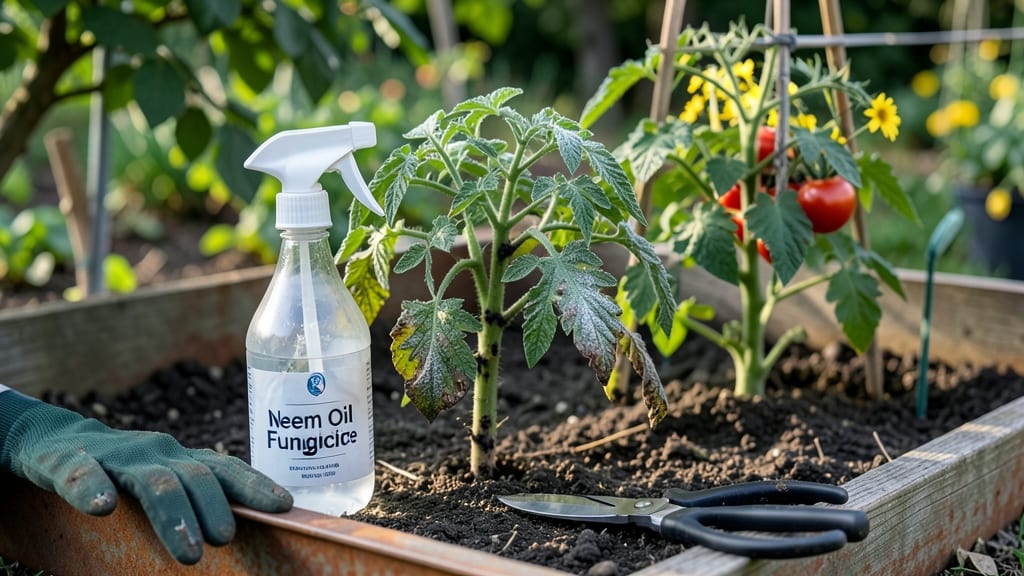
Your tomato plants are turning into a sad, spotted mess—and I’ve been there. 🌱 A simple tomato plant disease treatment can save them before the damage spreads. Early blight, late blight, bacterial spots—they all start with those first ugly marks on leaves, then creep into the fruit.
But here’s the good news: most of these diseases can be stopped (or at least slowed) with simple, organic fixes before they ruin your harvest.
The key is catching them early. I’ve saved plants with just baking soda sprays, copper fungicides, and better airflow—no harsh chemicals needed. Even my worst blight outbreaks turn around when I act fast.
The trick is knowing which disease you’re dealing with (yes, they look different) and which remedy works best for each.
By the end of this, you’ll spot the warning signs before they spread, prune like a pro, and use treatments that actually work—so your tomatoes stay healthy and your garden stays productive. No more wilting disappointment at harvest time.
We’ll cover the most common diseases, how to tell them apart, and the exact steps to stop them in their tracks—without losing your whole crop. Let’s get those plants back to thriving.
Root Causes of Tomato Ailments
Tomato plants are resilient, but they’re not invincible. When diseases strike, it’s usually because their natural defenses are overwhelmed by environmental stress, microbial invaders, or poor growing conditions. Understanding the why behind these issues is the first step to prevention—and organic treatment.
Below, we break down the most common culprits behind tomato plant diseases, from fungal infections to bacterial attacks, and even physiological disorders.
Fungi thrive in moist, warm conditions and can spread rapidly if left unchecked. These pathogens often enter through wounds, leaves, or even the soil, causing spots, wilting, or rotting.
🍅 Early Blight (Alternaria solani)
This fungal disease starts with small, concentric brown spots on lower leaves, often with yellow halos. Over time, the spots expand, and the plant’s ability to photosynthesize weakens.
- Why it happens: Spores survive in soil and plant debris from previous seasons. Warm, humid weather (70–85°F) and poor air circulation create the perfect breeding ground. Overhead watering spreads spores from infected leaves to healthy ones.
- Key trigger: Crowded plants or dense foliage trap moisture, giving fungi a foothold.
🍅 Late Blight (Phytophthora infestans)
The infamous late blight is a destructive downy mildew that causes rapid leaf collapse, blackened stems, and fruit rot. It’s the same pathogen that caused the Irish Potato Famine.
- Why it happens: This fungus thrives in cool, wet conditions (50–77°F with high humidity). Spores spread via wind, water, or contaminated tools. Unlike early blight, late blight can strike any part of the plant, including fruit.
- Key trigger: Poor drainage or waterlogged soil encourages spore germination.
🍅 Powdery Mildew (Oidium spp.)
A white, powdery coating on leaves that stunts growth and reduces yields. While less aggressive than blight, it weakens plants, making them susceptible to secondary infections.
- Why it happens: This fungus loves dry heat (75–85°F) but still needs moisture to spread. It often appears when plants are stressed from drought or nutrient deficiencies.
- Key trigger: Low humidity during the day with dew or high humidity at night creates ideal conditions.
Bacteria enter through wounds, insect damage, or even splashing water. Once inside, they multiply quickly, clogging plant vessels and causing wilting, oozing lesions, or vascular discoloration.
🍅 Bacterial Spot (Xanthomonas perforans or Pseudomonas syringae)
Tiny, water-soaked spots with dark centers appear on leaves and fruit. Severe cases lead to defoliation and fruit scarring.
- Why it happens: Bacteria survive in plant debris and water. They spread via rain, wind, or contaminated pruning tools. Warm, wet weather (75–90°F) accelerates outbreaks.
- Key trigger: Overhead irrigation or monsoon-like downpours create the perfect conditions for splash dispersal.
🍅 Bacterial Wilt (Ralstonia solanacearum)
A devastating vascular disease that causes sudden wilting, even in well-watered plants. The plant may appear healthy until it collapses within days.
- Why it happens: This bacterium lives in soil and water for years. It enters through roots or wounds, then clogs the plant’s xylem (water transport system). Hot, humid conditions (80–95°F) speed up its spread.
- Key trigger: Contaminated soil or infected transplants introduce the pathogen.
Not all tomato diseases are caused by pathogens. Sometimes, the problem is environmental—poor growing conditions that weaken plants and make them vulnerable.
☀️ Heat Stress & Sun Scorch
Bleached, crispy patches on fruit or leaves, often on the side exposed to the sun. This isn’t a disease but a physiological response to extreme heat.
- Why it happens: When temperatures exceed 90°F, photosynthesis slows, and cells lose moisture faster than roots can replace it. Young plants or those recovering from transplant shock are most at risk.
- Key trigger: Inadequate shade, poor soil moisture retention, or sudden heatwaves.
💧 Overwatering & Poor Drainage
Yellowing leaves, root rot, or stunted growth can signal waterlogged soil. Unlike drought stress, overwatering suffocates roots and invites fungal invaders.
- Why it happens: Compacted or clay-heavy soil traps excess moisture, cutting off oxygen to roots. Fungi like Phytophthora thrive in these conditions.
- Key trigger: Frequent watering without checking soil moisture or containers without drainage holes.
🍄 Nutrient Deficiencies or Imbalances
Yellowing between leaf veins (chlorosis) or purple stems can signal nutrient issues, weakening the plant’s immune response.
- Why it happens: Tomato plants need a balanced diet of nitrogen, phosphorus, and potassium. Deficiencies (especially magnesium or calcium) make them more susceptible to diseases like blossom end rot or early blight.
- Key trigger: Over-fertilizing with nitrogen (promoting leafy growth at the expense of fruit) or poor soil structure.
Some pests don’t just damage plants—they spread diseases. Aphids, flea beetles, and even snails can transmit fungal spores or bacterial cells from infected to healthy plants.
- Why it happens: Insects feed on plant sap, weakening tissues and creating entry points for pathogens. For example, aphids excrete honeydew, which fosters sooty mold—a fungal growth that blocks sunlight.
- Key trigger: Uncontrolled pest populations or late-season infestations when plants are already stressed.
Quick Fixes for Tomato Plant Ailments
Tomato plants can fall victim to a variety of diseases, but the good news is that many issues have effective, organic solutions—no harsh chemicals required!
Below, we’ve mapped common problems to step-by-step fixes, along with prevention tips to keep your plants thriving. Let’s get your tomatoes back in fighting shape!
Cause: Alternaria solani fungus thrives in warm, humid conditions, creating concentric rings on leaves.
🔥 Fix It Fast:
- Prune & Toss 🔪
- Snip off infected leaves (including stems) and dispose of them in the trash (not compost). Fungal spores can linger in compost piles!
- Copper Fungicide Spray 💦
- Mix 1 tablespoon of copper sulfate (or a ready-made organic fungicide) with 1 gallon of water. Spray early in the morning on both leaf surfaces. Reapply every 7–10 days until new growth appears.
- Improve Airflow 🌬️
- Space plants 18–24 inches apart and stake them to prevent overcrowding. Good airflow reduces humidity, slowing fungal growth.
💡 Prevention Pro Tips:
- Rotate crops: Avoid planting tomatoes (or nightshades like peppers/eggplants) in the same spot for 3–4 years.
- Mulch wisely: Use straw or grass clippings (not wood chips) to keep soil moist but not soggy.
- Water at the base 💧—never overhead—to keep leaves dry.
Cause: Phytophthora infestans, a devastating fungus that spreads rapidly in wet conditions, causing greasy-looking spots that turn brown and mushy.
🍳 Urgent Action Steps:
- Remove All Infected Plants ⚠️
- Late blight spreads fast. Pull up and destroy (burn or bag) infected plants to prevent contagion.
- Baking Soda Spray 🧂
- Mix 1 teaspoon baking soda, 1 tablespoon vegetable oil, and 1 teaspoon mild soap in 1 gallon of water. Spray every 5–7 days to create an unfriendly environment for spores.
- Drain & Dry 🌧️→🌞
- Ensure proper drainage in containers or raised beds. If your garden floods often, elevate soil with compost or sand.
🌡️ Prevention for Next Season:
- Choose resistant varieties: Look for tomatoes labeled "resistant to late blight" (e.g., ‘Mountain Merit’ or ‘Defiant PhR’).
- Avoid nighttime watering: Water before 10 AM so leaves dry by evening.
- Crop rotation is non-negotiable: Wait 4 years before replanting tomatoes in the same spot.
Cause: Septoria lycopersici fungus creates tiny dark spots with yellow halos, weakening plants over time.
👨🍳 Step-by-Step Treatment:
- Clean Up Debris 🧹
- Remove all fallen leaves and prune infected foliage down to healthy tissue.
- Neem Oil Spray 🌿
- Combine 1 tablespoon neem oil, 1 teaspoon mild soap, and 1 quart of water. Spray weekly for 3–4 weeks to disrupt fungal growth.
- Boost Plant Health 💪
- Feed with compost tea or a balanced organic fertilizer (like 5-5-5) to strengthen immunity.
✨ Prevention Checklist:
- Sterilize tools: Wipe pruners with rubbing alcohol between uses.
- Space plants properly: Aim for 24–36 inches apart for airflow.
- Avoid overhead irrigation: Use drip systems or soaker hoses.
Cause: Oidium fungus coats leaves in white powder, blocking sunlight and stunting growth.
🥘 Simple Remedies:
- Horticultural Oil Spray 🛡️
- Apply organic oil spray (like Neem Oil) every 7–10 days until mildew disappears.
- Baking Soda Mix (Again!) 🧂
- Spray 1 teaspoon baking soda + 1 quart water + a drop of soap weekly to raise leaf pH and deter spores.
- Reflective Mulch Hack 🪞
- Lay white plastic mulch or aluminum foil around plants to reflect sunlight, reducing humidity near leaves.
🎯 Prevention Tips:
- Plant in full sun: Powdery mildew loves shade—aim for 6+ hours of sunlight daily.
- Resistant varieties: Try ‘Dr. Wyche’s’ or ‘Mr. Stripey’ tomatoes.
- Prune for sunlight: Keep lower leaves trimmed to improve airflow.
Cause: Xanthomonas bacteria create water-soaked spots that ooze and spread quickly.
⏰ Fast-Track Fix:
- Copper Soap Spray 🧼💦
- Mix 1 tablespoon copper sulfate + 1 teaspoon soap + 1 gallon water. Spray every 5 days until no new spots appear.
- Surgical Pruning 🩺
- Cut off only the most infected leaves—don’t over-prune, as it stresses the plant.
- Sanitize Everything 🧼
- Wash hands, tools, and containers with soapy water after handling infected plants.
🔥 Prevention for Future Gardens:
- Rotate crops aggressively: Wait 5+ years before replanting tomatoes in the same area.
- Use pasteurized soil: Solarize soil in summer or bake it at 180°F for 30 minutes to kill bacteria.
- Avoid overhead watering: Stick to drip irrigation or hand-watering at the base.
Final Thought: Most tomato diseases are manageable with early action—focus on cleanliness, airflow, and organic sprays to keep your plants happy and productive. 🌱🍅 Your next harvest is just around the corner!
Frequently asked questions
Can I use the same organic sprays for all tomato diseases?
Not all organic treatments work equally well for every disease. Copper sprays help with fungal issues like early blight and bacterial spot, while baking soda works best for powdery mildew. For bacterial wilt or late blight, prevention (like crop rotation) is critical—once these diseases take hold, organic sprays often fail to stop them completely.
How often should I spray my tomato plants to prevent diseases?
For prevention, spray every 7–14 days with organic fungicides like neem oil or copper solutions. If you see early signs of disease, increase frequency to every 5–7 days until the problem clears. Always spray in the morning so leaves have time to dry—wet foliage at night invites fungal growth.
What’s the best way to tell if my tomato plant has a fungal or bacterial infection?
Check the symptoms: Fungal diseases (like early blight or powdery mildew) often show up as spots with defined edges or powdery coatings. Bacterial infections (like bacterial spot) create water-soaked, oozing lesions. Another clue? Fungal issues spread slower and respond better to copper sprays, while bacterial diseases require more aggressive sanitation.
Is it safe to compost tomato plant debris after treating diseases?
Never compost infected plant material—fungal spores and bacteria can survive and reinfect your garden. Instead, burn or bag diseased debris in sealed trash bags. For severe cases like late blight, dispose of infected plants in the trash to prevent soil contamination.
Can I still harvest tomatoes from plants with disease?
It depends on the disease. For fungal issues like early blight, you can still harvest fruit from healthy-looking branches. With bacterial spot, remove infected fruit immediately, but healthy tomatoes are usually safe to eat. Late blight is the exception—never harvest from infected plants, as the spores can contaminate the fruit.