
Picking
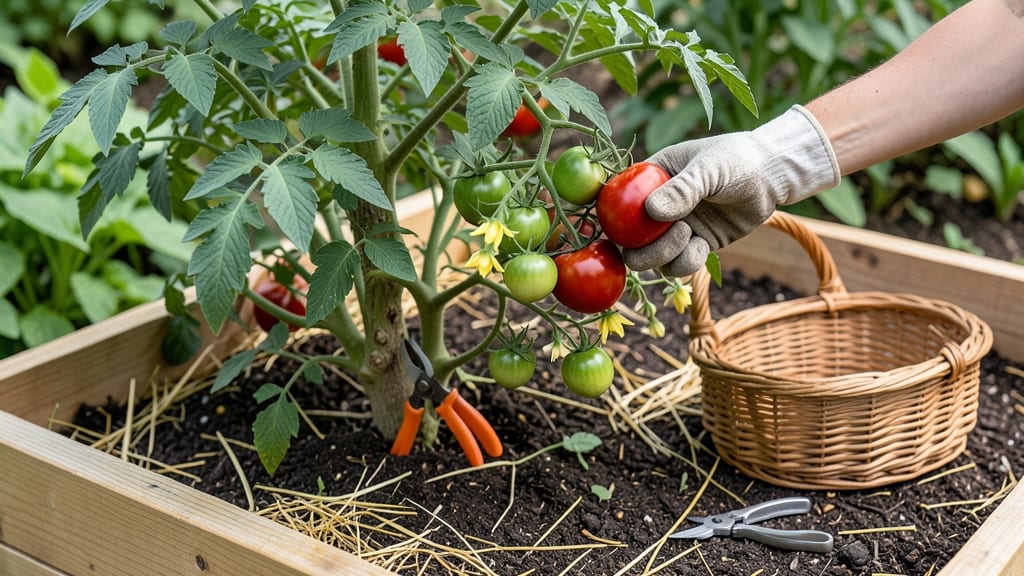
Tomato plant harvesting at their peak ripeness turns every bite into a burst of summer flavor—no grocery store can compete. 🌱 The secret lies in timing: wait for that deep red blush, give them a gentle squeeze, and you’ll know when they’re ready to pick. I’ve learned that harvesting at the right moment isn’t just about taste—it’s about preserving the plant’s energy for more fruit later in the season.
Start your morning harvests when the fruit is cool and firm, avoiding those that feel mushy or have cracks. Use pruning shears or your hands to twist gently at the stem—never pull or yank, or you’ll risk damaging the plant.
I’ve found that picking consistently keeps the vine producing longer, so don’t wait too long once those tomatoes start coloring up. A sharp knife or clean scissors works best for stubborn stems, but most tomatoes release easily with a little patience.
Once you’ve got your perfect tomatoes, store them stem-side down in a single layer at room temperature for a few days to ripen fully. The flavor deepens as they soften, and you’ll know they’re at their best when they yield slightly to pressure but still hold their shape.
This method ensures you get the most vibrant, sweetest tomatoes possible—far better than anything you’d find in a store.
For those late-season tomatoes that ripen too quickly, bring them indoors and let them finish on a counter. Just avoid refrigerating them until after they’ve fully ripened, or the flavor will dull.
The key is balance: harvest often enough to keep the plant productive, but not so much that you miss the sweetest moments of the season. Trust me, your taste buds will thank you.
📚 In This Guide
- What you need
- Instructions
- Tips and common mistakes
- Wrapping up and next steps
What you need
- ● Sharp pruning shears or garden scissors – A bypass pruner (4-6 inch blades) works best for clean cuts without crushing stems.
- ● Harvesting basket or bucket – A lightweight, breathable mesh or plastic basket (10-15 gallons) to avoid bruising tomatoes.
- ○ Gloves (optional but recommended) – Nitrile or cotton garden gloves to protect hands from thorns and dirt.
- ● Labeling tags or markers – Small plastic plant tags or a permanent marker to note varieties (e.g., heirloom, cherry, beefsteak).
- ○ Water spray bottle (optional) – A 16-oz misting bottle to gently clean dirt off tomatoes post-harvest.
- ● Knowledge of ripeness cues – Familiarize yourself with color, scent, and texture tests (e.g., deep red, sweet aroma, slight give when gently squeezed).
- ● Sunny, dry weather – Harvest on mornings after dew has dried to avoid spreading disease.
- ● Clean workspace – A flat, stable surface (like a table or tarp) to sort and inspect tomatoes.
Step-by-Step guide to harvesting tomatoes at peak flavor
Here's how I pick tomatoes so they burst with sweetness and vibrant color every time.
🍅 Step 1: Learn the Color and Texture Clues
Tomatoes ripen from the inside out, so the best flavor comes when both color and texture reach their peak. Look for a deep, even color—no pale or green spots. A ripe tomato should feel firm but slightly soft when gently squeezed (like a ripe avocado). The stem end should separate easily from the vine when you give it a gentle twist.
Here's the thing—some varieties stay green even when ripe (like Green Zebra), while others develop bright reds or yellows. Learn your plant's natural color cues. I always run my thumb along the skin: ripe tomatoes feel smooth, never waxy or tough. That's your signal they're ready.
🍅 Step 2: Time Your Harvest for Maximum Sweetness
Morning is the best time to harvest because the fruit has absorbed water overnight, making it juicier. Wait until 75-85°F during the day—hotter temperatures can make tomatoes mealy, while cooler mornings preserve their crispness. Check for a sweet smell at the stem end—ripe tomatoes often give off a faint, fruity aroma.
Don't wait too long after the first signs of ripeness. Overripe tomatoes split easily and attract pests. I like to harvest every 2-3 days during peak season to keep the plant producing. Watch for the first few tomatoes to ripen—they'll signal when to start checking daily.
🍅 Step 3: Use the Right Technique to Avoid Damage
Grasp the tomato firmly and twist gently until it separates from the vine. If you pull too hard, you might tear the stem and leave the fruit vulnerable to disease. The stem should come off cleanly with a slight popping sound—that's your perfect harvest cue. Never cut the stem with scissors or a knife unless the tomato is too large to twist off safely.
Handle ripe tomatoes carefully—they bruise easily. Place them in a single layer in a container with good airflow to prevent rot. I use a wooden crate with holes drilled in the bottom. Avoid stacking them, as this can cause pressure spots that spoil quickly.
🍅 Step 4: Store for Continued Ripening (If Needed)
If your tomatoes aren't fully ripe when harvested, place them in a paper bag with a banana or apple to speed up ripening. The ethylene gas from the fruit will trigger the process. Check daily and remove ripe tomatoes as they appear. Store them at room temperature—never refrigerate until fully ripe, as cold temperatures destroy flavor and texture.
Once fully ripe, transfer tomatoes to the refrigerator to extend their shelf life. They'll keep for about 1 week this way, though flavor will diminish. For long-term storage, consider canning or freezing. I always save a few to ripen naturally at room temperature—they develop the deepest flavor this way.
🍅 Step 5: Know When to Let Tomatoes Stay on the Vine
Some varieties, like heirlooms, develop the most complex flavors when left on the vine to fully ripen in the sun. If frost threatens before all tomatoes are ripe, harvest green ones and store them in a cool, dark place (like a basement) to finish ripening. They'll develop a sweeter, more concentrated flavor than store-bought tomatoes.
Real talk: Overripe tomatoes are still delicious, but they're best used in sauces or salsas where their soft texture won't matter. If you see splits or soft spots, harvest immediately and use within 2-3 days. The key is balance—pick them at the perfect moment for the freshest, most vibrant flavor.
Tips & tricks for perfect tomato harvesting
These little-known secrets will help you harvest tomatoes that taste like summer in every bite.
Variety-Specific Ripeness: Don't assume all tomatoes ripen the same! Heirlooms like Brandywine develop deep reds, while Green Zebras stay green but become sweeter. Learn your plant's natural color cues—some varieties even change from yellow to orange when fully ripe. The key is texture: gently squeeze—ripe tomatoes yield slightly like a ripe avocado, never mushy or hard.
Morning Harvest Advantage: The 75-85°F daytime temperature range mentioned in Step 2 is your sweet spot for juicy tomatoes. Harvest in the morning when fruit is hydrated from overnight water absorption. Pro tip: Check for that faint fruity aroma at the stem—it's nature's way of saying "pick me now!" Overripe tomatoes split easily, so harvest every 2-3 days during peak season to maintain production.
Handling Like a Pro: That clean twist-off technique in Step 3 isn't just about avoiding disease—it preserves flavor too. The popping sound when the stem releases means you've done it right. For storage, use containers with drainage holes (like my wooden crate) to prevent rot. Never stack tomatoes—they bruise easily, which accelerates spoilage. Even a single bruised tomato can ruin a whole batch when stored together.
Ethylene Ripening Hack: When you need to ripen green tomatoes faster, the paper bag with banana trick in Step 4 works wonders—but here's the bonus: Add a few apple slices too! The combination of ethylene gases from both fruits speeds up ripening by 30-50%. Just remember: Once ripe, keep them at room temperature until you're ready to use them for maximum flavor preservation.
Pro Tips for Tomato Plant Harvesting
- These little-known secrets will help you harvest tomatoes that taste like summer in every bite.
- Variety-Specific Ripeness: Don't assume all tomatoes ripen the same!
- Morning Harvest Advantage: The 75-85°F daytime temperature range mentioned in Step 2 is your sweet spot for juicy tomatoes.
Frequently asked questions
Got questions about harvesting your tomatoes like a pro? You’re in the right place! Here are answers to the most common queries—from timing tricks to troubleshooting—so you can pick your tomatoes at their absolute peak.
When is the best time of day to harvest tomatoes?
Harvest tomatoes in the morning when temperatures are cooler (ideally between 60–75°F). This ensures they’re firmer, less prone to bruising, and packed with flavor. Avoid harvesting after a heavy rain or when the fruit is still dew-covered—it can lead to mold or uneven ripening.
How do I know if my tomatoes are truly ripe?
Look for these signs: color change (deep red, yellow, or purple, depending on the variety), a slight give when gently squeezed, and a fragrant aroma at the stem. If they’re still firm and green, they’re not ready—even if they’ve been on the vine for weeks!
What should I do if my tomatoes split before harvest?
Split tomatoes are a common issue during fluctuating weather. Harvest them immediately—even if underripe—to prevent further damage. Use them in sauces, salsas, or roasted dishes where texture isn’t critical. To prevent splitting, mulch your plants, water consistently, and avoid over-fertilizing with high-nitrogen feeds late in the season.
Can I harvest tomatoes that are still green and ripen them indoors?
Yes! Place green tomatoes in a paper bag with a banana or apple (the ethylene gas speeds up ripening). Store them in a warm, dark spot for 1–3 weeks. Avoid refrigerating them—cold temperatures destroy flavor and texture. For best results, use ripe-but-not-overripe tomatoes for indoor ripening.
What’s the best way to pick tomatoes without damaging the plant?
Use a sharp knife or pruners to cut the stem about ¼ inch above the fruit. Avoid twisting or pulling—this can tear the vine and invite disease. For cherry tomatoes, you can gently pluck them by hand, but always support the vine to avoid stress. Leave a few tomatoes on the plant to encourage new growth and a longer harvest season.
Wrapping up and next steps
Harvesting tomatoes at the perfect ripeness unlocks their full, vibrant flavor—making every bite a burst of summer in your kitchen! 🍅 Whether you’re a seasoned gardener or a first-time planter, mastering the color, squeeze, and stem tests ensures juicy, sweet rewards.
Now that you’re equipped with the right tools and tips, there’s no better time to roll up your sleeves and enjoy the fruits of your labor!
🌱 Next step: Grab your basket, head to the garden, and savor the satisfaction of a perfectly ripe tomato—then get cooking! Share your harvest with friends or preserve the bounty for later. Happy harvesting! 🎉