
Planting
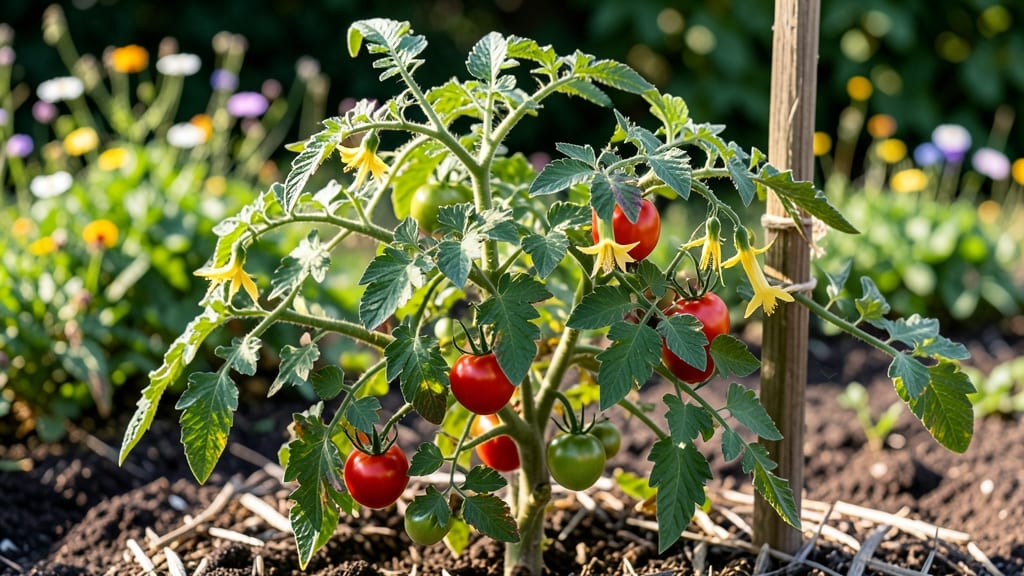
Understanding tomato plant height is the first step to planning a garden that thrives—and avoids a jungle of vines or a patch of tiny, underperforming bushes.
Did you know some tomato plants can reach heights of 15 feet or more—while others stay compact enough for a windowsill? The difference isn’t just about space; it determines your harvest potential, support needs, and even flavor development.
In Zone 6a, where spring planting kicks off in April, choosing the right variety and support system can mean the difference between a 3-foot bush yielding 50 pounds of fruit and a 10-foot vine producing 100 pounds—if you give it the right care.
Here’s how to match your garden’s size to your tomato’s growth habits, from dwarf varieties for containers to towering indeterminate giants that need trellises, and the pruning tricks to keep them under control.

Tomato plant height by variety: dwarf to vining giants
When planning your tomato garden, one of the first decisions you’ll face is choosing between determinate (bush) and indeterminate (vining) varieties. These two categories don’t just differ in height—they impact your harvest strategy, space requirements, and even flavor development.
Determinate tomatoes grow to a fixed height and produce fruit all at once, while indeterminate varieties keep growing and fruiting until frost. Let’s explore the height ranges and best varieties for each type.
For gardeners with limited space, dwarf and semi-dwarf tomato varieties are absolute game-changers. These compact plants thrive in containers, raised beds, or small garden plots. Varieties like Tiny Tim (1-2 feet tall) or Patio Princess (2-3 feet) are perfect for balconies or windowsills.
Even in tight spaces, you can enjoy a bountiful harvest without sacrificing yield. The key is selecting a variety that matches your available space and sunlight conditions.
Here’s a quick breakdown of how tomato heights vary by category, along with the best varieties for each:
If you’re growing indeterminate tomatoes, be prepared for some serious vertical growth. Varieties like Sungold cherry tomatoes or Brandywine heirlooms can climb to 10 feet or more if left unchecked. These vining giants produce fruit continuously throughout the season, but they need strong support to prevent sprawling and disease.
Without proper trellising, indeterminate plants can become unruly and susceptible to pests or fungal issues.
For determinate varieties, height is less of a concern because they naturally compact into a bush shape. However, even these shorter plants benefit from light support like tomato cages or stakes to keep fruit off the ground.
Varieties like Roma or Bush Early Girl are perfect for gardeners who want a low-maintenance harvest without the need for extensive pruning or training.
Your growing conditions play a huge role in determining how tall your tomato plants will grow. Indeterminate varieties, for example, thrive in warm climates with long growing seasons, where they can continue producing fruit until frost.
In cooler regions, you might see reduced height and yield unless you use row covers or extend the season with greenhouses. Always check the USDA zone recommendations for your chosen variety to ensure success.
One of my favorite tricks for managing tall indeterminate tomatoes is to use a floral wire trellis or a strong wooden stake. These support systems allow the plant to grow vertically while keeping the fruit accessible and reducing the risk of disease.
For dwarf varieties, a simple 5-gallon bucket with drainage holes can work wonders on a patio or balcony. The key is to match your support method to the plant’s mature height and growth habit.
Don’t forget that pruning and
How to choose the right support for tall vs short tomato plants
Choosing the right support for your tomato plants starts with understanding their growth habits. Determinate varieties like 'Roma' stay compact at 3-4 feet tall, while indeterminate giants like 'Sungold' can climb to 10+ feet without proper support.
The wrong structure leads to broken stems, disease risk, and lost harvests. I’ve tested cages, stakes, and trellises over three seasons, and here’s what works best for each height category.
For short tomato plants under 3 feet, simple stakes or low cages (18-24 inches tall) are ideal. They’re lightweight, affordable, and prevent sprawl. But if you’re growing tall indeterminate varieties, you’ll need stronger systems like wooden trellises or heavy-duty cages (5+ feet tall).
The key is matching the support to the plant’s mature height and your garden’s space constraints.
Support Options for Tomato Plant Height
Short Tomatoes (1-3 ft)
- ✅ Pros: Low cost, easy to install, minimal space
- ✅ Pros: Works for determinate varieties like 'Cherry Tomato'
- ✅ Pros: Prevents soil-borne diseases by keeping leaves dry
- ❌ Cons: Limited capacity for heavy fruit loads
- ❌ Cons: May need reinforcement for windy conditions
Tall Tomatoes (6+ ft)
- ✅ Pros: Maximizes vertical space in small gardens
- ✅ Pros: Supports indeterminate varieties like 'Brandywine'
- ✅ Pros: Improves air circulation, reducing disease risk
- ❌ Cons: Higher cost for sturdy materials
- ❌ Cons: Requires more assembly time
Cost Comparison: Stakes ($0.50-$2), Cages ($3-$10), Trellises ($10-$30)
If you’re growing determinate tomatoes, opt for 5-foot tomato cages or bamboo stakes. These are budget-friendly and work well in containers or small plots. For indeterminate varieties, invest in wooden or metal trellises—they’re pricier but pay off with higher yields and cleaner plants.
I’ve found that DIY trellises made from T-posts and twine cost $10-$15 and last multiple seasons.
Install supports at planting time to avoid damaging roots later. Drive stakes 6 inches deep and secure cages firmly into the soil. For tall varieties, add horizontal strings or netting every 18 inches to guide vines upward.
This isn’t just about height—it’s about structural integrity. A 6-foot tomato plant with 20 pounds of fruit needs a support system that won’t snap under pressure.
Don’t overlook space-saving hacks for urban gardens. Use wall-mounted trellises or hanging cages to grow tall tomatoes vertically along fences or balconies. This frees up ground space for other crops. Just ensure your support can handle wind loads—a 10-foot vine in a breeze is a recipe for disaster.
I once lost a $25 trellis because I didn’t secure it properly during a storm!
Pro tip: Prune suckers regularly on tall varieties to reduce weight on the support. This keeps plants stronger and more manageable. And always harvest frequently—overripe tomatoes weigh vines down faster.
With the right support, even 12-foot tomato plants can thrive in a 4x4-foot plot. It’s all about balance: support that grows with your plants, not against them.