
Plants
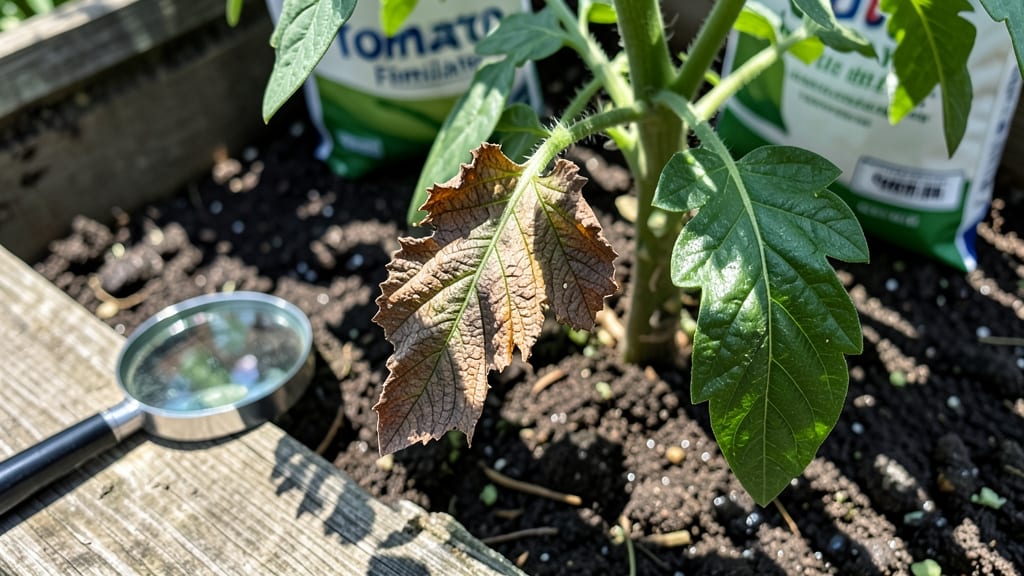
When your tomato plant leaves look burnt, it’s not just an aesthetic issue—it’s a clear SOS from your plants. 🌱 I’ve seen this happen when gardeners accidentally turn their tomato patch into a desert, whether from too much sun, overzealous fertilizing, or even hidden fungal sneaks.
The good news? Most fixes take less than an hour and can save your harvest before it even starts. First, check the edges: crispy brown spots on leaf tips mean sun scorch or over-fertilization, while yellow patches with black spots signal fungal issues.
Prune the worst damage immediately, then adjust watering to deep soaks twice a week—never let soil dry out completely. For fertilizer burns, flush the soil with water to dilute salts, and switch to organic options moving forward.
The real game-changer? Shade cloth during peak afternoon sun or mulching to keep roots cool. I’ve seen tomatoes bounce back in 7-10 days with these tweaks, and the key is acting fast before the problem spreads to fruit.
Think of it like a spa day for your plants—just what they need to recover.
Here’s the secret weapon: prevention. Space plants 18-24 inches apart for airflow, avoid overhead watering (it spreads disease), and never let fertilizer touch leaves. A balanced 10-10-10 ratio applied every 3 weeks keeps them happy without burning.
And if you spot white powdery mildew or black spots, grab a copper fungicide—it’s the fast track to recovery.
When to panic? If leaves curl and wilt suddenly or stems turn mushy, you’re dealing with blight or bacterial rot, and it’s time to call in reinforcements (or your local extension office).
Otherwise, most burnt-edge issues are quick fixes—just don’t ignore the warning signs. Your tomatoes will thank you at harvest time.
Root Causes Of Leaf Scorch
When your tomato plant’s leaves start looking like they’ve been kissed by a flame—edges crispy, brown, or even black—it’s usually a cry for help. Understanding the why behind this distress is the first step to saving your plants.
Let’s break down the most common culprits with clear, actionable science so you can diagnose and fix the problem fast.
Tomatoes are thirsty plants, but too much water can drown their roots, leading to oxygen deprivation and nutrient starvation. When roots suffocate, they struggle to absorb water and minerals efficiently, causing leaves to wilt and develop edge burn—a condition called physiological leaf scorch.
- Why it happens:
- Excess water forces oxygen out of soil pores, suffocating roots.
- Poor drainage (like heavy clay soil or compacted garden beds) traps water, worsening the issue.
- Overhead watering wets leaves, promoting fungal diseases (e.g., Phytophthora) that mimic burn symptoms.
- How to spot it:
- Yellowing leaves paired with mushy stems or foul-smelling soil.
- Wilting even when soil feels damp.
- Burnt edges on older leaves first (a sign of systemic stress).
- Quick fix:
- Let the top 1–2 inches of soil dry out between waterings.
- Improve drainage by amending soil with perlite, compost, or sand.
- Water at the base (not overhead) to avoid fungal spread.
Tomatoes love sunlight, but sudden heatwaves, reflective surfaces (like white walls or pavement), or high UV exposure can cause leaves to overheat and scorch. This is especially common in greenhouse-grown tomatoes or plants transitioning from shade to full sun.
- Why it happens:
- Direct sunlight heats leaves to 110°F+, breaking down cell membranes and causing oxidative stress.
- Reflective heat (e.g., from light-colored surfaces) acts like a magnifying glass, concentrating rays.
- Young, tender leaves are more vulnerable than mature ones.
- How to spot it:
- White or bleached patches (not brown) on leaf edges or surfaces.
- Scorch appears within hours of extreme heat, not days.
- Often affects upper leaves first (closest to the sun).
- Quick fix:
- Provide afternoon shade (use shade cloth or move pots to partial shade).
- Mulch with straw or wood chips to keep roots cool.
- Avoid planting near heat-reflective surfaces (like driveways or white fences).
Too much of a good thing—whether it’s over-fertilizing, using harsh pesticides, or even tap water with high salts—can leave your tomato leaves looking like they’ve been seared. This is chemical burn, and it’s often irreversible on affected leaves.
- Why it happens:
- High salt concentration (from fertilizers like synthetic nitrogen or tap water) draws moisture out of leaf cells via osmosis, causing dehydration.
- Pesticides or herbicides (especially those with copper, sulfur, or glyphosate) can damage leaf cuticles when sprayed directly.
- Over-application of compost or manure can create a "hot spot" of ammonia, burning roots and leaves.
- How to spot it:
- Burnt edges after recent feeding or spraying.
- White crust on soil surface (sign of salt buildup).
- Symptoms appear within 24–48 hours of treatment.
- Quick fix:
- Flush soil with water to dilute salts (let it run through for 10+ minutes).
- Switch to organic, slow-release fertilizers (like worm castings or fish emulsion).
- Always follow label rates for pesticides—dilute if needed.
While not always "burn," some pathogens mimic scorch symptoms by clogging leaf pores, disrupting water flow, or causing cell death. Common offenders include early blight, late blight, and bacterial spot.
- Why it happens:
- Early blight (Alternaria solani) thrives in warm, humid conditions, creating concentric brown spots that expand and merge, giving a burnt look.
- Late blight (Phytophthora infestans) causes oily, dark lesions that spread rapidly in wet weather.
- Bacterial spot (Xanthomonas) creates tiny, water-soaked spots that turn brown and crispy.
- How to spot it:
- Lesions on both leaf surfaces (late blight).
- Sticky, black bacterial ooze on undersides (bacterial spot).
- Remove
Tomatoes are tender perennials—they wilt or scorch when exposed to sudden temperature swings, cold drafts, or drying winds. This is common in early spring or late fall plantings or near HVAC vents.
- Why it happens:
- Hot, dry winds increase transpiration (water loss) faster than roots can replace it.
- Frost damage (even light frost) can cause blackened, crispy edges overnight.
- Burn appears
While less common, severe deficiencies in calcium, magnesium, or potassium can cause necrotic (dead) tissue that looks like burn. This is often called tip burn or blossom end rot’s leafy cousin.
- Why it happens:
- Magnesium deficiency (yellowing between leaf veins) can lead to brown, dead patches.
- Potassium deficiency (weak stems, poor fruit set) causes leaf margins to curl and scorch.
- Burn starts on
Fixing Burnt Tomato Leaves Fast
Now that you’ve identified the cause behind those crispy, brown-edged tomato leaves, it’s time to take action! The good news? Most issues are reversible with simple, targeted fixes.
Below, we’ve mapped out practical solutions for each common culprit—plus prevention tips to keep your plants thriving. Let’s get your tomato leaves looking lush again!
If your soil is soggy or waterlogged, roots suffocate, leading to nutrient starvation and leaf burn.
How to Fix It: 💧 Step 1: Let the Soil Dry Out
- Stop watering immediately and allow the top 1–2 inches of soil to dry completely (stick your finger in—if it’s damp, wait).
- Pro Tip: 🌡️ Use a moisture meter for accuracy, especially in heavy clay soils.
🔄 Step 2: Improve Drainage
- Amend the soil with perlite, sand, or compost (20–30% mix) to loosen compacted dirt.
- If potted, drill drainage holes in the bottom and use a cache pot (saucer with gravel) to prevent water pooling.
☀️ Step 3: Adjust Watering Habits
- Water deeply but infrequently—aim for 1–1.5 inches per week (adjust for rain).
- Water in the early morning to reduce evaporation and fungal risks.
🚫 Prevention:
- Use self-watering pots or drip irrigation for consistency.
- Choose well-draining soil mixes labeled for tomatoes.
Tomatoes love sun—but too much can fry leaves, especially in hot climates or after sudden heatwaves.
How to Fix It: 🌿 Step 1: Provide Shade Relief
- Install shade cloth (30–50%) for 2–4 hours during peak sun (10 AM–2 PM).
- Use mulch (straw or grass clippings) to cool soil and reflect heat.
💦 Step 2: Boost Hydration
- Increase watering frequency during heatwaves (but avoid wetting leaves to prevent disease).
- Use mulch rings around plants to retain moisture.
🌱 Step 3: Prune Strategically
- Trim lower leaves to improve airflow and reduce sun exposure to vulnerable foliage.
- Pro Tip: ✨ Avoid pruning during the hottest part of the day—do it in the early morning or evening.
🚫 Prevention:
- Plant tomatoes in partial shade (e.g., near taller crops like corn or under a trellis with dappled light).
- Choose heat-tolerant varieties like ‘Solar Fire’ or ‘Heatmaster.’
Over-fertilizing—especially with high salt or nitrogen—can scorch leaves and stunt growth.
How to Fix It: 🚰 Step 1: Flush the Soil
- Water the plant thoroughly with plain water to leach excess salts from the root zone.
- Repeat 2–3 times over a week.
🌱 Step 2: Switch to Gentle Fertilizers
- Use a balanced, organic fertilizer (5-5-5 or 10-10-10) diluted to half-strength.
- Pro Tip: 💡 Fish emulsion or compost tea are safer for recovery.
📅 Step 3: Adjust Your Schedule
- Fertilize every 4–6 weeks during growing season (spring–summer).
- Avoid fertilizing if leaves show burn—wait until new growth appears.
🚫 Prevention:
- Test soil pH (ideal: 6.0–6.8) before fertilizing—acidic or alkaline soil worsens burn.
- Use slow-release granules instead of liquid fertilizers for steady nutrition.
Spider mites, aphids, or fungal infections (like early blight) can create “burnt” spots by draining sap or blocking sunlight.
How to Fix It: 🕷️ Step 1: Identify the Culprit
- Pests? Check undersides of leaves for webs (mites), sticky residue (aphids), or holes (caterpillars).
- Disease? Look for yellow spots with brown edges (early blight) or black spots (septoria leaf spot).
💦 Step 2: Treat Accordingly | Problem | Solution | |-------------------|------------------------------------------------------------------------------| | Spider Mites | Spray with neem oil or water + dish soap (1 tsp per gallon).
Repeat weekly. | | Aphids | Blast off with water spray or use insecticidal soap. | | Early Blight | Apply copper fungicide or baking soda spray (1 tbsp baking soda + 1 quart water + drop of soap). | | Fungal Issues | Improve airflow with pruning and avoid overhead watering. |
🌿 Step 3: Strengthen the Plant
- Prune damaged leaves to redirect energy to healthy growth.
- Boost immunity with compost tea or kelp meal (rich in micronutrients).
🚫 Prevention:
- Rotate crops yearly to prevent soil-borne diseases.
- Inspect plants weekly and remove infected leaves immediately.
No matter the issue, these universal fixes speed up healing:
- Trim the Damage: 🔪 Snip burnt leaves with clean scissors to prevent further stress.
- Support the Plant: 🌿 Use cages or stakes to reduce strain on weak stems.
- Monitor Progress: ⏰ Check soil moisture, sunlight, and pests daily until leaves recover (usually 1–2 weeks).
- Celebrate Small Wins: 🎉 New growth = success! Adjust care based on what worked.
Remember: Patience is key—tomato plants are resilient! With the right fixes, your leaves will bounce back, and you’ll be back to harvesting juicy, sun-ripened tomatoes in no time. 🍅✨
Frequently asked questions
Why do my tomato plant leaves look burnt only on the edges?
Edge burn usually signals over-fertilization or underwatering stress. When roots can't absorb enough water or nutrients, leaves lose moisture from the edges first. Check your soil—if it's dry 2 inches down or has white crust (salt buildup), you're likely overdoing it with fertilizer or watering inconsistently.
Can I save my tomato plant if half the leaves are burnt?
Yes! Prune the worst damage immediately to redirect energy to healthy leaves. Focus on fixing the root cause (water, sun, or fertilizer issues) and your plant can recover in 1-2 weeks. Just avoid fertilizing until new growth appears—burnt leaves won't recover, but the plant will produce fresh ones.
How do I tell if burnt leaves are from sun or fertilizer?
Sun scorch shows as white or bleached patches appearing quickly after hot days, while fertilizer burn creates brown, crispy edges that develop 24-48 hours after feeding. Check your recent care: if you moved plants to full sun or applied fertilizer recently, that's your culprit.
Will burnt leaves affect my tomato harvest?
Not necessarily! While burnt leaves look bad, the plant can still produce fruit if the roots and remaining leaves are healthy. Focus on saving the plant first—healthy roots mean healthy tomatoes. Just watch for blossom end rot (another calcium issue) if leaves recover but fruit develops black spots.
How often should I water tomato plants to prevent burnt leaves?
Aim for 1-1.5 inches of water per week, either from rain or irrigation. Water deeply 2-3 times per week rather than daily shallow watering. In containers, check soil moisture daily—potted tomatoes dry out faster. Always water at the base, not the leaves, to prevent fungal issues.