
Planting
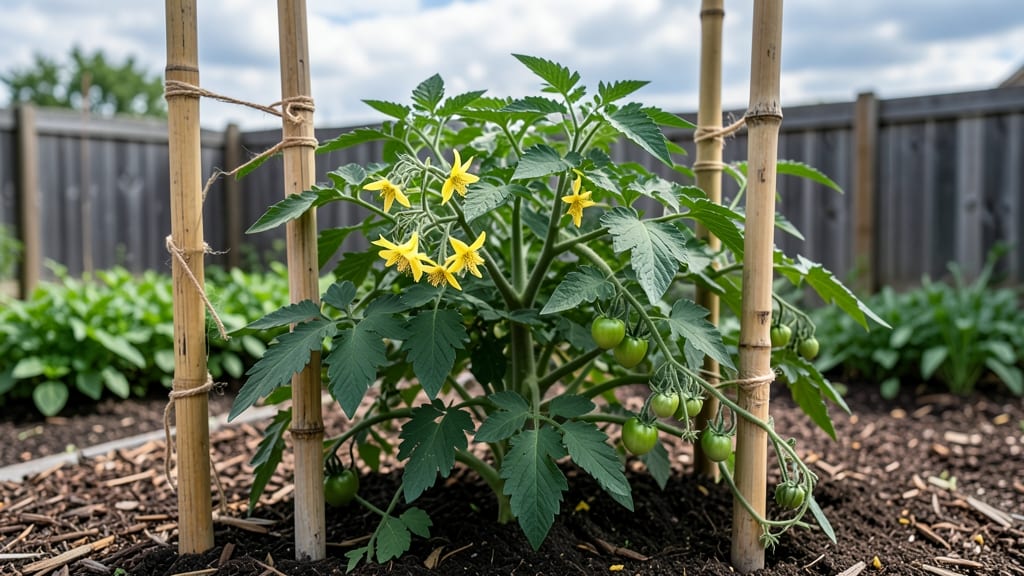
My tomato plants now reach 10 feet tall without toppling over—all thanks to the right tomato plant poles. 🌱 The difference between crowded, disease-prone bushes and vertical, sun-drenched vines is simply how you support them.
I’ve tried bamboo, metal, and wooden poles, and each has its strengths depending on your garden size and tomato variety.
You’ll need just 3 supplies: sturdy poles (8-10 feet tall), soft plant ties or twine, and a mallet or stakes to secure them. The key is placing poles 2-3 inches away from the main stem so you can gently weave vines upward without damaging them.
This setup saves space, improves airflow, and makes harvesting a breeze—no more bending over for every ripe tomato.
Within 2-3 weeks, your vines will climb eagerly, and by midsummer, you’ll have a towering harvest that stays off the ground and away from pests. The best part?
You can fit twice as many plants in the same space, and the fruits ripen faster because they get full sun exposure. Just avoid over-tightening the ties as the plant grows.
Works for any garden—container, raised bed, or in-ground—just adjust pole height to your space. Here’s how to set them up for foolproof results every season.
📚 In This Guide
- What you need
- Instructions
- Tips and common mistakes
- Wrapping up and next steps
What you need
- ● Poles: 6–10 ft tall, 1–2 inch diameter (bamboo, wooden dowels, or metal rebar). Quantity: 1 per plant or 2–3 for larger varieties.
- ● Stakes: 12–18 inch wooden or metal stakes (for securing poles). Quantity: 2–4 per pole.
- ● Twine or Soft Tie: Jute, raffia, or plant-friendly plastic (avoid wire—it can damage stems). Length: 10–15 ft per pole.
- ● Garden Gloves: To protect your hands while handling stakes and poles.
- ● Pole Caps: Plastic or rubber tips to prevent poles from sinking into soil.
- ● Trellis Netting: For sprawling varieties (e.g., cherry tomatoes) to create a cage-like support.
- ● Soil Amendments: Compost or fertilizer to enrich planting areas for stronger pole stability.
- ● Pruning Shears: For trimming excess foliage to reduce weight on poles.
How to install tomato plant poles for strong, crowd-free growth
Here's the simple, foolproof way to set up supports that keep your tomatoes upright and your garden rows tidy.
🪴 Step 1: Choose the Right Pole Type and Size
For 4 tomato plants, I recommend 5-foot bamboo stakes or 6-foot fiberglass poles—both give enough height for indeterminate varieties while staying stable. Avoid thin wooden stakes; they bend under heavy fruit loads. Measure each plant's expected height (check your seed packet) and select poles that are 12-18 inches taller than your mature plant.
If you're growing determinate (bush) tomatoes, 4-foot stakes work fine. For indeterminate (vining) types, go taller—6-8 feet prevents stems from flopping over. I like fiberglass because it won't rot or attract pests, but bamboo is cheaper and biodegradable. Real talk: don't skimp on thickness. A ½-inch diameter stake won't hold up when your tomatoes hit 10 pounds each.
⏰ Step 2: Install Poles at the Right Time and Depth
Drive stakes into the soil when seedlings are 6-8 inches tall—before they get top-heavy. Push each pole 6 inches deep into moist soil, tapping firmly with a mallet or hammer. The top 2 feet should extend above the plant's current height to accommodate growth. If your soil is rocky, dig a small hole first to create a snug fit.
Here's the thing—if you wait until plants are already leaning, you'll struggle to straighten them later. I plant my stakes 2 inches away from the main stem, slightly angled toward the plant's natural growth direction. This gives the stem room to thicken without rubbing against the pole. For extra stability, tie the pole to a 4-foot ground stake at a 45-degree angle.
🌿 Step 3: Secure Plants with Gentle, Adjustable Ties
Use soft plant ties (not wire or zip ties—they cut into stems as plants grow). Wrap the tie around the pole first, then loop it around the tomato stem 6-8 inches below the first leaves. Leave a little slack—you want the plant to grow into the support, not be strangled by it. I like the stretchy fabric ties because they adjust as stems thicken.
Check ties every 7-10 days and loosen if the stem looks constricted. You'll see this when the stem above the tie turns pale or the leaves start curling—those are warning signs. Here's my trick: tie the plant to the pole at 3 points as it grows—once at 12 inches, again at 24 inches, and a final time when the first flowers appear. This prevents the plant from flopping between supports.
☀️ Step 4: Train Vines and Maintain Support Through the Season
As your tomato plants grow, gently weave the main stem around the pole in a spiral pattern. This encourages stronger stems and better air circulation. Remove any suckers (side shoots) growing below the first flower cluster—they'll steal energy from fruit production. For indeterminate varieties, tie the growing tip to the pole every 12 inches to keep it vertical.
Watch for wind or rain damage—if a plant sways too much, add a second tie or a small wooden stake> for extra support. I also check for fruit weight stress when clusters get heavy; if a branch bends toward the ground, tie it to the pole immediately. Prune lower leaves regularly to improve airflow and reduce disease risk—this keeps your plants healthy and your harvests bountiful.
✂️ Step 5: Clean Up and Store Poles for Next Year
At the end of the season, remove all plant debris and compost it (don't leave diseased material in the garden). For reusable poles, scrub them with a 10% bleach solution to kill any fungal spores. Store bamboo stakes in a dry place; fiberglass poles can be leaned against a fence or shed. I mark mine with paint to identify which ones worked best for different tomato varieties.
Here's what I've learned: the time you spend setting up proper supports now saves hours of frustration later. A well-supported tomato plant produces 30-50% more fruit than one left to sprawl. Plus, your garden rows stay neat and accessible for weeding and harvesting. Next season, you'll wonder how you ever grew tomatoes any other way.
Tips & tricks for sturdy tomato supports
These simple strategies will help you avoid common pitfalls and get the most out of your tomato supports.
Pole Selection Wisdom: When choosing between bamboo and fiberglass, consider your climate and budget. Bamboo is biodegradable and works well in warmer areas, but fiberglass lasts longer and resists rot—perfect if you live in humid conditions. I've found that ½-inch diameter poles are the sweet spot for stability, especially when supporting indeterminate varieties that can produce 10-pound tomatoes. If you're growing determinate tomatoes, you can safely use 4-foot stakes since they won't grow as tall.
Timing is Everything: The 6-8 inch seedling height is the ideal window for installing poles—any later and you risk toppling plants when they get heavy. Here's my trick: plant your stakes 2 inches from the stem and angle them slightly toward the plant's natural growth direction. This creates space for the stem to thicken as it grows, preventing any rubbing that could damage the plant. For extra stability, especially in windy areas, tie the pole to a 4-foot ground stake at a 45-degree angle.
Tie Technique: Soft plant ties are a game-changer compared to wire or zip ties. Start by wrapping the tie around the pole first, then loop it around the tomato stem 6-8 inches below the first leaves. Leave some slack—you want the plant to grow into the support, not be strangled. I check ties every 7-10 days and adjust as needed. The key is to tie at 3 points as the plant grows: once at 12 inches, again at 24 inches, and a final time when flowers appear. This prevents flopping between supports.
Season-Long Maintenance: As your plants grow, gently weave the main stem around the pole in a spiral pattern to encourage stronger growth. For indeterminate varieties, tie the growing tip to the pole every 12 inches to keep it vertical. Watch for fruit weight stress—if clusters get heavy and branches bend, tie them to the pole immediately. Regularly prune lower leaves to improve airflow and reduce disease risk, which keeps your plants healthy and your harvests bountiful.
Pro Tips for Tomato Plant Poles
- These simple strategies will help you avoid common pitfalls and get the most out of your tomato supports.
- Pole Selection Wisdom: When choosing between bamboo and fiberglass, consider your climate and budget.
- Timing is Everything: The 6-8 inch seedling height is the ideal window for installing poles—any later and you risk toppling plants when they get heavy.
Frequently asked questions
Got questions about tomato plant poles?
You’re not alone! Here are answers to the most common queries to help you grow confidently—no guesswork required.
What’s the best height for tomato plant poles?
Most tomato varieties thrive with 6 to 8 feet of support. Indeterminate types (like cherry tomatoes) need taller poles (8+ ft), while determinate varieties (bush tomatoes) can handle shorter stakes (4–6 ft). Always check your plant’s tag for guidance!
Can I use bamboo stakes instead of metal or wooden poles?
Bamboo stakes are budget-friendly and lightweight, but they may need extra securing in windy areas. For heavy vines, opt for 3-inch-wide bamboo bundles or combine them with twine. Just ensure they’re buried deep (1–2 feet) for stability.
When should I install tomato plant poles?
Set up poles at planting time or when seedlings reach 6–8 inches tall. Early support prevents root disturbance later. If starting late, gently tuck poles into the soil and tie vines loosely to avoid stress. Pro tip: Use soft plant ties to protect stems!
Why are my tomato vines leaning or falling over?
Leaning vines often signal insufficient support or poor tying. Check for:
- Poles buried too shallowly (dig deeper!)
- Ties too tight (use a figure-eight loop for flexibility)
- Wind exposure (add a second stake or trellis for backup)
Can I reuse tomato plant poles from last year?
Yes, but sanitize them first! Scrub poles with a 10% bleach solution (1 part bleach to 9 parts water) to kill fungi/bacteria. Avoid reusing poles if they’re splintered or warped, as they won’t provide sturdy support. Wooden poles last longest!
Wrapping up and next steps
Choosing the right tomato plant poles is a game-changer for thriving gardens—whether you’re maximizing vertical space or protecting delicate vines.
From bamboo stakes to durable metal cages, the perfect support can transform your harvest while keeping your garden organized and efficient. Now that you’re armed with the best options, it’s time to get growing!
🌱 Next step: Grab your supplies, measure your space, and start staking those tomatoes before they reach for the sky. Happy planting—your future salads (and bragging rights) will thank you!