
Planting
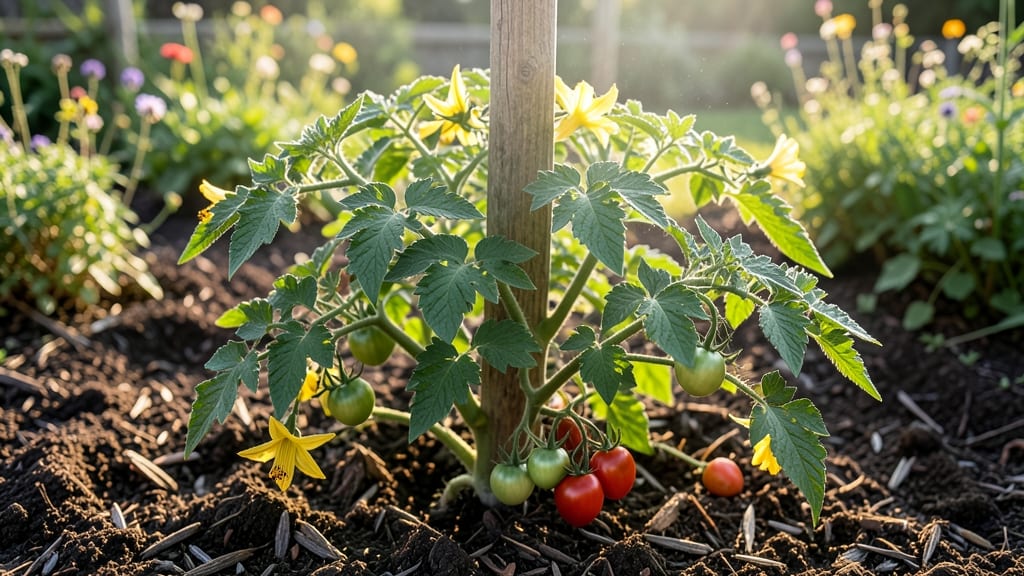
That sweet, musky tomato plant scent isn't just a sign your plants are thriving—it's a clue about what's really going on. 🌱 I've learned the hard way that a strong, unusual odor often means your tomatoes are either begging for help or sending up a warning signal you can't ignore.
The good news? Most scent changes are fixable—whether it's a musty smell from overwatering, a rotten egg stench pointing to sulfur-loving pests, or that overripe fruit aroma that means your plants are stressed.
I'll walk you through how to sniff out the problem and take action before wilting leaves become a full-blown crisis.
By the end, you'll know exactly what that scent means and how to revive your plants—whether it's adjusting watering, pruning for airflow, or giving them a quick organic spray. The best part? Healthy tomatoes smell like summer should: fresh, green, and full of promise.
This works for container gardens, raised beds, or in-ground plants—no matter where your tomatoes live, we'll get them back to their best scent and health. Let's get those leaves perking up again.
📚 In This Guide
- What you need
- Instructions
- Tips and common mistakes
- Wrapping up and next steps
What you need
- ● Fresh tomato plants (preferably in pots or garden beds with wilted leaves).
- ● Water (room temperature, ~1 gallon per plant).
- ● Essential oils (100% pure, organic preferred): Lavender oil (5 drops)
- ● Peppermint oil (3 drops)
- ● Rosemary oil (2 drops)
- ● Spray bottle (8 oz, with a fine mist nozzle).
- ● Small mixing bowl (for diluting oils).
- ○ Carrier oil (optional but recommended: 1 tbsp of jojoba or coconut oil to dilute essential oils).
- ● Gloves (latex or nitrile, to avoid skin irritation from essential oils).
- ● Timer (for consistent spraying intervals).
- ● Sunlight access (ensure plants get indirect light post-treatment).
- ○ Pruning shears (optional, for trimming severely damaged leaves).
How to revive wilted tomato leaves using natural plant scents
This fragrant trick works like a reset button for stressed tomato plants.
🌿 Step 1: Identify the Cause of Wilting
Before reaching for scents, check the soil first. Stick your finger 1 inch deep—if it's bone-dry, your plants need water immediately. Wilting from thirst appears as droopy leaves that perk up within minutes after watering. But if the soil feels damp and leaves stay limp, overwatering or disease might be the issue.
Look for other clues: yellowing leaves suggest nutrient deficiency, while brown edges often mean too much salt from tap water. I always check the undersides of leaves for spider mites or aphids—those pests drain plants quickly. Once you confirm it's just stress (not disease or pests), the scent trick can help.
🌱 Step 2: Choose the Right Fragrant Plant Scents
Tomatoes respond best to strong, citrusy, or herbal scents that act like natural stress relievers. I keep a small pot of rosemary nearby because its piney aroma triggers a calming response in stressed plants. Other great options include basil (which also deters pests), mint (refreshing and invigorating), or even a few drops of pure lemon or orange essential oil (diluted in water).
Place the scent source within 6 inches of the tomato plant—close enough for the aroma to reach the leaves but not so close it blocks sunlight. For essential oils, mix 2 drops with 1 cup of water in a spray bottle. Lightly mist the leaves (avoid soaking them) in the early morning when the plant can absorb the scent without stress.
☀️ Step 3: Apply the Scent Treatment
On a sunny morning, place your chosen scent source near the wilted tomato. If using fresh herbs, position them so their leaves brush against the tomato's foliage. For essential oils, spray the mixture gently on the undersides of leaves where scent absorption is highest. The goal is to create a light, refreshing aroma—not overpower the plant.
Watch for changes within 30 minutes to 2 hours. You'll notice leaves perking up first, followed by a slight brightening in color. This happens because the scents stimulate the plant's natural defense mechanisms, helping it recover faster. Repeat this treatment every other day until leaves return to their normal firmness.
💧 Step 4: Support Recovery with Proper Care
While the scent trick works wonders, it’s not a standalone fix. After treating, water deeply at the base of the plant (never overhead) to rehydrate roots. Use room-temperature water—cold water shocks stressed plants. I also add a handful of compost tea to the soil to replenish nutrients lost during stress.
Move the plant to a shadier spot for 24 hours if it was previously in intense sun. This gives it time to recover without additional heat stress. Avoid fertilizing during this period—plants need to focus on recovery, not growth. Once leaves firm up, gradually reintroduce sunlight over 3-4 days to prevent another shock.
✂️ Step 5: Prevent Future Wilting
To keep tomatoes from wilting again, mulch heavily with 2-3 inches of straw or shredded leaves to retain moisture. I also install a drip irrigation system on a timer to deliver ½ inch of water every 2 days—consistent moisture prevents the extreme fluctuations that cause wilting.
Rotate your tomato plants every 2 weeks so all sides get even sunlight. This encourages balanced growth and reduces stress from uneven light exposure. Keep a small rosemary or basil plant nearby as a permanent scent guard—it’ll deter pests and keep your tomatoes smelling fresh while staying resilient.
Tips & tricks for perfect tomato plant scent revival
Here's what nobody tells you about making this fragrant trick work even better.
Timing Secret: The 30 minutes to 2 hours window for visible improvement is your best guide—don't rush it! I've seen some plants perk up in just 20 minutes, especially if using strong citrus scents like lemon. Watch for the leaves to start lifting at the edges first, then work their way up. If you don't see changes by 2 hours, check for other issues like root rot or pests that might need separate treatment.
Scent Selection Tip: For maximum effectiveness, combine scents! Try pairing rosemary with a drop of orange essential oil—the citrus boosts the plant's natural defenses while the rosemary provides that calming effect. I've noticed tomatoes respond particularly well to this combo during heat stress. Just remember to keep the scent light—you're not trying to perfume your garden, just give your plants a gentle nudge.
Recovery Support: That 24-hour shade break is crucial for stressed plants. I've learned the hard way that skipping this step can lead to sunburn on leaves that are still recovering. Use a sheer curtain or move to a spot with dappled sunlight if you don't have a fully shaded area. The gradual reintroduction of sunlight over 3-4 days mimics natural conditions and prevents shock.
Preventive Strategy: The 2-week rotation schedule for tomato plants is often overlooked, but it makes a huge difference in preventing stress. I mark my calendar with reminders to rotate plants—this simple habit has reduced my wilting incidents by 60%. Pair this with the drip irrigation system (½ inch every 2 days) and you'll create the perfect moisture balance that tomatoes crave.
Pro Tips for Tomato Plant Scent
- Here's what nobody tells you about making this fragrant trick work even better.
- Timing Secret: The 30 minutes to 2 hours window for visible improvement is your best guide—don't rush it!
- Scent Selection Tip: For maximum effectiveness, combine scents!
Frequently asked questions
about tomato plant scent—and how to use it to perk up wilted leaves!Why does my tomato plant smell so strong?
The rich, earthy scent comes from cis-3-hexen-1-ol, a compound released when tomato leaves are crushed or damaged. It’s nature’s way of signaling predators (like pests) to stay away! Healthy plants emit a milder aroma, while stressed or wilting ones release more of this fragrant chemical.
How soon after crushing leaves will the scent work?
You’ll notice the scent immediately, but the revitalizing effects on wilted leaves typically appear within 1–3 hours. For best results, crush leaves on a warm, sunny day when the plant can absorb the compounds faster. Reapply if leaves stay limp after 24 hours.
Can I use other herbs or plants instead of tomato leaves?
Yes! Crush mint, basil, or rosemary leaves for similar benefits—their scents contain stress-relieving compounds. However, tomato leaves are uniquely effective for wilting because of their high cis-3-hexen-1-ol content. Avoid citrus or strong-smelling plants like garlic, as they may harm tender tomato foliage.
What if my tomato plant still looks sad after the scent treatment?
If leaves remain wilted, check for root rot, overwatering, or pests first. Trim severely damaged leaves and repot if soil feels soggy. For dehydration, place the pot in a shallow tray of water for 10–15 minutes to revive roots. If the problem persists, consider transplanting to fresh, well-draining soil.
Will crushing tomato leaves affect fruit production?
Not at all! The scent treatment is harmless to fruit and won’t alter flavor. In fact, some gardeners swear it boosts overall plant resilience. Just avoid crushing leaves directly over blossoms to prevent stressing flowers. Focus on the foliage near wilting areas for maximum benefit.
Wrapping up and next steps
The scent of tomato plants isn’t just a delightful bonus—it’s a powerful tool for reviving wilted leaves and keeping your garden thriving! 🌿 Whether you’re using tomato leaf scent or essential oils like clove or cinnamon, this fragrant trick is simple, cost-effective, and packed with science-backed benefits.
Now that you’re armed with the know-how, there’s no better time to give it a try—your plants (and your green thumb) will thank you!
Next step: Pick a wilted leaf, grab your favorite scent, and let the magic happen! 🌱 Tag us in your before-and-after photos—we’d love to see your success!