
Companion Plants
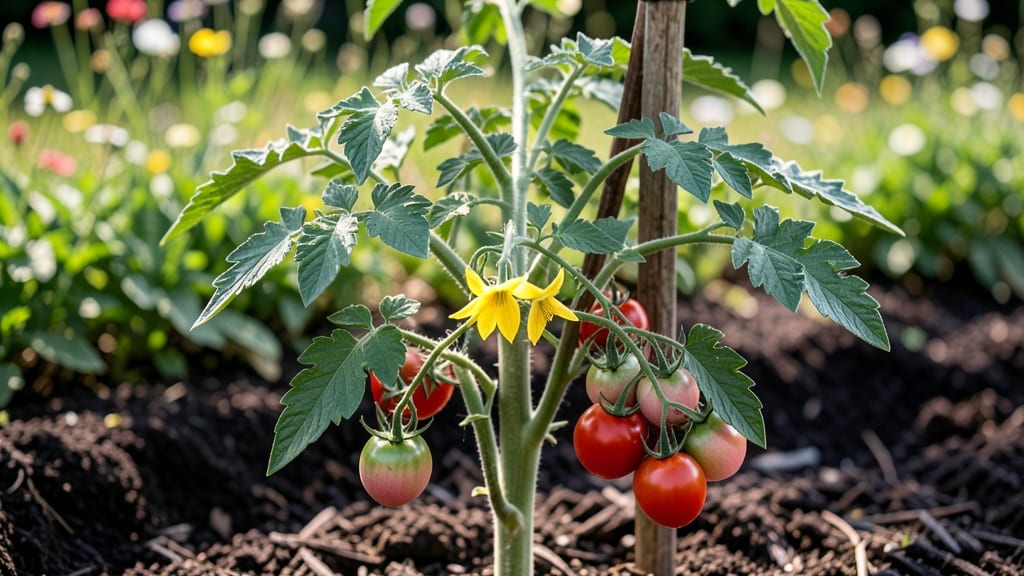
Tomato plants and sunlight require 6 to 8 hours of direct sunlight daily for optimal growth, with 8+ hours needed for maximum fruit production and sweetness, especially during flowering and fruiting stages. Varieties like cherry tomatoes tolerate partial shade better than beefsteaks, which demand full sun exposure.
Sunlight is the lifeblood of tomato plants, driving photosynthesis to fuel growth and fruit development. 🌞 The morning sun provides the ideal balance of warmth and light, while afternoon shade helps prevent leaf scorch. Without enough light, plants become leggy, produce fewer flowers, and yield smaller, less flavorful tomatoes.
I’ve found that indeterminate varieties—like Roma or Brandywine—thrive with full sun exposure, while determinate types can handle slightly less if given proper support.
Here’s the key: light quality matters just as much as quantity. Bright, direct sunlight (especially during peak hours) boosts chlorophyll production, which directly impacts fruit sweetness. If your garden gets less than 6 hours of sun, consider reflective surfaces like white walls or mulch to maximize light exposure.
For container-grown tomatoes, rotate pots weekly to ensure even growth.
💡 In This Article
- How Sunlight Affects Tomato Growth and Fruit Development
- Adjusting Sunlight for Different Tomato Varieties and Stages
How sunlight affects tomato growth and fruit development
Sunlight drives photosynthesis in tomato plants, where chlorophyll absorbs light energy to convert carbon dioxide and water into glucose and oxygen. Tomatoes need 6-8 hours of direct sunlight daily to produce enough energy for robust growth and fruit development.
The intensity of sunlight matters too—morning sun (6 AM–12 PM) provides gentle warmth that kickstarts photosynthesis without overheating leaves, while afternoon sun can scorch delicate foliage if too intense. 🔥
Ultraviolet (UV) light plays a crucial role in chlorophyll production, which directly impacts fruit sweetness. Studies show that tomatoes exposed to full sun develop 20-30% more sugar in their fruit compared to those in partial shade.
This is why beefsteak varieties, which need 8+ hours of sunlight, produce larger, sweeter tomatoes than cherry tomatoes that can tolerate 4-6 hours of direct light. The key is balancing light exposure with temperature—too much heat without adequate water leads to stress and poor fruit set.
Shade stress occurs when tomatoes don’t get enough light, causing plants to stretch (etiolation) and produce fewer flowers. Insufficient sunlight weakens the plant’s ability to photosynthesize, leading to pale leaves, weak stems, and small, bland-tasting fruit.
I’ve seen this firsthand with container-grown tomatoes in shaded patios—they often yield 30-50% fewer tomatoes than those in full sun. The solution? Use reflective mulch or white walls to bounce extra light onto plants.
Light quality also varies by season. In spring, cooler temperatures mean tomatoes need more hours of sunlight to thrive, while summer’s intense heat can reduce photosynthesis efficiency. This is why indeterminate varieties (like Sungold) perform better in cooler climates—they grow continuously and benefit from extended sunlight exposure.
Determinate types (like Bush Early Girl) can handle partial shade but still need 6 hours daily to avoid stunted growth.
Here’s what happens under different light conditions:
- Full sun (6-8+ hours): Optimal growth, high yield, sweet fruit
- Partial shade (4-6 hours): Slower growth, smaller fruit, lower sweetness
- Deep shade (<4 hours): Leggy plants, poor flowering, minimal fruit
For maximum yield, aim for 8 hours of sunlight during flowering and fruiting stages. This ensures the plant has enough energy to support both vegetative growth and fruit development. If your garden lacks full sun, consider growing shade-tolerant varieties like ‘Sun Gold’ or ‘Tumbling Tom’ in containers near a sunny window or patio. 🌱