
How To
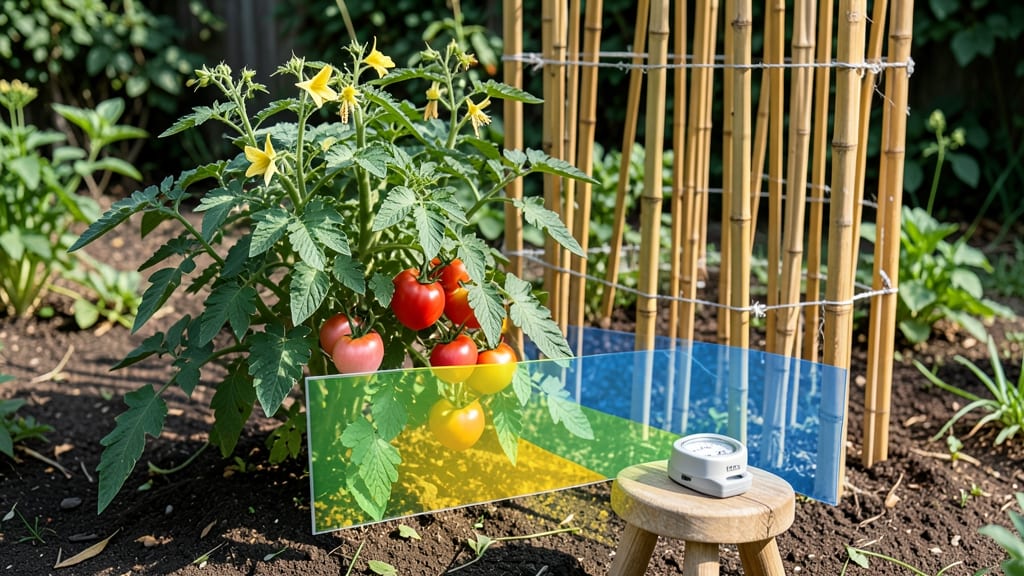
How much light does a tomato plant need? The answer is 6 to 8 hours of direct sunlight daily to produce the juicy fruit you crave 🍅 — and missing that window can mean the difference between a bountiful harvest and a sad, leggy mess.
Picture this: you’ve spent weeks nurturing your seedlings, only to watch them stretch toward the light like they’re reaching for a high-five, but never quite getting there. That’s not just a growth spurt—it’s a cry for help.
Too little light, and your plants will bolt (yes, really) or produce tiny, flavorless tomatoes. Too much, and you risk sunburned leaves or stressed vines.
But here’s the good news: with the right placement, tools, and a little seasonal tweaking, you can give your tomatoes exactly what they need—whether you’re working with a sun-drenched backyard, a shady balcony, or even an indoor setup.
In this guide, I’ll break down how to measure sunlight like a pro, spot the warning signs of over- or underlighting, and keep your plants thriving from seedling to harvest—no guesswork required.


Tomato plant sunlight requirements by growth stage: from seedlings to fruit set
Tomatoes are sun-worshippers, and their light needs change dramatically as they grow. Too little sun leads to weak stems and poor fruit set, while excessive heat can scorch leaves. Understanding these stages helps you adjust care for maximum production—whether you're growing in containers or garden beds.
Most gardeners assume all tomatoes need full sun, but the intensity and duration of light shifts. Seedlings, for example, need gentle protection from scorching rays, while mature plants crave unfiltered sunlight for heavy fruit loads. Let’s break down the perfect light prescription at each phase.
| Growth Stage | Daily Sunlight Needs | Light Intensity | Common Issues | Solution |
|---|---|---|---|---|
| Seedlings (0-3 weeks) | 4-6 hours | Indirect/soft light | Leggy stems, weak roots | Use shade cloth (30-50%) |
| Vegetative (3-6 weeks) | 6-8 hours | Bright, filtered light | Slow growth, pale leaves | Rotate plants weekly |
| Flowering (6-8 weeks) | 8-10 hours | Full sun (direct) | Blossom drop, weak flowers | Morning sun + afternoon shade |
| Fruiting (8+ weeks) | 10-12+ hours | Full sun (intense) | Sunburn, cracked fruit | Mulch to retain moisture |
During the seedling stage (0-3 weeks), young tomato plants need 4-6 hours of gentle sunlight daily. Too much direct sun causes leaf scorch and stunted growth. I use a shade cloth (30-50%) for seedlings in hot climates, which mimics the dappled light of a forest understory.
As plants enter the vegetative stage (3-6 weeks), they crave 6-8 hours of bright, filtered light. This is when they build leafy canopies and sturdy stems.
If your seedlings stretch toward light (etiolation), rotate them weekly to prevent lopsided growth. A south-facing window or grow light works well indoors.
The flowering stage (6-8 weeks) is critical—tomatoes need 8-10 hours of full sun to set fruit. Blossom drop (flowers falling off) often signals heat stress or inconsistent light. I’ve found that morning sun paired with afternoon shade (using a lattice or mesh) helps prevent this in hot zones.
Finally, during fruiting (8+ weeks), tomatoes demand 10-12+ hours of intense sunlight for sweet, heavy fruit. Without enough light, fruits stay small and green. In my garden, I’ve seen cherry tomatoes double in size when given extra afternoon sun in July.
Regional differences matter too. Northern climates may need supplemental grow lights in winter, while desert areas benefit from afternoon shade cloth. Always monitor your plants’ leaf color—deep green means they’re happy, while yellowing leaves signal light deprivation.
Pro tip: Use a light meter (or phone app) to track lux levels. Tomatoes thrive at 10,000-20,000 lux—any less, and you’ll see poor fruit development. Adjust stakes or containers to optimize light exposure as plants grow taller.
How to measure and optimize sunlight for your tomato plants (even in shady spots)
Measuring sunlight accurately is the first step to growing healthy tomato plants. Many gardeners assume "full sun" means any sunny spot, but tomatoes thrive in 6-8+ hours of direct sunlight daily.
Without precise measurements, you risk underperforming plants or even crop failure. I’ve learned that using simple tools—like a light meter or even a sunlight tracking app—can reveal surprising differences between garden spots.
Even in shady gardens, you can optimize sunlight with smart techniques. For example, my north-facing balcony only gets 3 hours of direct sun, but by using reflective surfaces and grow lights, I’ve still grown cherry tomatoes successfully.
The key is understanding your garden’s microclimates—small areas with unique light conditions—and adapting your approach.
To measure sunlight accurately, I recommend a lux meter (measures light intensity) or a sunlight tracking app like SunSurveyor. For example, a lux reading of 10,000-20,000 indicates ideal sunlight for tomatoes, while below 5,000 lux signals insufficient light.
I’ve found that east-facing gardens often get softer morning light, which is better than harsh afternoon sun in hot climates.
For container growers, rotate pots weekly to ensure even light exposure. I also use reflective mulch (like white gravel or aluminum foil) to bounce extra light onto plant stems.
If you’re growing indoors, LED grow lights with a 12-hour photoperiod can mimic summer sunlight. Just ensure the lights are 12-18 inches above plants to avoid overheating.
Don’t overlook seasonal adjustments. In summer, tomatoes need more shade to prevent sunscald, while winter requires supplemental lighting to maintain growth. I’ve had success using timers on grow lights to automate adjustments based on daylight changes.
Even in shady spots, you can optimize with vertical growing. Trellis indeterminate varieties upward to capture light from multiple angles. My balcony tomatoes thrive with a mix of natural light and a small LED panel—proving that with the right tools, any space can grow tomatoes! 🌱☀️🪴