
Size
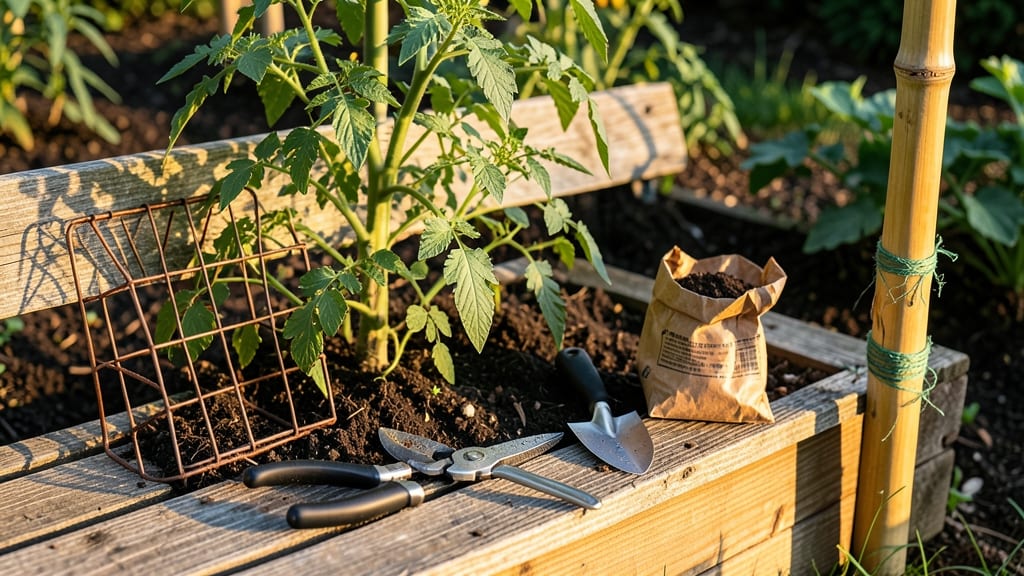
My tomato plants getting too tall like sunflowers taught me the hard way why pruning matters. 🌱 That first 6-foot stalk looked impressive—until it flopped over, split open from the weight of green tomatoes, and left me with a mess instead of a harvest.
The good news? You can fix this before it happens, and even turn leggy plants into bushy producers with the right cuts.
Most overgrowth comes from two mistakes: too much nitrogen (which fuels leaves over fruit) and not enough light (which makes plants stretch). I learned to prune suckers—those little shoots in the leaf axils—when they're still small, and to stake plants early to encourage strength over height.
The goal isn't to chop everything off, but to redirect energy where you want it: into those heavy fruit clusters.
You'll end up with plants that stay compact enough to support their own weight, with more flowers and fewer flops. The first pruning session takes 10 minutes, and the results show up in 2-3 weeks of new growth. Best part? You'll actually reach the tomatoes without a ladder.
Works for both indeterminate (vining) and determinate (bush) types, though the techniques adjust slightly. The key is consistency—prune regularly, stake early, and watch your plants transform from gangly to productive. Here's how to do it right the first time.
Root Causes of Towering Tomatoes
When your tomato plants stretch skyward like overzealous sunflowers, it’s usually a sign that something’s off balance in their growing environment. Understanding the why behind their rapid vertical growth is the first step to reclaiming those lush, bushy plants you love.
Let’s break down the science—because even nature follows rules (and sometimes rebels against them!).
Tomatoes are phototropic, meaning they grow toward light. When they don’t get enough of it—whether due to shade from taller plants, nearby structures, or simply being placed in a dim corner—they stretch (a phenomenon called etiolation). This causes:
- Long, weak stems (think of a giraffe neck—impressive but unstable).
- Pale, leggy leaves (a red flag for chlorophyll deficiency).
- Fewer flower clusters (the plant prioritizes height over fruit).
Actionable fix: Move plants to a sunny spot (6+ hours of direct sunlight daily). If space is tight, use a reflective surface (like white walls or aluminum foil) to bounce light onto the undersides of leaves.
Too much water—or soggy soil—can dilute nutrients and weaken stems, making plants flop or grow erratically tall. Here’s how it happens:
- Root stress: Waterlogged soil cuts off oxygen, forcing roots to spread shallowly. This doesn’t anchor the plant, so it leans or stretches upward.
- Nutrient leaching: Excess water washes away nitrogen and phosphorus, which are critical for compact growth and flowering.
- Fungal risks: Damp conditions encourage diseases like blight, which further stress the plant.
Actionable fix:
- Water deeply but infrequently (1–1.5 inches per week, letting soil dry slightly between waterings).
- Amend soil with perlite or compost to improve drainage.
- Use drip irrigation to keep leaves dry and avoid overhead watering.
Tomatoes thrive in warm but not scorching conditions (ideal day temps: 70–85°F / 21–29°C). When nights stay too warm (above 70°F / 21°C) or days hit extreme heat (above 90°F / 32°C), plants react by:
- Bolting: Rapid vertical growth to escape heat stress (common in indeterminate varieties).
- Reduced flowering: High temps disrupt pollen production, leading to fewer tomatoes.
- Sunburned leaves: Leaves may yellow or crisp, further weakening the plant’s structure.
Actionable fix:
- Provide afternoon shade (use shade cloth or plant near a north-facing wall).
- Mulch heavily with straw or wood chips to keep roots cool.
- Choose heat-tolerant varieties (e.g., ‘Solar Fire’, ‘Heatmaster’) if you’re in a hot climate.
Too much nitrogen (the "green growth" nutrient) without enough phosphorus or potassium sends tomatoes into a height frenzy. Here’s the breakdown:
| Nutrient | Effect on Growth | Signs of Over/Under |
|---|---|---|
| Nitrogen (N) | Promotes leafy (but leggy) growth. | Over: Dark green leaves, weak stems. Under: Yellowing lower leaves. |
| Phosphorus (P) | Encourages root and flower development. | Over: Rare (usually from over-fertilizing). Under: Purple stems, slow flowering. |
| Potassium (K) | Strengthens stem structure and disease resistance. | Over: Leaf edges burn. Under: Weak stems, yellow leaf edges. |
Actionable fix: Switch to a balanced fertilizer (e.g., 5-10-10 or 10-10-10) or use compost/manure for slow-release nutrients. Avoid fresh manure—it can burn roots!
Tomatoes aren’t exactly wind-resistant. Strong breezes or even gentle air movement can:
- Cause stems to lean or bend toward the wind, creating an uneven, tall silhouette.
- Weaken cell walls, making plants more susceptible to snapping under fruit weight.
- Increase transpiration (water loss), leading to stress and compensatory stretching.
Actionable fix:
- Stake or cage plants early (before they get top-heavy).
- Use windbreaks (like burlap screens or tall grasses) in exposed areas.
- Prune lower leaves to reduce wind resistance (but leave some for photosynthesis).
Not all tomatoes are created equal! If you’re growing indeterminate varieties (e.g., ‘Cherokee Purple’, ‘Brandywine’), their natural tendency is to grow tall and vine-like—sometimes up to 10+ feet! Meanwhile, determinate types (e.g., ‘Roma’, ‘Celebrity’) stay bushy and compact.
Actionable fix:
- For indeterminates: Prune aggressively (see next section!) and use strong supports (e.g., trellises, Florida weave).
- For determinates: Pinch suckers (side shoots) to encourage bushiness.
How to solve it
When your tomato plants stretch skyward like over-caffeinated teenagers, it’s time to intervene—but don’t panic! 🌱 With a few strategic tweaks, you can coax those leggy stems into a sturdy, fruit-bearing powerhouse. The key is to address the root cause (literally and figuratively) while keeping your plants happy and productive.
Below, we’ve mapped out practical solutions for the most common triggers of tall, weak tomato growth, plus prevention tips to keep your plants in check next season.
If your tomatoes are bolting for the sky due to intense sunlight or scorching temps, they’re essentially melting toward shade. Here’s how to bring them back down to earth:
- 🔥 Provide shade cloth: Install a 30-50% shade cloth (or a lightweight row cover) during peak afternoon sun (12 PM–4 PM). This reduces stress without stunting growth completely. Secure it 1–2 feet above the plants to allow airflow.
- 💧 Water deeply at the base: Soak the soil 1–2 inches per week (more in extreme heat) to encourage deeper root growth. Shallow watering leads to weak stems chasing moisture upward. Use drip irrigation or soaker hoses to avoid wetting leaves, which can cause disease.
- 🍳 Fertilize with balance: Switch to a low-nitrogen, high-phosphorus fertilizer (like 5-10-10) to promote root and fruit development over leafy growth. Avoid nitrogen-heavy feeds—those are the villain behind lanky stems.
- ⏰ Adjust planting timing: If you’re in a hot climate, opt for heat-tolerant varieties (e.g., ‘Solar Fire’ or ‘Heatmaster’) or start seeds 4–6 weeks earlier for an earlier harvest before the worst heat hits.
💡 Pro Tip: Mulch heavily with straw or grass clippings to keep roots cool and retain moisture. A 2–3 inch layer acts like a built-in air conditioner!
When tomato plants compete for space, they stretch like teenagers vying for attention. Fix this with:
- 👨🍳 Thin out seedlings: If you’ve already planted, prune the weakest stems at the base, leaving only the 2–3 strongest per plant. For indeterminate varieties, keep 1–2 main stems and remove suckers (side shoots) regularly.
- 🔪 Repot or transplant: If plants are too close together (closer than 18–24 inches apart for determinate tomatoes or 24–36 inches for indeterminate), carefully transplant the most vigorous ones to a new spot with plenty of space. Do this early in the day to reduce shock.
- 🌡️ Use cages or stakes strategically: Install tomato cages or stakes at planting time to guide growth upward. If adding them later, tie plants gently to avoid snapping stems. For indeterminate varieties, use trellises to encourage vertical growth.
- ✨ Rotate crops next season: Avoid planting tomatoes (or other nightshades) in the same spot yearly. Rotate to legumes, brassicas, or alliums to prevent soil depletion and disease buildup.
💡 Pro Tip: If you’re growing in containers, upgrade to larger pots (at least 5 gallons per plant) and use lightweight potting mix to reduce root stress.
Leafy greens but few tomatoes? Your plants are high on the wrong stuff. Correct the diet with these fixes:
| Problem | Solution |
|---|---|
| Yellowing leaves or excessive foliage | Switch to a balanced or phosphorus-heavy fertilizer (e.g., 5-10-10 or 3-4-6). Avoid blood meal or fish emulsion, which are nitrogen bombs. |
| Slow fruit set despite tall growth | Add potassium and calcium with crushed eggshells, wood ash, or a tomato-specific supplement like calcium nitrate. |
| Leggy stems with weak stems | Apply compost or worm castings around the base to improve soil structure and microbial activity. This boosts root health naturally. |
💡 Pro Tip: For a DIY fix, mix 1 cup of banana peel tea (rich in potassium) with 1 tbsp of Epsom salt (magnesium) per gallon of water and spray on leaves weekly.
Drought-stressed plants stretch desperately for moisture, while soggy roots lead to weak stems. Strike the right balance:
- 💧 Water consistently: Aim for 1–1.5 inches per week, delivered at the base of the plant. Use a moisture meter or stick your finger 1–2 inches into the soil—if it’s dry, water again.
- 🧹 Improve drainage: Amend heavy clay soil with compost or perlite. For containers, ensure pots have drainage holes and use a mix of potting soil + vermiculite.
- 🌿 Mulch properly: Spread 2–3 inches of organic mulch (straw, grass clippings) to retain moisture and regulate soil temperature. Keep mulch away from the stem to prevent rot.
- 🔄 Adjust irrigation: If using sprinklers, switch to drip lines or soaker hoses to avoid wetting leaves (which spreads disease). Water early in the morning to reduce evaporation.
💡 Pro Tip: For container growers, add hydrogel crystals to the soil mix to lock in moisture between waterings.
Once you’ve tamed your towering tomatoes, set yourself up for success with these long-term strategies:
- 🎯 Choose the right varieties: Opt for determinate tomatoes (bush types) if you prefer compact growth, or indeterminate varieties with strong stems like ‘Brandywine’ or ‘Cherokee Purple’.
- 🌡
Frequently asked questions
Why do my tomato plants grow so tall but produce few tomatoes?
Too much nitrogen in your fertilizer creates lush foliage but stunts fruit production. The plant prioritizes leaf growth over flowers. Switch to a balanced fertilizer (5-10-10) or add phosphorus-rich compost to encourage flowering. Prune lower leaves to redirect energy to fruit clusters.
Is it too late to prune my 6-foot-tall tomato plants?
Never! Pruning works at any stage, though earlier is easier. For indeterminate varieties, focus on removing suckers (side shoots) and thinning leaves to improve airflow. For determinate types, simply trim leggy stems back by 1/3 to encourage bushier growth. Just avoid heavy pruning when flowers are setting fruit.
Will staking my tomato plants prevent them from getting too tall?
Staking helps control height but won't stop overgrowth completely. Use strong cages or bamboo stakes to support plants early, but combine with proper pruning and balanced fertilization. Indeterminate varieties will still grow tall—staking just makes them grow upward instead of sprawling. For compact growth, choose determinate varieties.
Can I fix leggy tomato plants by just adding more sunlight?
Sunlight helps, but it's only part of the solution. Move plants to a sunnier spot (6+ hours of direct light daily) AND adjust watering (deep but infrequent) and fertilization (reduce nitrogen). Leggy growth is often caused by multiple factors, so address all of them for best results. A reflective surface (like aluminum foil) can help bounce extra light to shaded areas.
What's the difference between pruning indeterminate vs. determinate tomatoes?
Indeterminate varieties (like 'Cherokee Purple') need regular pruning of suckers to control height and improve fruit access, while determinate types (like 'Roma') should only have weak stems removed. For indeterminates, keep 1-2 main stems and prune aggressively. For determinates, pinch suckers to encourage bushiness but avoid heavy pruning.