
Companion Plants
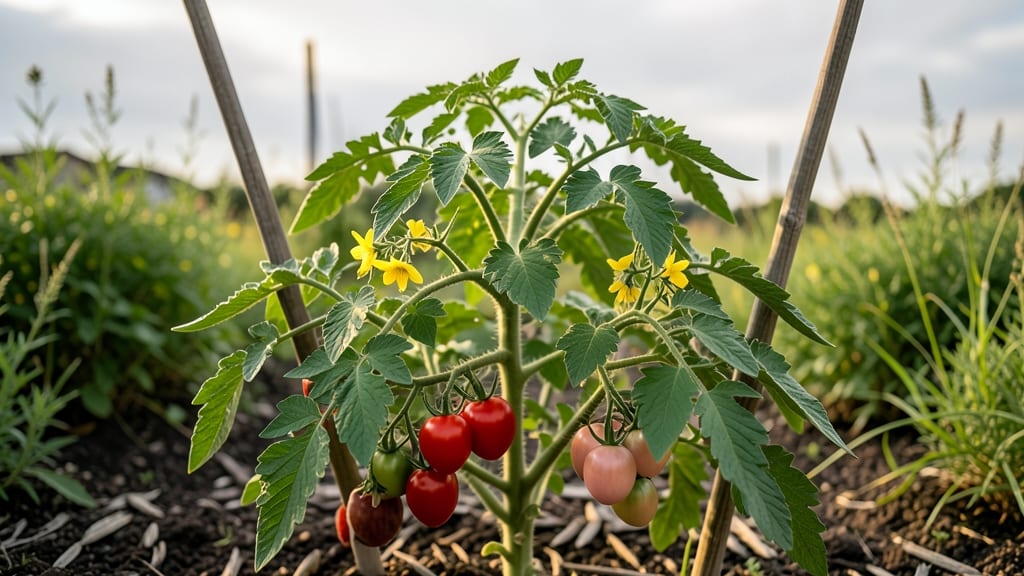
My tomato plants in hot weather used to wilt by noon, dropping blossoms faster than I could pick them—until I learned these shade-smart tricks that actually work. 🌿 The key isn't just watering more (that's a common mistake), but protecting plants from intense afternoon sun while keeping them cool enough to set fruit.
I've saved entire harvests using simple techniques like floating row covers and strategic pruning.
Start with heat-tolerant varieties like 'Solar Fire' or 'Heatmaster'—they handle 90°F+ better than standard tomatoes. Then focus on drip irrigation (not overhead watering) to keep foliage dry, and mulch with straw to regulate soil temperature.
Even a light shade cloth (30-50%) over the hottest hours can make the difference between a productive plant and one giving up.
What you'll end up with is tomatoes that keep producing through July and August instead of collapsing by midday. The plants stay green, blossoms stick around, and you avoid the heartbreak of watching fruit drop before it ripens.
My best tip? Prune aggressively to improve airflow—heat stress thrives in crowded foliage.
These methods work for backyard gardens, containers, or even urban patios with the right setup. The secret isn't fancy equipment but understanding how to work with the heat instead of fighting it. Let's get those plants thriving again!
📚 In This Guide
- What you need
- Instructions
- Tips and common mistakes
- Wrapping up and next steps
What you need
- ● Shade cloth (30-50% shade) – 10-20 sq. ft. per plant (depending on container size or garden plot). Opt for breathable, UV-stabilized fabric to allow airflow while blocking excess sun.
- ● Stakes or trellises – 2-3 per plant (bamboo or metal works best). Helps support vines and improves airflow around foliage.
- ● Drip irrigation system or soaker hoses – 1-2 per row (avoids wetting leaves, reducing disease risk). Low-flow emitters are ideal for hot climates.
- ● Mulch (straw, wood chips, or reflective mulch) – 2-3 inches deep around the base. Reflective mulch (like silver plastic) can bounce back heat if used sparingly.
- ● Balanced fertilizer (10-10-10 or 5-5-5) – 1 tbsp per plant every 3-4 weeks during heat stress. Avoid high-nitrogen—it promotes leafy growth over fruit.
- ● Pruning shears – Bypass pruners (sharp and clean) to trim excess foliage and improve airflow.
- ○ Thermometer (soil and air) – Optional but helpful to monitor temperatures. Soil should stay between 70-85°F for optimal growth.
- ● Fan (small oscillating or solar-powered) – Place near plants to create a gentle breeze (mimics natural airflow).
- ● Whitewash spray – Mix 1 part milk + 9 parts water + a drop of dish soap. Spray on leaves to reflect sunlight and reduce heat stress.
- ● Companion plants (basil, marigolds, or nasturtiums) – Interplant to provide natural shade and pest control.
- ● Heat-resistant tomato varieties – If replanting, choose ‘Solar Fire,’ ‘Heatmaster,’ or ‘Arkansas Traveler’ for better heat tolerance.
Step-by-step guide to protecting tomato plants in hot weather
Hot weather can turn lush tomato vines into wilting messes—but these shade-smart strategies keep them thriving.
☀️ Step 1: Provide Strategic Partial Shade
Tomatoes need 6-8 hours of morning sun but will appreciate afternoon shade when temperatures exceed 85°F. Install 40-50% shade cloth over plants during peak heat (12 PM–4 PM). I stretch lightweight fabric between stakes or use a removable frame to avoid blocking all light. Check for even coverage—uneven shading causes sunburned patches on exposed sides.
Watch for wilting leaves by mid-afternoon. If they perk up after sunset, your shade timing is good. If leaves stay limp overnight, increase shade coverage by 10-15% the next day. Avoid full shade—tomatoes need at least 4 hours of direct sun daily to set fruit.
💧 Step 2: Water Deeply at the Right Times
Water early morning (6-8 AM) when soil is cool, delivering 1-1.5 gallons per plant directly to the base. Wet the top 6 inches of soil—surface watering causes rapid evaporation and root stress. I use drip irrigation or a soaker hose to keep foliage dry, which prevents fungal diseases like early blight.
Check moisture by sticking your finger 2 inches deep—if dry, water again. Mulch with 2-3 inches of straw or wood chips to retain moisture and keep roots 5-10°F cooler. Avoid evening watering—wet leaves overnight invite pests and diseases.
🌿 Step 3: Prune for Better Airflow and Heat Tolerance
Remove lower leaves up to 12 inches from the ground to improve airflow and reduce heat stress. Prune aggressive suckers (side shoots) to 3-4 inches long—longer suckers compete for resources. I use sterilized pruners to avoid spreading disease, and I prune before 10 AM to let wounds heal in cooler morning air.
Look for yellowing lower leaves—this is normal in heat, but if it spreads upward or leaves curl tightly, increase shade immediately. Prune no more than 20% of foliage at once to avoid shocking the plant. Stronger canopies handle heat better, so balance pruning with support stakes for upright growth.
✂️ Step 4: Protect Fruit from Sun Scorch
Green tomatoes exposed to direct afternoon sun develop white, leathery patches (sun scald). Cover developing fruit with lightweight cheesecloth or straw hats secured with clips. I also hand-pollinate by gently shaking plants in the morning—heat reduces bee activity, leading to poor fruit set.
Harvest green tomatoes when they reach 2 inches long, even if unripe. Store them in a cool (55-60°F), dark place with high humidity (like a paper bag with a tomato) to ripen indoors. Ripe fruit should be firm, deep red, and slightly soft—overripe tomatoes split easily in heat.
🌱 Step 5: Monitor and Adjust for Extreme Heat
If temperatures hit 95°F+, move potted tomatoes to shadier spots or partially bury containers to stabilize soil temps. For in-ground plants, hill soil around the base to create a cooler microclimate. Watch for blossom-end rot (black bottoms on fruit)—this signals calcium deficiency from heat stress. Apply calcium nitrate (1 tbsp/gallon) every 2 weeks as a foliar spray.
If leaves curl tightly or turn brown, it’s a heat warning. Mist leaves lightly in early morning to raise humidity slightly, but avoid wetting foliage after 10 AM. Tomatoes are resilient—consistent adjustments (shade, water, pruning) keep them productive even in 100°F+ heat. With these tweaks, you’ll still harvest bushels of ripe tomatoes by season’s end.
Tips & tricks for perfect tomato plants in hot weather
Here's what nobody tells you about keeping tomato plants thriving when temperatures soar—these are the details that separate a struggling garden from a bountiful harvest.
Shade Timing Precision: The 6-8 hours of morning sun is non-negotiable, but afternoon shade timing is everything. I've found that starting shade at 12 PM sharp when temps hit 85°F prevents wilting while still allowing that critical 4 hours of direct sun. Use a small fan near the plants during peak heat (2-4 PM) to create airflow—this mimics natural wind and helps evaporative cooling. Watch for leaves that droop by mid-afternoon; if they perk up by evening, you're golden. If not, increase shade by 10-15% the next day.
Watering Science: The early morning watering window (6-8 AM) is your best friend, but there's more to it than timing. I've learned that 1-1.5 gallons per plant should soak the top 6 inches of soil—not just the surface. To test, stick your finger 2 inches deep; if it's dry, water again. For container plants, water until it runs from the drainage holes. Pro tip: Add 1 tbsp of Epsom salt (optional) to your water every 2 weeks during heatwaves—it boosts magnesium levels that help with heat tolerance.
Pruning Strategy: When removing lower leaves up to 12 inches, don't just cut—think about airflow. I make angled cuts just above leaf nodes to encourage upward growth. For suckers, trim to 3-4 inches and save them: place in water to root for future plants. The key is balance—never remove more than 20% of foliage at once. I've seen gardeners over-prune in heat, thinking it reduces stress, only to shock the plant into dropping fruit. Timing matters too: always prune before 10 AM so wounds heal in cooler morning air.
Heatwave Rescue: When temps hit 95°F+, immediate action is needed. For potted plants, partially bury containers in soil to stabilize temps. For in-ground plants, mound soil around the base to create a cooler microclimate. If you see blossom-end rot, act fast: mix 1 tbsp calcium nitrate per gallon of water and spray leaves (not just soil) every 2 weeks. This calcium boost prevents the black bottoms that ruin so many tomatoes. For extreme heat (100°F+), consider temporary shade structures like old window screens or even white bedsheets draped loosely over plants—just ensure airflow remains.
Pro Tips for Tomato Plants In Hot Weather
- Here's what nobody tells you about keeping tomato plants thriving when temperatures soar—these are the details that separate a struggling garden from a bountiful harvest.
- Shade Timing Precision: The 6-8 hours of morning sun is non-negotiable, but afternoon shade timing is everything.
- Watering Science: The early morning watering window (6-8 AM) is your best friend, but there's more to it than timing.
Frequently asked questions
Why do my tomato plants wilt in hot weather, even with plenty of water?
Wilting in extreme heat is often a sign of transpiration stress—your plants lose water faster than roots can absorb it. Even with consistent watering, high temps (above 90°F) can cause leaf scorch or "heat shock." Solution: Mulch heavily, water deeply at dawn, and consider temporary shade cloth (30-50% coverage) to reduce stress. Shade-smart tricks in the article can make a huge difference!
How often should I water tomato plants in 100°F+ heat?
In extreme heat, water daily at the base (1-2 inches per week) rather than relying on light sprinkles. Use drip irrigation or soaker hoses to keep soil moist without wetting leaves (which promotes disease). Pro tip: Water in the early morning to minimize evaporation and fungal risks. Check out these watering hacks for efficiency!
Can I still grow tomatoes in hot climates, or should I switch to heat-tolerant varieties?
Some varieties thrive in heat, like Heatmaster, Solar Fire, or Arkansas Traveler. These tomatoes handle temps up to 100°F+ and keep producing. If you’re already growing regular varieties, prune aggressively to focus energy on fruit, and use shade cloth during peak heat (11 AM–3 PM). See top picks for hot zones in the article!
What companion plants help tomatoes survive heat better?
Planting heat-deflecting companions like basil, borage, or marigolds near tomatoes can improve airflow and provide shade. Basil also repels pests and enhances flavor! Avoid planting near fennel or walnut trees, which compete for resources. Bonus: Tall crops like corn or sunflowers can act as natural windbreaks and reduce soil temp.
My tomato leaves are yellow and crispy—is it heat damage or a disease?
Yellow, crispy leaves in hot weather are usually heat stress or sunscald, but fungal diseases (like early blight) can mimic these symptoms. Check for:
- Dry, brown patches (heat damage)
- Dark spots with yellow halos (disease)
- Curling or wilting (both)
Quick Fix: Can I move potted tomatoes to shade if it’s too hot?
Yes! If temps exceed 95°F for days, relocate potted tomatoes to partial shade (morning sun, afternoon shade). Harden them off gradually to avoid shock. For in-ground plants, use shade cloth or a DIY frame with cheesecloth. Monitor closely—tomatoes adapt poorly to sudden shade changes, so reintroduce sun slowly over 3–5 days.
Wrapping up and next steps
Hot weather doesn’t have to spell disaster for your tomato plants—with the right shade-smart strategies, you can keep them thriving even under the sun’s fiercest glare! 🌞 From choosing the perfect companion plants to adjusting watering habits and providing temporary shade, these tricks will help your tomatoes survive—and even flourish—during scorching days.
Now that you’re armed with the know-how, it’s time to roll up your sleeves and put these tips into action. Start small: test one or two solutions this week, observe how your plants respond, and build from there.
Before you know it, you’ll be harvesting juicy, sun-kissed tomatoes all season long!