
Plants
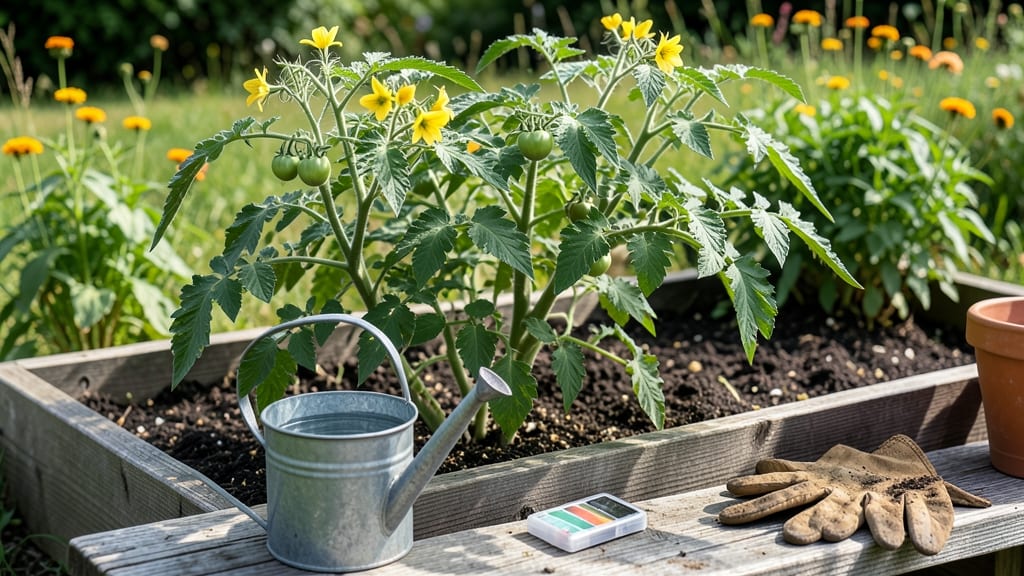
Tomato leaves turning brown at the edges can ruin a season—unless you act fast. 🌱 I’ve seen crispy, brittle leaves turn into a thriving plant in just a week by targeting the root cause, whether it’s water stress, disease, or hidden pests lurking in the soil.
Most gardeners assume it’s overwatering, but the real culprits are often underwatering, early blight, or nutrient deficiencies—especially when the brown edges appear alongside yellowing between veins.
The good news? Fixing it doesn’t mean sacrificing your fruit. Prune damaged leaves, adjust your watering schedule, and apply a copper fungicide if spots appear.
By the end of this, you’ll know exactly what’s wrong with your plants and how to reverse it—without losing a single tomato. We’ll cover 5 targeted fixes, from soil checks to organic sprays, so you can save your harvest and keep those vines lush.
Whether you’re dealing with crispy edges on heirlooms or hybrids, these solutions work for container gardens, raised beds, and in-ground plots. Let’s get your tomatoes back to healthy green in no time.
Root Causes Behind Wilting Foliage
When your tomato plants’ leaves start turning brown, it’s often a cry for help from the plant itself. Understanding the why behind this distress signal is the first step to saving your harvest.
Below, we break down the most common culprits—each with a clear scientific explanation and actionable insights to diagnose the issue accurately.
Tomato plants are not water-loving; they thrive in well-drained soil with consistent moisture—not soggy conditions. When roots sit in waterlogged soil, they suffocate, leading to oxygen deprivation and root rot (often caused by Phytophthora or Pythium fungi).
This disrupts nutrient uptake, causing leaves to yellow (chlorosis) first, then brown and crisp as cells die.
How to spot it:
- Wilting despite wet soil
- Mushy, black roots when inspected
- Brown edges with a greasy sheen (fungal infection)
Fix: Let the top 1–2 inches of soil dry between waterings. Amend heavy clay soil with compost or perlite to improve aeration. If root rot is confirmed, prune affected roots and treat with a copper fungicide.
Tomatoes crave sunlight, but intense midday heat (especially above 90°F/32°C) can scorch leaves. Direct sunlight causes oxidative stress, where chlorophyll breaks down, leaving crispy, brown patches—often on upper leaves first. Young plants or those transitioning from shade to full sun are most vulnerable.
How to spot it:
- Brown, papery edges (like sunburn on skin)
- Affects leaves exposed to western or southern sun
- No fungal growth or wilting (just dry, brittle tissue)
Fix:
- Provide afternoon shade with shade cloth (30–50%) during heatwaves.
- Mulch heavily with straw or grass clippings to insulate roots.
- Avoid overhead watering in peak sun to prevent leaf scalding.
Brown, crinkled leaves often signal a magnesium or potassium deficiency, while yellowing between veins (with brown edges) may indicate chlorosis from low nitrogen or iron. Tomatoes are heavy feeders, and poor soil health quickly shows up in foliage.
| Symptom | Likely Deficiency | Action |
|---|---|---|
| Brown edges with yellowing | Potassium (_K_) or magnesium (Mg) | Apply Epsom salt (1 tbsp/gal water) or a balanced fertilizer (e.g., 5-10-10). |
| Yellow between veins, brown tips | Nitrogen (_N_) or iron (Fe) | Use compost tea or a chelated iron supplement for acidic soils. |
| Brown spots on lower leaves | Calcium (Ca) – blossom end rot’s cousin | Side-dress with crushed eggshells or calcium nitrate. |
Pro Tip: 💡 Test your soil’s pH (ideal: 6.0–6.8). Nutrients like iron become locked in alkaline soil—amend with sulfur if needed.
Not all brown leaves are environmental—pests and pathogens can turn foliage crispy overnight. Spider mites (common in dry heat) suck sap, causing stippling and browning, while early blight (Alternaria solani) creates concentric brown rings on older leaves.
How to spot it:
- Pests: Tiny webs (mites), chewed holes (caterpillars), or sticky residue (aphids)
- Fungal diseases: Dark spots with yellow halos (early blight) or white powder (powdery mildew)
Fix:
- Pests: Spray with neem oil or introduce ladybugs.
- Diseases: Remove infected leaves immediately and apply copper fungicide preventatively.
Tomato leaves are delicate. Strong winds or rough handling (like staking too aggressively) can tear leaf tissue, exposing it to transpiration stress (rapid water loss). This causes edges to curl and brown, mimicking nutrient issues but without the internal discoloration.
How to spot it:
- Brown edges only (no spots or yellowing)
- Leaves feel dry and brittle to the touch
- New growth appears stunted or twisted
Fix:
- Install a windbreak (e.g., burlap or straw bales).
- Use soft ties for staking (avoid wire that cuts stems).
- Mulch to stabilize soil moisture and reduce evaporation.
Quick Fixes for Brown Tomato Leaves
Revive your tomato plants and keep those crispy edges from ruining your harvest with these targeted solutions. Whether it’s environmental stress, pests, or disease, each cause has a simple fix—plus tips to prevent future browning.
Signs: Yellowing leaves with brown, mushy edges; soggy soil. Why it happens: Too much water suffocates roots, cutting off oxygen and causing rot.
How to fix it: 🔥 Step 1: Pause Watering – Let the soil dry out completely for 2–3 days. Stick your finger 1–2 inches deep; if it’s damp, wait longer. 🍳 Step 2: Improve Drainage – Mix in perlite or coarse sand (1 part to 3 parts soil) to aerate the roots. If in pots, add drainage holes if missing. 👨🍳 Step 3: Repot if Needed – If the soil is compacted or waterlogged, transplant to fresh, well-draining potting mix. ⏰ Step 4: Adjust Watering Schedule – Water deeply but less often (1–1.5 inches per week, depending on climate). Early morning is best to reduce evaporation.
💡 Prevention Tips:
- Use self-watering pots with moisture sensors to avoid overwatering.
- Mulch around the base (2–3 inches of straw or wood chips) to regulate soil moisture.
- Avoid saucer traps under pots—empty excess water after 30 minutes.
Signs: Crispy, dry brown edges; wilting despite moist soil; leaves curling upward.
How to fix it: 🔥 Step 1: Water Thoroughly – Soak the soil until water drains from the bottom (for pots) or seeps 6 inches deep (for in-ground plants). 🍳 Step 2: Shade from Direct Sun – If temperatures exceed 90°F (32°C), provide afternoon shade with a lightweight row cover or shade cloth. 👨🍳 Step 3: Increase Humidity – Place a tray of water near plants or mist leaves early in the day (avoid evening to prevent fungal growth). ⏰ Step 4: Mulch Heavily – Apply 4–6 inches of mulch (straw or grass clippings) to retain moisture and cool roots.
💡 Prevention Tips:
- Water in the morning to reduce evaporation.
- Use drip irrigation for consistent moisture without wetting leaves.
- Choose heat-tolerant varieties like ‘Solar Fire’ or ‘Heatmaster’ for hot climates.
Signs: Brown spots with yellow halos, spreading upward; white or gray mold on undersides.
How to fix it: 🔥 Step 1: Prune Infected Leaves – Snip off brown or spotted leaves with sterilized scissors (wipe with rubbing alcohol between cuts). 🍳 Step 2: Apply Fungicide – Spray with a copper-based fungicide (like Copper Soap) or neem oil (1 tsp per quart of water). Reapply every 7–10 days. 👨🍳 Step 3: Improve Airflow – Space plants 18–24 inches apart and stake them to avoid crowding. ⏰ Step 4: Water at the Base – Avoid overhead watering; use a soaker hose or drip system instead.
💡 Prevention Tips:
- Rotate crops—don’t plant tomatoes in the same spot next year.
- Solarize soil in spring (cover with clear plastic for 4–6 weeks) to kill fungal spores.
- Remove all plant debris at season’s end to prevent reinfection.
Signs: Tiny webs, stippled brown spots, or sticky residue (honeydew) on leaves.
How to fix it: 🔥 Step 1: Blast Off Pests – Spray plants with a strong stream of water to dislodge mites/aphids. 🍳 Step 2: Use Insecticidal Soap – Mix 1.5 tbsp mild castile soap in 1 quart of water. Spray undersides of leaves (where pests hide). 👨🍳 Step 3: Introduce Beneficial Insects – Release ladybugs or lacewings (available at garden centers) to eat pests naturally. ⏰ Step 4: Apply Diatomaceous Earth (DE) – Sprinkle food-grade DE around the base (reapply after rain).
💡 Prevention Tips:
- Encourage predator plants like marigolds or basil nearby to attract beneficial insects.
- Inspect new plants before bringing them home—quarantine for 2 weeks if possible.
- Avoid broad-spectrum pesticides, which kill helpful insects too.
Signs:
- Brown edges + yellow veins = Calcium deficiency (blossom end rot’s cousin).
- Brown spots between veins = Potassium deficiency.
- Yellowing between veins + brown edges = Magnesium deficiency.
How to fix it: 🔥 Step 1: Test Soil pH – Ideal for tomatoes: 6.0–6.8. Adjust with lime (for low pH) or sulfur (for high pH). 🍳 Step 2: Apply Targeted Fertilizer
- Calcium: Sprinkle crushed eggshells or use calcium nitrate (1 tbsp per gallon of water).
- Potassium: Use banana peel tea (steep peels in water for 2 days) or wood ash (1 cup per plant).
- Magnesium: Mix Epsom salt (1 tbsp per gallon of water) and spray on leaves.
👨🍳 Step 3: Feed Regularly – Use a balanced fertilizer (like 10-10-10) every 2–3 weeks during fruiting.
💡 Prevention Tips:
- Compost regularly to build soil nutrients naturally.
- Avoid over-fertilizing with nitrogen—it causes lush leaves but weak fruit.
- Mulch with compost to slowly release nutrients over time.
✨ Pro Tip: If multiple issues persist, rotate your approach—sometimes browning is a mix of underwatering + fungal stress. Keep a plant journal to track watering, weather, and treatments for future reference!
Frequently asked questions
Why are my tomato leaves turning brown only at the edges?
This is often a sign of underwatering or low humidity. Tomato plants need consistent moisture, and dry edges indicate the leaves are losing water faster than the roots can supply it. Check the soil 1-2 inches deep—if it's dry, water deeply until it drains from the bottom of the pot or seeps 6 inches into the ground.
Are brown spots with yellow halos on my tomato leaves a disease?
Yes, those are classic signs of early blight, a common fungal disease. Remove infected leaves immediately and apply a copper fungicide or neem oil every 7-10 days. Improve airflow by spacing plants 18-24 inches apart and avoid overhead watering to prevent spreading.
Can I still harvest tomatoes if the leaves are turning brown?
The plant will redirect energy to the fruit, so you can continue harvesting. Focus on fixing the root cause (water, nutrients, or disease) to keep producing. Just avoid eating leaves that show signs of disease or pest damage—stick to the healthy fruit.
What's the difference between sunburn and fungal disease on tomato leaves?
Sunburned leaves have dry, papery brown edges (no spots) and occur on leaves exposed to direct afternoon sun. Fungal diseases show dark spots with yellow halos and often appear on lower leaves first. If unsure, check the undersides of leaves for fungal growth or pests.
How do I know if my tomato plant needs more water or less?
Stick your finger 1-2 inches deep into the soil. If it's dry, water deeply. If it's still moist but leaves are wilting or brown at edges, you're likely overwatering. Healthy tomato plants should have consistently moist (not soggy) soil—water when the top inch feels dry.