
Companion Plants
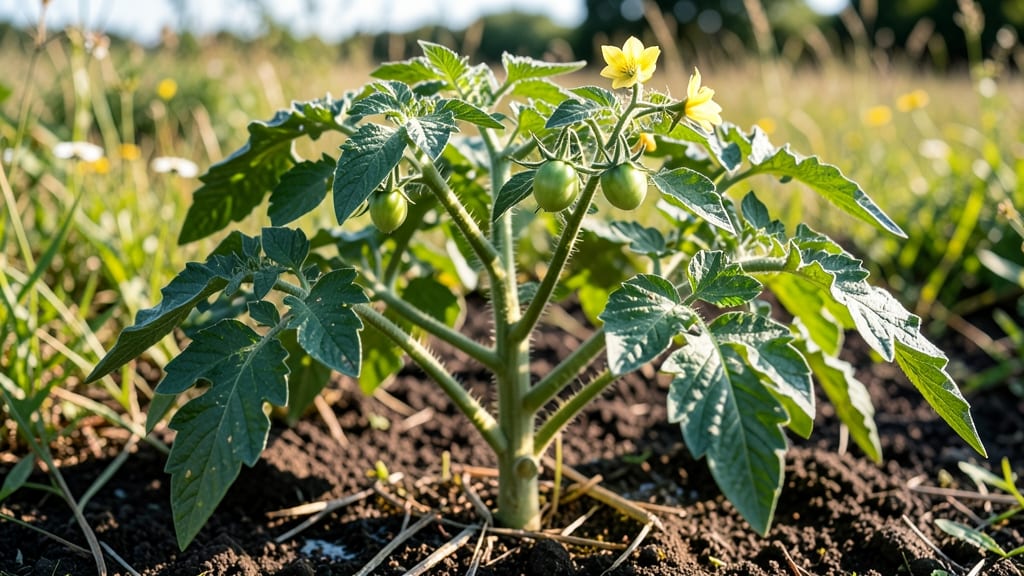
Tomato plants live between 60 to 180 days, depending on variety, with determinate types maturing in 60–80 days and indeterminate types producing fruit for 100–180 days. Proper pruning, sunlight, and care extend their lifespan and maximize yield.
Understanding how long tomato plants live helps gardeners plan their growing season effectively. Determinate varieties, like Roma or Bush Early Girl, reach maturity quickly—often within 60–80 days—because they grow to a fixed height and produce fruit all at once.
In contrast, indeterminate types such as Cherry or Beefsteak continue growing and fruiting for 100–180 days until frost kills them, making them ideal for extended harvests. 🌱 The key to longer productivity lies in consistent care: regular watering, balanced fertilizer, and strategic pruning to redirect energy toward fruit production rather than foliage.
For example, removing suckers (the shoots between the stem and branches) encourages more fruit development, while proper spacing ensures airflow to prevent disease. In warmer climates, indeterminate plants can keep producing until late fall, while cooler regions may need early starts or greenhouse support.
Knowing your variety’s growth habit lets you tailor your approach—whether you’re aiming for a single big harvest or a steady supply over months.
💡 In This Article
- Tomato Plant Lifespan by Variety: Determinate vs Indeterminate
- Extending Tomato Plant Lifespan: Best Practices for Longer Harvests
Tomato plant lifespan by variety: determinate vs indeterminate
The biological difference between determinate and indeterminate tomato plants starts at the genetic level. Determinate varieties, like the classic Roma or Celebrity, grow to a fixed height—typically 3–5 feet—because their apical meristem (the growing tip) stops producing new stems once they reach maturity.
This growth pattern triggers a synchronized fruit set, meaning all tomatoes ripen within a 2–3 week window. 🌿 The plant’s energy focuses on ripening fruit rather than vertical growth, which is why determinate types mature so quickly—often in 60–80 days—but then decline rapidly after their main harvest.
Indeterminate varieties, such as Sungold or Brandywine, operate on a completely different system. Their apical meristem continues producing new stems indefinitely, allowing them to grow 6–12 feet tall (or more with support) and produce fruit continuously until frost.
The plant’s growth habit resembles a vine, with new leaves and flowers emerging at each node. This prolonged growth explains why indeterminate tomatoes can live for 100–180 days—their lifespan is limited only by environmental factors like temperature or disease, not genetic programming. The trade-off?
Their slower initial maturity (70–90 days to first fruit) but longer overall productivity.
This growth difference also affects how plants allocate resources. Determinate types invest heavily in fruit development early, while indeterminate plants balance growth and fruiting throughout their lifespan.
For example, a Cherry tomato vine might produce 50–100 pounds of fruit over 3–4 months, whereas a determinate Beefsteak plant yields 10–20 pounds in just 6–8 weeks. The key takeaway? Choose determinate varieties for quick, concentrated harvests or indeterminate types for extended fresh tomato supplies. 🍅
Environmental factors further accentuate these differences. Determinate plants thrive in cooler climates where a short growing season demands rapid maturity, while indeterminate varieties excel in warm regions with long summers.
For instance, in Zone 5 (where frost arrives early), a determinate Early Girl might complete its life cycle before July 4th, whereas an indeterminate Black Krim could keep producing until October in Zone 9. This adaptability makes variety selection as critical as planting timing.
Another layer to consider is the plant’s hormonal response. Determinate tomatoes produce more ethylene gas during ripening, which triggers synchronized fruit maturation. Indeterminate types, however, rely on a steady supply of auxin (a growth hormone) to maintain both vertical growth and fruit production.
This hormonal balance explains why indeterminate plants often need more frequent pruning—removing suckers (side shoots) helps redirect energy from foliage to fruit, extending their productive lifespan by 30–50% in optimal conditions.
For gardeners, understanding these differences isn’t just academic—it’s practical. A determinate plant’s short lifespan means you’ll need to replant or succession plant every 2–3 months for continuous harvests, while an indeterminate plant might require staking or caging to support its weight and prevent sprawl.
The choice between the two often comes down to your growing goals: speed vs. duration, or volume vs. variety. 🌱