
Companion Plants
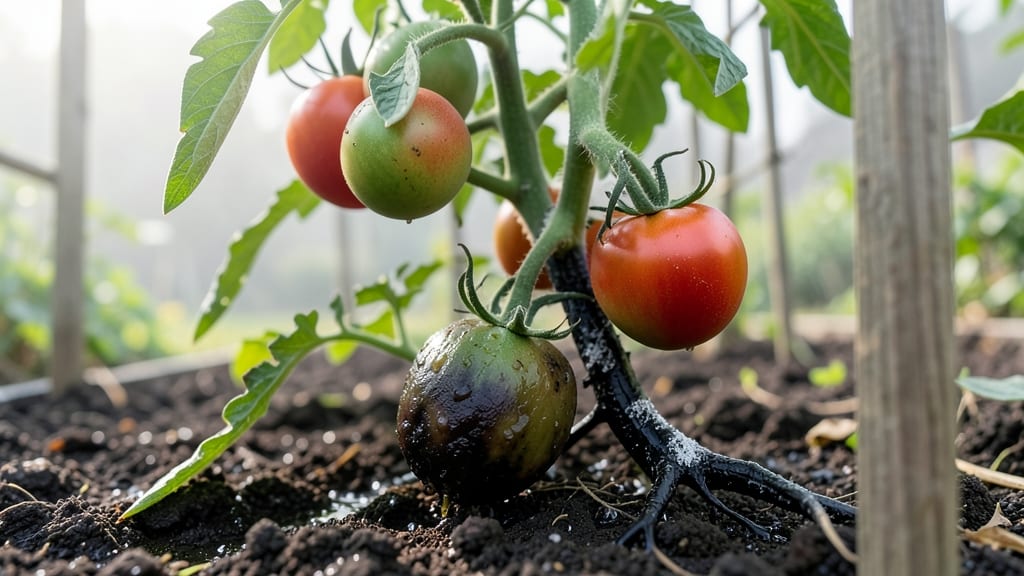
Your tomato plants rotting at the bottom isn't just cosmetic—it's a cry for help from your soil and roots. 🌱 I've saved dozens of plants from this silent killer by catching it early, and the fix is simpler than you'd think, even if your garden looks like a swamp right now.
The culprit is almost always overwatering, poor drainage, or fungal infections like Phytophthora or Fusarium—and the symptoms (mushy stems, blackened roots, wilting despite wet soil) are unmistakable once you know what to look for. The good news?
You can reverse this in 3 simple steps without losing your entire crop. By the end, your plants will stand tall again with stronger roots, better air circulation, and a soil mix that actually drains. The key is acting fast—before the rot spreads upward.
Let's turn this around before your tomatoes become a sad, soggy memory.
First, diagnose the problem: dig up a plant and check the roots. Healthy roots are firm and white; rotten ones are mushy, brown, or smell foul. If you see blackened stems at the soil line, that's your biggest red flag.
Then, improve drainage by amending your soil with coarse sand or perlite and elevating containers if needed—tomatoes hate soggy feet, just like us.
For existing rot, prune away infected stems with sterilized shears and treat the soil with a baking soda solution (1 teaspoon per gallon of water) or hydrogen peroxide (3%) to kill fungi. Space plants properly—18-24 inches apart—to prevent future crowding and improve airflow.
Prevention is where the real magic happens. Plant disease-resistant varieties like 'Mountain Merit' or 'Celebrity', mulch with straw (not wood chips), and water at the base—not overhead. A soil test every few years ensures your pH (6.0-6.8) and nutrients are balanced, so roots stay strong and rot stays away.
This isn't just about saving your plants—it's about setting them up for bigger harvests next season. The same steps work for peppers and eggplants too. Let's get those tomatoes thriving again.
The Hidden Triggers Behind Rot
If your tomato plants are showing signs of rot at the base—yellowing leaves, mushy stems, or a foul smell—you’re likely dealing with a combination of environmental and biological stressors.
Understanding these causes is the first step to saving your plants. Below, we break down the key culprits behind bottom rot, along with the science behind them.
Tomatoes thrive in moist but not soggy soil. When roots sit in waterlogged conditions, oxygen can’t reach them, creating the perfect breeding ground for root rot pathogens like Phytophthora and Pythium.
These fungi attack the roots, cutting off nutrient and water uptake, which causes the plant to weaken and eventually rot from the bottom up.
Why it happens:
- Compacted or clay-heavy soil holds too much moisture, preventing excess water from draining.
- Overzealous watering (especially overhead) keeps the soil perpetually damp.
- Lack of raised beds or containers with drainage holes traps water at the roots.
Pro Tip: 💡 Stick your finger 2 inches into the soil before watering—if it’s damp, wait. If you’re using pots, ensure they have drainage holes and elevate them on saucers.
Pathogens like Fusarium, Verticillium, and Erwinia (a bacterial soft rot) love warm, moist conditions and can lie dormant in soil for years. Once they infect the roots or stem base, they block vascular tissues, causing wilting, discoloration, and eventual collapse.
Why it happens:
- Contaminated soil from previous infected plants or poor compost.
- Splashed water from overhead irrigation spreads spores to stems.
- Stressed plants (due to drought, nutrient deficiencies, or pests) are easier targets.
Watch For: 🔍 Dark, sunken lesions on stems or a musty odor at the base—classic signs of bacterial rot.
Tomatoes need a balanced diet of nitrogen, phosphorus, and potassium, but excessive nitrogen (from over-fertilizing) can weaken stems, making them more susceptible to rot. Meanwhile, improper pH levels (below 5.5 or above 7.0) disrupt beneficial microbes and encourage harmful ones.
Why it happens:
- Too much synthetic fertilizer burns roots and disrupts microbial balance.
- Acidic or alkaline soil (common in areas with high rainfall or limestone) hampers root health.
- Lack of organic matter reduces soil structure, leading to poor aeration and water retention.
Fix It: 🌱 Test your soil’s pH (ideal range: 6.0–6.8) and amend with compost or lime/sulfur as needed. Use slow-release fertilizers or organic options like fish emulsion.
Bruised or cut stems (from rough handling or pruning) create entry points for pathogens. Meanwhile, crowded plants with poor airflow trap humidity, slowing evaporation and keeping the base damp—another rot magnet.
Why it happens:
- Over-pruning or aggressive staking damages stems.
- Planting too closely together reduces circulation and light penetration.
- Weeds or mulch piled against stems blocks airflow and holds moisture.
Prevent It: ✂️ Prune with clean, sharp tools and space plants 18–24 inches apart. Use straw mulch (not wood chips) around the base—keep it away from the stem.
Now that you know the root causes (pun intended), the next step is action! The good news? Most of these issues are reversible with the right adjustments. Stay tuned for our 3-step rescue plan to revive your tomatoes and prevent future rot.
Fixing Bottom Rot in Tomato Plants
Now that you know the culprits behind your tomato plants rotting at the base, it’s time to take action! The good news? Most fixes are simple and can save your plants with minimal effort.
Below, we’ll break down practical solutions for each common cause—plus prevention tips to keep your tomatoes thriving.
---
If your soil is soggy or waterlogged, your tomato plants are drowning. Here’s how to drain the damage and restore balance:
#### 1️⃣ Stop Watering Immediately - 🚰 Pause watering for 2–3 days to let excess moisture evaporate. - ⚠️ Warning: Don’t let the soil dry out completely—just reduce frequency. - 💡 Pro Tip: Water in the morning (not evening) to prevent fungal growth from lingering dampness.
#### 2️⃣ Improve Soil Drainage - 🏗️ Amend heavy clay soil with: - 50% compost (for organic matter) - 30% perlite or coarse sand (for aeration) - 20% coconut coir or peat moss (for moisture retention without suffocation) - 🌱 For container growers: Repot in a larger pot with drainage holes and fresh, well-draining potting mix.
#### 3️⃣ Elevate the Plant (If Needed) - If the base is chronically wet (e.g., from a low spot in the garden), mound soil around the stem to lift the roots slightly. - 🔧 Quick fix: Place a small brick or rock under the pot to create airflow.
#### 🛡️ Prevention for Next Time - 📏 Test soil moisture with your finger—water only when the top 1–2 inches are dry. - 🌧️ Use a rain gauge to track water input (especially in rainy seasons). - 🚫 Avoid mulching too close to the stem—keep it 2–3 inches away to prevent rot.
---
If black, mushy stems or white fuzzy growth signal fungal rot (like Phytophthora or Fusarium), act fast to starve the spores and save your tomatoes.
#### 1️⃣ Prune the Damage - ✂️ Cut away rotted stems with sterilized pruners (wipe with rubbing alcohol between cuts). - 🔥 Remove infected plants from the garden immediately—don’t compost them (fungus can survive).
#### 2️⃣ Apply Fungicide - 💊 Chemical option: Use copper fungicide (follow label rates) or neem oil (1 tsp per gallon of water, spray weekly). - 🌿 Organic fix: Baking soda spray (1 tsp baking soda + 1 quart water + few drops of soap) for mild cases.
#### 3️⃣ Boost Plant Immunity - 💪 Strengthen roots with a balanced fertilizer (10-10-10) or compost tea (homemade or store-bought). - 🌿 Companion plants help! Plant garlic, marigolds, or thyme nearby—they repel fungal spores.
#### 🛡️ Prevention for Fungal Rot - 🌞 Space plants 18–24 inches apart for better airflow. - 🌧️ Water at the base (not overhead) to keep leaves dry. - 🔄 Rotate crops—don’t plant tomatoes in the same spot yearly.
---
Extreme temps (either scorching heat or freezing cold) weaken plants, making them susceptible to rot. Balance the climate to help them recover.
#### 1️⃣ Shield from Heat Stress - 🌞 Provide afternoon shade with a lightweight row cover or shade cloth (30–50%). - 💧 Mulch heavily (2–3 inches of straw or wood chips) to insulate roots and retain moisture.
#### 2️⃣ Protect from Cold Snaps - ❄️ Cover young plants with frost cloth or old blankets if temps dip below 50°F (10°C). - 🏡 Move potted tomatoes to a garage or sheltered porch overnight if frost is forecasted.
#### 3️⃣ Optimize Soil Temperature - 🌡️ Ideal soil temp: 60–70°F (15–21°C) for healthy root growth. - 🔥 For cold soil: Bury a black plastic mulch or use heat mats (for containers) to warm roots.
#### 🛡️ Prevention for Temp-Related Rot - 🌱 Choose heat-tolerant varieties like ‘Heatmaster’ or ‘Solar Fire’ if you live in a hot climate. - 🌿 Plant in late spring (after the last frost) for a gentler start. - 💧 Water deeply in the morning to help roots stay cool.
---
No matter the root cause, these universal fixes can help revive struggling tomato plants:
| Step | Action | Why It Works | |----------|------------|------------------| | 🌿 Trim damaged leaves | Snip yellow/brown leaves with sterilized shears | Reduces fungal spread and directs energy to healthy growth | | 🍄 Apply hydrogen peroxide (3%) | Mix 1 tbsp per gallon of water, spray roots | Kills fungus/bacteria without harming plants | | 💧 Water deeply but less often | Soak soil 1–2 times per week (adjust for climate) | Encourages deep roots instead of shallow, weak ones | | 🌱 Add worm castings | Mix 1 cup per plant into topsoil | Boosts beneficial microbes and drainage | | 📅 Monitor progress | Check stems daily for improvement | Catches new rot early before it spreads |
--- - 💡 Test your soil (pH 6.0–6.8 is ideal for tomatoes).
Adjust with lime (to raise pH) or sulfur (to lower pH) if needed. - 🌿 Interplant with basil or nasturtiums—they improve air circulation and deter pests. - 🔄 If all else fails, propagate from healthy stems—cuttings can root in water and grow new plants!
With these steps, your tomato plants should bounce back in 1–2 weeks. Keep an eye on them, adjust care as needed, and soon you’ll be harvesting juicy, rot-free tomatoes** all season long! 🍅🌟
Frequently asked questions
Why do my tomato plants develop rot at the base even when I water them regularly?
Overwatering is the #1 cause, but poor drainage or compacted soil traps excess moisture. Roots need oxygen—if they're constantly soggy, they suffocate and rot. Check if your pots have drainage holes or if garden soil feels like wet clay when squeezed.
Can I save tomato plants with blackened stems at the soil line?
Yes, but act fast! Prune away rotted stems with sterilized shears and treat with a baking soda spray (1 tsp baking soda + 1 quart water). For severe cases, repot in fresh, well-draining soil and avoid overhead watering. Early intervention gives your plants the best chance!
What's the difference between fungal rot and bacterial soft rot in tomatoes?
Fungal rot (like Phytophthora) shows as brown, mushy stems with white fuzz, while bacterial rot creates sunken, watery lesions with a foul odor. Fungal rot spreads slower—bacterial rot moves aggressively. Copper fungicide treats fungi; hydrogen peroxide (3%) helps bacterial cases.
Will mulching make tomato rot worse?
Only if you pile mulch directly against the stem! Keep mulch 2-3 inches away from the base to prevent moisture buildup. Straw or shredded leaves work best—they improve soil health while allowing airflow. Proper mulching actually prevents rot by moderating soil temperature.
Can I use the same pot for tomatoes after they had bottom rot?
Not without cleaning first! Scrub the pot with a 10% bleach solution, rinse thoroughly, and let it dry in the sun. Fungal spores can survive in old soil—always repot in fresh, sterile mix. For containers, consider a new pot if the rot was severe.