
Companion Plants
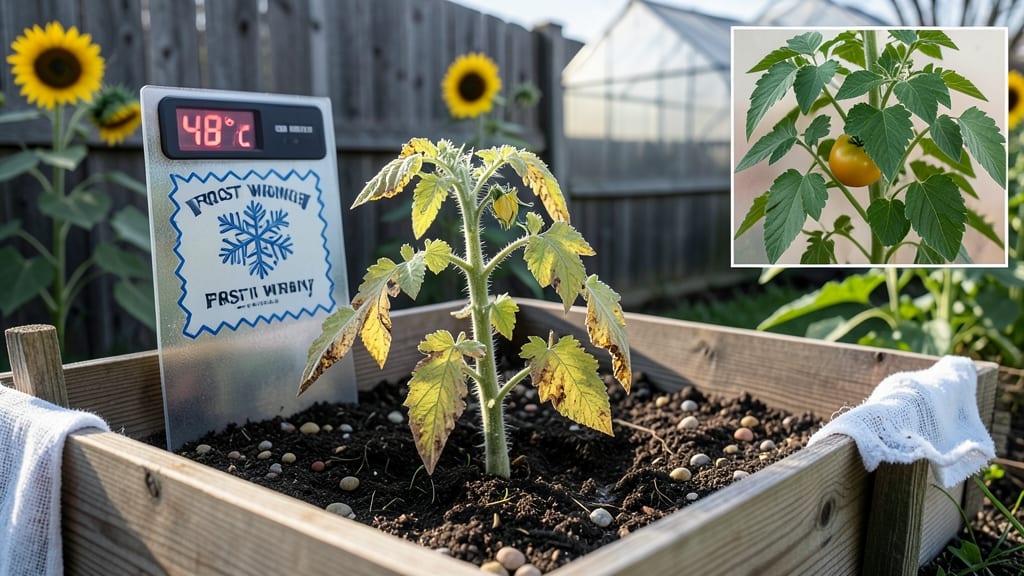
When tomato plants shiver instead of thrive, it’s time to swap heat-lovers for cold-tough varieties. 🌱 I’ve grown tomatoes in Zone 4 for years—here’s how I keep them productive even when nighttime temps dip below 50°F. The secret isn’t just row covers (though they help); it’s choosing the right plants from the start.
Cold-hardy tomatoes like ‘Stupice’ and ‘Mountain Merit’ handle 40°F nights without flinching, while ‘Glacier’ even sets fruit in cool weather. These aren’t your typical beefsteak types—they mature faster and focus energy on survival, not just size.
Pair them with black plastic mulch or straw to warm the soil, and you’ll see seedlings emerge weeks earlier than in bare ground.
By mid-July, you’ll harvest tomatoes that rival summer’s best, with flavors concentrated by the cooler weather. The plants stay compact, resist disease better, and keep producing until frost. No more sad, stunted vines—just reliable harvests even when your neighbors give up.
Works for short-season gardens, high-altitude areas, or anyone tired of waiting for summer. The key is starting early, protecting young plants, and picking varieties bred for resilience. Let’s get those tomatoes growing!
Why it happens
When your tomato plants shiver in the cold, it’s not just a matter of them looking sad—it’s a biological response to temperature extremes that disrupt their growth, flowering, and fruiting.
Understanding the root causes helps you protect your plants and even choose varieties that can handle cooler climates. Here’s why cold sends tomato plants into survival mode:
🌡️ Temperature Below Optimal Growth Range
Tomatoes (Solanum lycopersicum) are warm-season crops, thriving in temperatures between 70–85°F (21–29°C). When nighttime temps dip below 50°F (10°C) or daytime temps fall under 60°F (15°C), their metabolic processes slow down or shut down entirely. Here’s how:
- Photosynthesis halts: Cold air reduces the enzyme activity in chloroplasts, meaning leaves can’t efficiently convert sunlight into energy. Without energy, plants can’t grow or produce fruit.
- Cell damage: Cold temperatures cause ice crystal formation in plant cells, rupturing membranes and leading to chilling injury. Symptoms include yellowing leaves, wilting, and blackened stems.
- Root stress: Soil temps below 55°F (13°C) restrict root growth and nutrient uptake. Roots become sluggish, starving the plant of water and minerals.
Actionable fix: Use row covers or cold frames to raise soil and air temps by 5–10°F (3–6°C). For extreme cold, consider greenhouse growing.
❄️ Frost and Freezing Conditions
Frost (32°F/0°C or below) is a tomato plant’s worst nightmare. Unlike chilly days, frost freezes water inside plant tissues, causing:
- Cell rupture: Ice crystals expand, tearing apart cell walls. This leads to brown, mushy leaves and stem collapse.
- Nutrient lockout: Frozen roots can’t absorb water or nutrients, leading to rapid dehydration and death.
- Fruit damage: Even if leaves survive, frost can turn green tomatoes black or cause blossom end rot in surviving fruit.
Actionable fix: Monitor frost forecasts and use frost cloths or overhead sprinklers (which create a thin insulating layer of ice). Avoid mulching too early—wait until soil temps stabilize above 50°F (10°C).
🌬️ Wind Chill and Evaporative Stress
Cold winds don’t just make you shiver—they increase evaporative loss in tomato plants, drying them out faster than warm, still air. Here’s why it’s deadly:
- Transpiration spike: Wind removes the boundary layer of warm air around leaves, causing them to lose moisture rapidly. In cold conditions, roots can’t replenish water fast enough.
- Cold burn: Combined with frost, wind chill (below 20°F/-7°C) can cause brown, crispy leaf edges within hours.
- Stunted growth: Plants divert energy to osmotic protection (producing antifreeze-like compounds) instead of growing or flowering.
Actionable fix: Plant tomatoes near windbreaks (like tall corn or bamboo screens) or use wind barriers. In containers, move pots to sheltered spots or use wind-resistant varieties like ‘Stupice’ or ‘Glacier.’
🌱 Poor Soil Temperature Regulation
Cold soil is a silent killer for tomato roots. If the ground stays below 60°F (15°C) for more than a few days, roots stop growing and may even rot due to poor drainage. Key issues include:
- Slow microbial activity: Beneficial soil bacteria and fungi become dormant in cold soil, reducing nutrient availability.
- Compacted roots: Cold soil holds more water, leading to anaerobic conditions (lack of oxygen) that suffocate roots.
- Delayed germination: Seeds planted in cold soil may rot before sprouting or take weeks to emerge, giving pests or disease a head start.
Actionable fix:
- Use black plastic mulch to absorb sunlight and warm soil by 5–10°F (3–6°C).
- Plant in raised beds, which warm up faster than in-ground soil.
- Avoid working wet soil—wait until it’s at least 50°F (10°C) to prevent compaction.
Warming Up Your Tomato Garden
Cold weather can stunt your tomato plants, but with the right strategies, you can protect them and even extend their growing season. Below are practical solutions tailored to common cold-related issues, along with prevention tips to keep your plants thriving.
If your tomato plants are already struggling, act fast to minimize damage.
🔥 Extend the Growing Season with Row Covers
Cold snaps can shock tomato plants, but floating row covers act as a lightweight blanket, trapping heat while allowing sunlight and water through. - How to do it: Drape a breathable fabric (like Agribon) over tomato cages or hoops.
Secure the edges with rocks or soil to prevent wind damage. - When to use it: Deploy covers at night or during frost warnings and remove them during the day for proper airflow. - Pro tip: 💡 Use stakes to keep covers slightly off the plants to prevent overheating.
🍳 Build a Mini Greenhouse for Extra Protection
For extreme cold (below 40°F/4°C), a low-cost greenhouse can make a huge difference.
- DIY options:
- Plastic tunnels: Use PVC pipes and clear plastic sheeting to create a small tunnel over your plants.
- Cold frames: Repurpose an old window frame or build a wooden box with a transparent lid.
- Bonus: Add black plastic mulch underneath to absorb sunlight and warm the soil faster.
👨🍳 Use Heat Sources Strategically
If frost is forecasted, temporary heat sources can save your plants.
- Safe options:
- String lights (C7-C9 bulbs): Hang Christmas lights 1-2 feet above plants—they emit just enough heat to raise temps slightly.
- Heat mats or bricks: Place heating pads (like those for reptiles) under containers or warm bricks in the sun and nestle them near roots.
- ⚠️ Warning: Never use open flames or propane heaters—they can burn plants or create oxygen risks.
A little preparation can save you from last-minute scrambling.
🎯 Choose the Right Varieties for Your Climate
Not all tomatoes are created equal—some cold-hardy varieties tolerate cooler temps better.
- Best cold-resistant picks:
- Early Girl (matures in 50 days, handles light frosts)
- Stupice (a rare heirloom that thrives in cooler temps)
- Mountain Merit (disease-resistant and cold-tolerant)
- Pro tip: 🌡️ Check your USDA Hardiness Zone—some varieties (like Cherokee Purple) do better in Zones 5-7.
🥘 Optimize Planting Location for Natural Warmth
- Microclimates matter: Plant tomatoes near south-facing walls, fences, or dark mulch—these areas absorb and retain heat.
- Avoid low spots: Cold air sinks, so elevate beds or plant on slopes for better airflow and warmth.
- Windbreaks: Use bamboo fencing, shrubs, or even tall plants (like sunflowers) to block chilly winds.
🔪 Harden Off Young Plants Gradually
If you’re starting seeds indoors, acclimate them before transplanting to avoid shock. - How to harden off:
- Week 1: Move plants outside for 1-2 hours in partial shade.
- Week 2: Increase exposure to 4-6 hours, introducing direct sunlight.
- Final week: Leave them out overnight (if temps stay above 50°F/10°C). - Pro tip: ✨ Use a cloche or small plastic dome for extra protection during hardening.
If you live in a cool region, these permanent fixes will help tomatoes thrive year after year.
🌿 Mulch Heavily to Insulate Soil
Cold soil = stressed roots. Mulching keeps the ground 5-10°F warmer by blocking heat loss.
- Best mulches for tomatoes:
- Straw or hay (breathable and insulating)
- Black plastic (absorbs heat but requires slits for drainage)
- Wood chips (slow-releasing organic matter)
- How much? Apply a 3-4 inch layer around (but not touching) the stem.
💪 Start Plants Later with Slow Releases
Instead of rushing seedlings, time planting for the warmest part of the season.
- Best planting window: Wait until after the last frost (check local averages).
- Slow-release fertilizers: Use compost or aged manure to give roots a steady nutrient boost without overstimulating growth in cool soil.
🍎 Companion Plants That Add Natural Heat
Some plants repel cold or improve microclimates when planted nearby.
- Best tomato companions for cold regions:
- Basil (releases heat-loving compounds)
- Marigolds (deter pests and reflect heat)
- Nasturtiums (act as a living mulch)
- Avoid: Planting tomatoes with fennel or dill—they can stunt growth.
Final Thought: Cold weather doesn’t have to mean game over for your tomato garden. With smart variety selection, protective barriers, and soil warmth tricks, you can grow bountiful tomatoes even in chilly climates.
Try one or two of these methods this season and watch your plants thrive! 🍅❄️→🌞
Frequently asked questions
What’s the absolute lowest temperature tomato plants can survive?
Most tomato varieties can handle brief dips to 35°F (2°C), but prolonged exposure below 40°F (4°C) causes serious damage. Cold-hardy varieties like ‘Stupice’ or ‘Mountain Merit’ may survive 30°F (-1°C) for short periods, but frost (32°F/0°C) will kill them. The key is protecting plants before temps drop.
Can I still grow tomatoes in Zone 4 or colder?
Use cold-tolerant varieties (like ‘Glacier’ or ‘Early Girl’) and extend the season with row covers or mini greenhouses. Start seeds indoors 8-10 weeks early and transplant after last frost. Black plastic mulch can warm soil by 5–10°F (3–6°C), helping roots thrive in cooler climates.
Why do my tomato plants look stunted in cool weather?
Cold slows photosynthesis, so plants focus energy on survival instead of growth. Below 60°F (15°C), roots struggle to absorb nutrients, and flowers may drop. Use warmth-boosting tricks like string lights or heat mats to encourage faster growth. If leaves yellow, it’s often a sign of root stress from chilly soil.
How do I protect tomato plants from late-season frost?
Cover plants with frost cloth or row covers at night, securing edges with rocks. For containers, move pots to a sheltered spot or use overhead sprinklers (the ice layer insulates plants). Avoid mulching too early—wait until soil temps stabilize above 50°F (10°C). Monitor frost forecasts and act fast!
Will tomatoes ripen properly in cool weather?
Yes! Cooler temps (60–70°F/15–21°C) actually concentrate flavors. Use cold-hardy varieties like ‘Stupice’ that set fruit in chilly conditions. For green tomatoes, harvest and ripen indoors with a paper bag + banana (ethylene gas speeds ripening). Some gardeners even grow tomatoes year-round in greenhouses!