
Vegetables
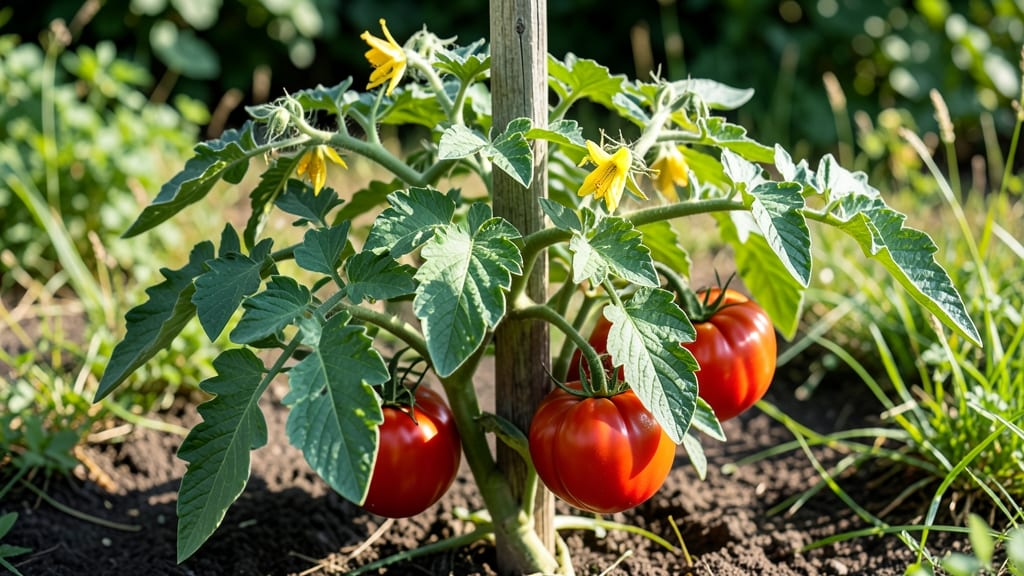
The variety of tomato whose name is also a meat is the bistecca tomato, a beefsteak-type heirloom with thick, dense flesh that mimics the texture of steak when cooked. Its Italian name literally means "steak," highlighting its hearty, savory profile perfect for rich dishes.
The bistecca tomato earned its meaty moniker through both texture and tradition. 🔥 Its unusually thick walls and low water content create a dense, almost fibrous bite that holds up to high-heat cooking—ideal for grilling or slow simmering.
Italian gardeners have long used this variety in place of meat in stews and sauces, where its robust flavor carries through long cooking times. What makes it special isn't just the name, but how it transforms dishes: a single bistecca tomato can replace multiple smaller varieties while maintaining structural integrity.
For home gardeners, these tomatoes thrive in warm climates with full sun exposure and well-draining soil, producing fruits that can weigh over 1 pound each. When selecting one at the market, look for deep red color and firmness—signs of that prized meaty density.
The variety's culinary magic lies in its ability to absorb flavors while retaining shape, making it a secret weapon in everything from grilled tomato steaks to thick, hearty marinara sauces.
💡 In This Article
- Why Bistecca Tomatoes Earn Their Meat-Like Name
- Growing and Cooking with Bistecca Tomatoes
Why bistecca tomatoes earn their meat-like name
The bistecca tomato's meaty reputation starts with its botanical structure. Unlike most tomatoes with thin walls and watery centers, this heirloom develops thick, dense flesh—often 1-2 inches thick—that contains 30-40% more solids than standard varieties.
This high solids content comes from its low water content (85% vs. 95% in slicing tomatoes), creating a texture that mimics the fibrous quality of beefsteak when cooked.
The name "bistecca" (Italian for "steak") reflects how its firm, almost chewy texture holds up to high heat, caramelizing like meat rather than collapsing.
Here's the science: The tomato's cell wall structure contains thicker pectin strands that resist breaking down during cooking. When grilled, these strands create a slightly chewy exterior while maintaining moisture inside—just like a perfectly cooked steak.
Italian chefs have long used bistecca tomatoes as vegetarian meat substitutes in dishes like ragù or pasta al pomodoro because their density allows them to absorb flavors without turning mushy.
The variety's deep red color also indicates higher lycopene content, which contributes to its rich, umami-forward taste profile that pairs well with savory ingredients.
What makes this tomato truly unique is its culinary versatility as a meat alternative. In traditional Italian cooking, tomatoes are often treated as the "meat" of a dish—providing structure and substance. A 1-pound bistecca tomato can replace 2-3 cups of smaller tomatoes in a sauce while maintaining thickness.
When sliced and grilled, the edges develop a charred crust similar to seared steak, while the interior remains juicy. This dual-texture quality makes it perfect for vegetarian "steak" sandwiches or as the star of hearty salads where it holds up to other dense ingredients.
Consider these key factors that set bistecca tomatoes apart:
- Density: Their thick walls (1-2 inches) contain 2-3x more flesh than cherry tomatoes
- Cooking behavior: Maintains shape at 400°F+ heat like meat, not collapsing like delicate varieties
- Flavor profile: Richer umami notes from higher lycopene and lower water content
- Culinary role: Functions as a meat substitute in Italian dishes where tomatoes provide structural integrity
The name "bistecca" isn't just marketing—it's a testament to how this tomato's physical properties mirror those of actual meat. When you bite into a properly cooked bistecca tomato slice, you'll notice the resistance of the flesh against your teeth, similar to biting into a medium-rare steak.
This texture comes from the tomato's high collagen content in its cell walls, which gives it that satisfying chew without being tough. 🔥 The variety's success as a meat substitute in Italian cuisine proves that sometimes, the best "meat" comes from the garden.
For those curious about the name's origins, "bistecca" directly translates from Italian to "steak," reflecting how seriously Italian gardeners take their tomatoes. In regions like Tuscany, where beef was historically expensive, these tomatoes became a protein alternative—rich enough to satisfy meat cravings while providing essential nutrients.
The name serves as both a culinary guide and a historical nod to how tomatoes have evolved from humble garden plants to versatile, meat-like ingredients in global cuisine.