
Plants
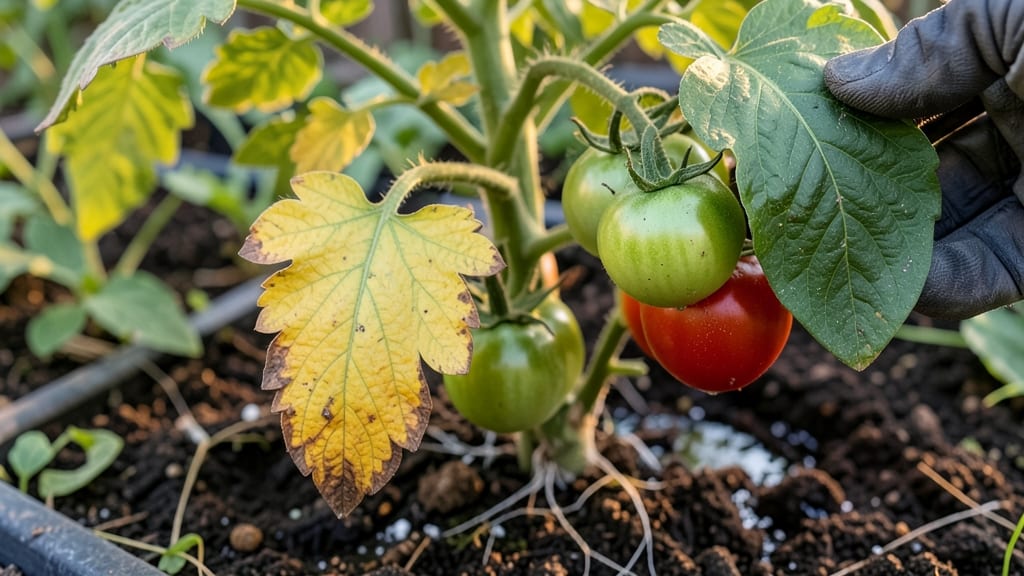
What do yellow leaves on a tomato plant mean? They’re not just a sign of trouble—they’re your plant’s way of signaling what it needs most. 🌱 I’ve seen this happen after my first big rainstorm, where what looked like healthy plants turned into leafy caution flags overnight. The good news? Most causes are fixable with simple adjustments to water, soil, or care routines.
First, check the soil moisture—yellowing often means either soggy roots (from overwatering) or thirsty ones (from underwatering). Next, inspect the undersides of leaves for pests like spider mites or signs of disease like brown spots.
Finally, look at the leaf veins: interveinal yellowing suggests nutrient deficiencies, while crispy edges point to environmental stress.
By the end of this, you’ll know exactly what your plant needs—whether it’s balanced fertilizer, better drainage, or a little shade from the afternoon sun. The key is acting fast: a few days of yellow can turn into lost harvests if ignored. Let’s diagnose it step by step.
This works for container tomatoes, raised beds, or in-ground gardens—and the fixes are all organic or low-cost. No mystery ingredients, just smart adjustments. Ready to save those plants?
Root Causes of Yellowing Tomato Leaves
Yellow leaves on your tomato plants aren’t just a cosmetic issue—they’re a cry for help from your plants! Understanding the why behind the discoloration is the first step to revival. Below, we break down the most common culprits, backed by science, so you can diagnose and act fast.
Tomato plants are heavy feeders, and when they lack essential nutrients, leaves turn yellow as a warning sign. The most common deficiencies include:
- **🌱 Nitrogen (N) Deficiency – The Classic Yellowing Nitrogen is the building block of chlorophyll, the pigment that gives leaves their green hue. Without enough nitrogen, older leaves (starting from the bottom) turn pale yellow or yellow-green**, while veins stay green.
This is your plant’s way of saying, “Feed me!” - Why it happens: Poor soil quality, overwatering (which leaches nutrients), or insufficient fertilization. - Actionable fix: Apply a balanced fertilizer (10-10-10 or 5-5-5) or organic amendments like composted manure.
For a quick boost, use liquid fish emulsion or alfalfa meal.
- 💧 Magnesium (Mg) Deficiency – The Interveinal Yellowing Magnesium is crucial for chlorophyll production. When deficient, leaves develop yellow patches between veins (a condition called interveinal chlorosis), often starting on older leaves.
This is common in alkaline soils or when plants can’t absorb magnesium due to high calcium levels. - Why it happens: Over-fertilization with lime, poor soil drainage, or excessive potassium. - Actionable fix: Apply Epsom salt (magnesium sulfate)—mix 1 tablespoon per gallon of water and spray on leaves or soil.
Repeat every 2–3 weeks. Also, test your soil pH; aim for 6.0–6.8 for optimal magnesium uptake.
- 🍃 Potassium (K) Deficiency – The Weakness Signal Potassium helps regulate water and nutrient movement in plants. A deficiency causes yellowing along leaf edges (often called scorch), which may turn brown and crispy.
This is especially common in sandy soils or when plants are stressed by drought or disease. - Why it happens: Overwatering, poor soil structure, or lack of organic matter. - Actionable fix: Use a potassium-rich fertilizer like greensand, wood ash, or banana peel tea.
For a fast fix, dissolve 1 teaspoon of potassium sulfate in a gallon of water and apply as a foliar spray.
- 🌿 Iron (Fe) Deficiency – The Young Leaf Struggle Iron is vital for chlorophyll, but plants can’t access it in alkaline soils. Unlike nitrogen deficiency, young leaves turn yellow while older ones stay green.
This is a classic sign of chlorosis (yellowing without green). - Why it happens: High soil pH (>7.0), over-fertilization with lime, or compacted soil. - Actionable fix: Lower soil pH with sulfur or peat moss, then apply chelated iron (like iron sulfate) or iron-rich compost.
For a DIY fix, spray leaves with a mix of 1 part apple cider vinegar to 10 parts water (repeat weekly).
Not all yellow leaves are due to hunger—sometimes, your tomato plant is fighting an invisible battle with its surroundings.
- **💦 Overwatering – The Drowning Problem Too much water starves roots of oxygen, leading to yellowing leaves that feel mushy (a sign of root rot).
Overwatering also leaches nutrients from the soil, worsening deficiencies. - Why it happens: Poor drainage, excessive irrigation, or waterlogged soil. - Actionable fix: Let the top 1–2 inches of soil dry out between waterings. Improve drainage with perlite or compost, and ensure pots have drainage holes.
If root rot is suspected, prune affected roots and repot in fresh, sterile soil.
- ☀️ Underwatering – The Thirsty Plant Crisis While overwatering causes mushy leaves, underwatering leads to dry, crispy yellow edges (especially on older leaves).
Plants wilt slightly during the day but recover at night—a classic sign of thirst. - Why it happens: Infrequent watering, high heat, or shallow root systems. - Actionable fix: Water deeply 1–2 times per week (more in extreme heat). Use mulch to retain moisture and drip irrigation for consistent hydration.
- 🌡️ Extreme Temperatures – The Heat or Cold Shock Tomato plants hate sudden temperature swings. Heat stress (above 90°F/32°C) causes yellowing and wilting, while cold stress (below 50°F/10°C) leads to yellow, curled leaves.
Both conditions weaken the plant’s ability to absorb nutrients. - Why it happens: Poor acclimation, lack of shade in summer, or late frost in spring. - Actionable fix: Provide afternoon shade (use shade cloth) in hot climates and row covers in cold snaps.
Choose heat-tolerant varieties like ‘Solar Fire’ or ‘Heatmaster’ for hot regions.
- 🌬️ Wind or Physical Damage – The Bruised Leaves Strong winds or rough handling can damage leaf cells, causing yellowing in irregular patches.
This is common in container-grown tomatoes or plants near fans/AC units. - Why it happens: Poor plant placement, lack of windbreaks, or aggressive pruning. - Actionable fix: Stake or cage plants securely and place them in a sheltered spot. Avoid pruning during windy days.
Sometimes, tiny invaders or sneaky pathogens are to blame for your tomato plant’s yellowing leaves.
- 🐜 Spider Mites or Aphids – The Sap-Sucking Thieves These pests pierce leaves to drink sap, causing yellow stippling (tiny dots) or curling.
Heavy infestations weaken the plant, leading to general yellowing and stunted growth. - Why it happens: Dry conditions (mites love low humidity), overcrowded plants, or weak immunity due to nutrient deficiencies. - Actionable fix: Spray plants with neem oil (1 tsp per quart of water) or insecticidal soap.
Introduce beneficial predators like ladybugs or lacewings. For severe cases, use horticultural oil.
- 🍄 Fungal Infections – The Silent Spreaders Diseases like early blight, late blight, or septoria leaf spot cause yellowing rings, spots, or entire leaves turning yellow before dropping.
Fungal spores thrive in humid, wet conditions. - Why it happens: Poor air circulation, overhead watering, or contaminated soil/tools. - Actionable fix: Remove infected leaves immediately and destroy them. Apply copper fungicide or baking soda spray (1 tbsp baking soda + 1 tsp oil + 1 gallon water).
Space plants for better airflow and water at the base (not leaves).
- 🐛 Root-Knot Nematodes – The Underground Vandals These microscopic worms damage roots, reducing water and nutrient uptake.
Above ground, you’ll see yellowing leaves, stunted growth, and wilting—even with proper watering. - Why it happens: Infested soil (common in warm climates) or reused contaminated pots. - Actionable fix: Solarize soil (cover with clear plastic for 4–6 weeks to kill nematodes).
Plant nematode-resistant varieties like ‘Mountain Merit’ or ‘Defiant PhR’. Use marigolds as trap crops to lure nematodes away.
Pro Tip:** 💡 Always check the pattern of yellowing and which leaves are affected (old vs. new). This is your plant’s “fingerprint” for diagnosing the problem!
Fix Yellowing Leaves Fast
Yellow leaves on your tomato plant don’t have to mean the end of your harvest—with the right fixes, you can revive your plant and keep those juicy tomatoes coming.
Below, we’ll break down practical solutions for each cause, from quick fixes to long-term prevention. Grab your gloves and let’s get growing!
If yellowing leaves are caused by a lack of essential nutrients, it’s time to fertilize smartly and adjust your soil care.
🔥 Fix Iron Deficiency (Chlorosis)
Iron is crucial for chlorophyll production, and a deficiency often shows as yellowing between leaf veins while the veins stay green. - Quick Fix: Apply an iron chelate (like iron sulfate or ferrous sulfate) to the soil or use a foliar spray.
Mix 1 tbsp of iron sulfate per gallon of water and spray directly on leaves. - Long-Term Solution: Improve soil drainage and lower pH (aim for 6.0–6.8) with elemental sulfur or vinegar (1 cup per gallon of water).
Avoid over-fertilizing with nitrogen, which can worsen the issue. - Prevention Tip: 💡 Test your soil every 2–3 years and amend it with compost or worm castings for slow-release nutrients.
🍳 Fix Nitrogen Deficiency (General Yellowing)
If older leaves turn yellow first, your plant is likely nitrogen-starved. Nitrogen is the building block of healthy foliage. - Quick Fix: Use a balanced fertilizer (like 10-10-10) or a quick-acting nitrogen source such as blood meal (1 tbsp per plant).
Water well after applying. - Long-Term Solution: Add compost or aged manure to the soil before planting. For container-grown tomatoes, top-dress with compost every 4–6 weeks. - Prevention Tip: 🌡️ Avoid overwatering, which leaches nitrogen away. Mulch with straw or grass clippings to retain moisture and nutrients.
👨🍳 Fix Magnesium Deficiency (Interveinal Yellowing)
Magnesium is key for chlorophyll, and a deficiency causes yellow patches between veins, often starting on older leaves. - Quick Fix: Sprinkle Epsom salt (magnesium sulfate) around the base of the plant (1 tbsp per foot of plant height).
Water thoroughly to dissolve it. - Long-Term Solution: Mix 1–2 cups of Epsom salt per gallon of water and use as a foliar spray every 2 weeks.
Also, avoid over-fertilizing with potassium, which can compete with magnesium uptake. - Prevention Tip: 🎯 Rotate crops—tomatoes deplete magnesium, so follow them with legumes or brassicas to replenish soil.
Overwatering or underwatering can stress your plant, leading to yellow leaves. Fix the watering routine to keep roots happy.
🥘 Fix Overwatering (Root Rot Risk)
Yellowing leaves with mushy stems or wilting signal root rot, often from soggy soil. - Quick Fix: Stop watering immediately and let the top 2 inches of soil dry out.
If the plant is still standing, trim any blackened roots (sterilize scissors with rubbing alcohol) and repot in fresh, well-draining soil. - Long-Term Solution: Improve drainage by adding perlite or sand to heavy clay soil.
Use containers with drainage holes and water only when the top inch of soil is dry. - Prevention Tip: ✨ Mulch with straw to regulate moisture—it keeps soil cool and reduces evaporation.
⏰ Fix Underwatering (Drought Stress)
If leaves curl and yellow at the edges, your tomato plant is thirsty. - Quick Fix: Water deeply (1–1.5 inches per week) at the base of the plant, avoiding leaves to prevent disease.
Use drip irrigation for consistent moisture. - Long-Term Solution: Mulch heavily (3–4 inches) to retain moisture. In containers, check soil moisture daily—small pots dry out faster. - Prevention Tip: 🔥 Water in the morning to reduce evaporation and fungal risks.
Heat, cold, or pests can cause yellowing leaves. Protect your plant from extreme conditions.
🔪 Fix Heat Stress (Scorched Leaves)
If leaves yellow and crisp at the edges, your plant is suffering from too much sun or heat. - Quick Fix: Provide afternoon shade with a light cloth or shade cloth (30–50% coverage).
Move potted plants to a shadier spot temporarily. - Long-Term Solution: Choose heat-tolerant varieties like ‘Heatmaster’ or ‘Solar Fire.’ Mulch with straw to keep roots cool. - Prevention Tip: 💡 Water deeply in the early morning to help leaves withstand heat.
🐛 Fix Pest Damage (Sap-Sucking Invaders)
Pests like aphids, spider mites, or whiteflies drain nutrients, causing yellowing. - Quick Fix: Spray plants with neem oil (1 tsp per quart of water) or insecticidal soap.
Repeat every 5–7 days until pests are gone. - Long-Term Solution: Introduce beneficial insects like ladybugs or lacewings. Prune affected leaves and dispose of them in a sealed bag. - Prevention Tip: 🎯 Inspect plants weekly and remove weeds, which attract pests.
Final Pro Tip: 🌿 Rotate your fertilizers—don’t rely on just one type. A mix of organic (compost, manure) and synthetic (balanced fertilizer) keeps nutrients varied and accessible.
With these fixes, your tomato plant will bounce back stronger, and you’ll be on your way to a bountiful harvest! 🍅🍅
Frequently asked questions
Why do my tomato plant's leaves turn yellow first at the bottom?
This is often a sign of nitrogen deficiency—older leaves yellow first because the plant moves nutrients to protect new growth. Check if the soil feels dry or if you've recently watered heavily (which can wash away nutrients). Try a balanced fertilizer (10-10-10) or composted manure for a quick fix.
What if the yellowing has brown spots or looks crunchy?
That's likely fungal disease like early blight or heat stress. Remove infected leaves immediately and improve airflow by spacing plants. For fungal issues, spray with a baking soda solution (1 tbsp baking soda + 1 tsp oil per gallon of water). If it's heat stress, provide afternoon shade and water deeply in the morning.
Can I save my tomato plant if most leaves are yellow?
Yes, but act fast! Prune severely yellowed leaves to redirect energy to healthy growth. Check for root rot (mushy stems) or pests (tiny webs on undersides). If roots look healthy, fertilize with Epsom salt (magnesium) and adjust watering—either let soil dry between waterings or water more consistently. With care, new green leaves should appear in 1-2 weeks.
Why are my tomato plant's NEW leaves turning yellow?
This usually means iron deficiency or overwatering. Young leaves yellowing while older ones stay green is classic chlorosis. Test your soil pH (aim for 6.0-6.8) and apply chelated iron or a foliar spray of 1 tbsp iron sulfate per gallon of water. Also check drainage—soggy soil prevents iron uptake.
Will yellow leaves affect my tomato harvest?
It depends on the cause! Mild yellowing from nutrient deficiencies can be fixed quickly with fertilizer, but severe cases or diseases may reduce fruit quality. The good news: tomatoes set fruit from leaf nodes, so even yellow plants can still produce. Focus on fixing the root cause—healthy leaves = healthier tomatoes!