
Companion Plants
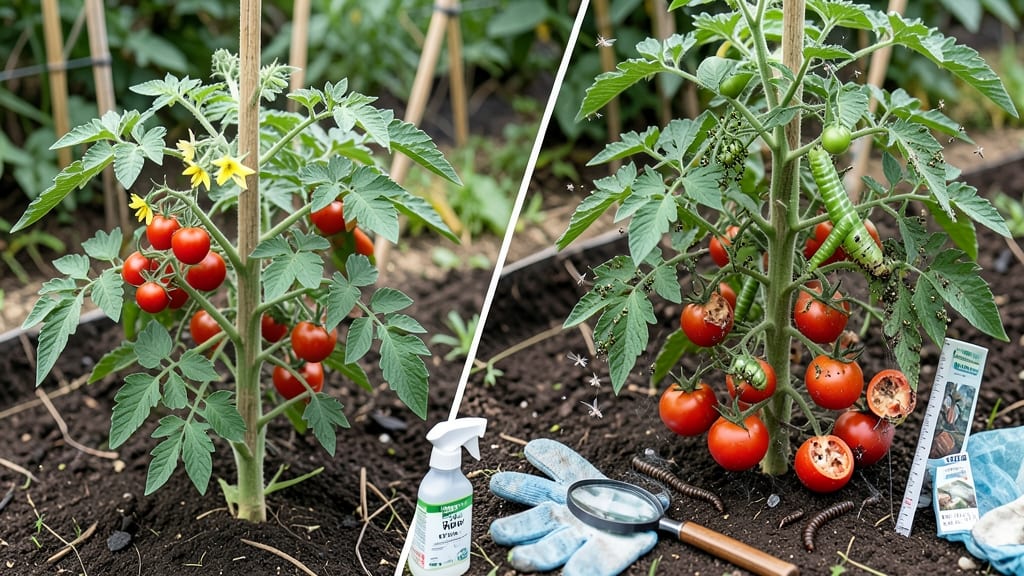
Tomato plants get hit harder by pests than almost any garden crop—those glossy leaves are basically an all-you-can-eat buffet for hungry bugs. 🌱 I’ve watched hornworms strip entire plants bare in a single night, and aphids turn leaves into sticky, curled messes faster than you can say "harvest season."
The good news? Most of these invaders leave clear signs of their feast, and natural solutions work better than you’d think. The worst offenders include hornworms (giant green caterpillars with white stripes), aphids (tiny clusters of sap-sucking insects), and colorado potato beetles (yellow-and-black striped devils that chew entire leaves).
You’ll spot them by chewed leaves, skeletonized foliage, or wilting vines—and if you act fast, you can save your plants without reaching for harsh chemicals. Prevention starts with healthy soil and strong plants, because pests target stressed tomatoes first.
Once you know what to look for, solutions become simple: handpick hornworms, spray aphids with soapy water, and plant basil or marigolds nearby to confuse beetles. The key is checking plants daily during peak pest season (late spring through summer), so you catch problems before they spiral.
Your tomatoes will thank you with juicy, blemish-free fruit by harvest time. This works for container gardens, raised beds, or in-ground plots—just adjust your approach based on what’s attacking your plants. Let’s get those tomatoes thriving again!
Root Causes Of Tomato Plant Attacks
Tomato plants are a buffet for pests—not because they’re weak, but because they’re delicious. Their tender leaves, sweet fruits, and nutrient-rich stems make them prime targets. But why do these critters show up in the first place?
The answer lies in a mix of environmental triggers, plant biology, and pest behavior. Let’s break down the science behind the feast.
Tomato plants (Solanum lycopersicum) are packed with sugars, proteins, and water—a perfect meal for hungry pests. Here’s why they’re so appealing:
- High Sugar Content: Ripening tomatoes contain fructose and glucose, which attract fruit flies, beetles, and even birds. - Soft, Tender Growth: Young leaves and stems are easy to chew through, making them ideal for caterpillars, aphids, and slugs. - Volatile Organic Compounds (VOCs): Tomatoes release scent-based signals that pests detect from miles away (yes, really!).
These chemical cues lure in hornworms, whiteflies, and spider mites.
Pro Tip: 💡 If your tomatoes are thriving, they’re also signaling pests that a feast is nearby. Prune overripe or damaged fruit to reduce the scent trail.
Pests don’t attack randomly—they follow temperature, humidity, and seasonal patterns. Here’s how weather plays a role:
| Pest | Peak Activity Conditions | Why It Matters |
|---|---|---|
| Aphids | Warm springs (60–80°F) | Thrives in moist, mild weather; reproduces rapidly. |
| Hornworms | Summer heat (75–90°F) | Needs warm nights to grow quickly. |
| Whiteflies | Dry, hot summers | Drought-stressed plants attract them. |
| Slugs & Snails | Cool, humid nights | Ideal for slow-moving munchers. |
Key Takeaway: 🌡️ If your area has unusually warm winters or prolonged dry spells, expect pest outbreaks. Drought-stressed plants are weaker and release distress signals that pests detect.
A messy garden is like a fast-food joint for pests. Here’s how clutter and neglect create problems:
- Debris & Mulch Piles: Provide hiding spots for slugs, earwigs, and cutworms. Wet mulch? A slug’s paradise. - Overcrowded Plants: Reduced airflow leads to fungal diseases (like blight), which attract fruit flies and maggots. - Weeds & Volunteer Tomatoes: These act as pest reservoirs.
Aphids on weeds can hop onto your tomatoes in seconds. - Stale Water Sources: Birdbaths, drip lines, and damp soil breed mosquitoes and fungus gnats, which then attack tomato roots.
Action Step: ✨ Clean up fallen leaves, remove weeds, and space plants 18–24 inches apart to disrupt pest habitats.
Tomatoes aren’t just food—they’re part of a delicate ecosystem. When beneficial insects (like ladybugs, lacewings, and parasitic wasps) are missing, pests take over. Common imbalances include:
- Lack of Pollinators: Bees and hoverflies help tomatoes thrive, but pesticide overuse kills them first, weakening plants.
- Missing Natural Enemies: Aphids would be controlled by ladybugs, but if you’ve used broad-spectrum sprays, those predators vanish.
- Monoculture Planting: Growing only tomatoes in a row removes diversity, making pests more aggressive.
Solution: 🌿 Plant companion flowers (like marigolds, basil, or dill) to attract predatory insects and create a balanced garden.
When tomatoes are nutrient-deficient, overwatered, or root-bound, they become easier targets. Here’s how stress opens the door to pests:
- Nitrogen Deficiency: Weak leaves attract aphids and whiteflies (they love soft, protein-rich tissue).
- Overwatering: Root rot makes plants vulnerable to cutworms and slugs, which seek out decaying matter.
- Compacted Soil: Poor drainage leads to fungal issues, which draw fruit flies and maggots.
Fix It: 💪 Test your soil, amend with compost, and water deeply but infrequently to keep plants strong.
Pests don’t attack healthy, thriving tomatoes—they go for the easy, stressed, or neglected ones. By monitoring plant health, controlling moisture, and encouraging natural predators, you can make your garden far less appealing to invaders. 🚀
(Next: Common Tomato Pests & How to Spot Them Early)
Beat Back Tomato Plant Pests Naturally
When pests invade your tomato plants, quick action is key—but you don’t need harsh chemicals to win the battle. Below are targeted, easy-to-follow solutions for the most common tomato troublemakers, along with prevention tips to keep your plants thriving. 🌱🛡️
Fix: These green caterpillars can devour a plant overnight. Here’s how to stop them:
- 🔥 Handpick & Remove: Check leaves daily (especially in the morning) and drop hornworms into soapy water. They’re big and easy to spot!
- 🍳 Introduce Beneficial Predators: Ladybugs, lacewings, and parasitic wasps (like Cotesia congregata) love hornworms. Buy them online or attract them with nectar-rich flowers (e.g., dill, fennel).
- 👨🍳 DIY Spray: Mix 1 tsp. cayenne pepper + 1 tbsp. dish soap + 1 quart water. Spray on leaves (avoid flowers to protect pollinators).
💡 Prevention Tip: Plant basil, marigolds, or borage near tomatoes—their strong scents repel hornworms.
Fix: These tiny green/black bugs cluster on new growth, leaving behind sticky honeydew (which attracts mold).
- 🥘 Blast Them Off: Use a strong stream of water from a hose to knock them away. Repeat every 2–3 days.
- 🔪 Neem Oil Spray: Mix 1 tbsp neem oil + 1 tsp soap + 1 quart water. Spray undersides of leaves where aphids hide.
- 🌡️ Encourage Ants’ Enemies: Ants love aphids (they farm them for honeydew). Disrupt their trails with diatomaceous earth or orange oil.
💡 Prevention Tip: Companion plants like garlic, chives, or petunias deter aphids naturally.
Fix: These tiny white moths flutter when disturbed and weaken plants with their saliva.
- ⏰ Yellow Sticky Traps: Hang yellow cards coated with petroleum jelly near plants to trap adults.
- 🔪 Insecticidal Soap: Spray a homemade mix (2 tbsp castile soap + 1 quart water) on both leaf sides.
- 🌿 Reflect Light: Place aluminum foil or reflective mulch around plants—whiteflies hate shiny surfaces.
💡 Prevention Tip: Avoid over-fertilizing with nitrogen, which attracts whiteflies. Use balanced fertilizer instead.
Fix: These pale green/black caterpillars chew stems at soil level, toppling seedlings.
- 🔥 Collar Barrier: Wrap cardboard collars (2–3 inches tall) around young plants to block cutworms.
- 🍳 Beer Trap: Bury a plastic cup filled with beer near plants—cutworms crawl in and drown. Refresh every few days.
- 👨🍳 Handpick at Night: Shine a flashlight after sunset to spot and remove them.
💡 Prevention Tip: Plant tomatoes deeply (bury stems up to the first leaves)—they’ll grow strong roots and outgrow cutworm damage.
Fix: These jumpy black beetles create shotgun-like holes in leaves.
- 🛡️ Row Covers: Use floating row covers early in the season to block adults.
- 🥘 Diatomaceous Earth: Sprinkle food-grade DE around the base of plants (reapply after rain).
- 🌿 Trap Crops: Plant radishes or spinach nearby—flea beetles prefer them over tomatoes.
💡 Prevention Tip: Mulch heavily with straw or grass clippings to deter beetles from laying eggs.
Fix: These nocturnal munchers leave silver trails and chewed leaves behind.
- 🔪 Beer Traps: Bury a shallow dish of beer near plants—slugs crawl in and drown.
- 🛡️ Copper Barriers: Place copper tape around raised beds (slugs get a mild electric shock).
- 🌿 Egg Cartons: Invert crushed egg cartons around plants—slugs can’t crawl over the ridges.
💡 Prevention Tip: Water in the morning (not at night) to keep slugs inactive during the day.
🎯 Pro Tip: Rotate solutions every 5–7 days to prevent pests from building resistance. And always inspect plants regularly—early action saves your harvest! 🍅✨
Frequently asked questions
What are the most destructive pests for tomato plants?
The top offenders include hornworms (giant green caterpillars that strip leaves overnight), aphids (tiny clusters that leave sticky honeydew), and colorado potato beetles (yellow-and-black striped bugs that chew leaves into lace). Other common troublemakers are whiteflies, cutworms, and slugs—each leaves distinct damage patterns.
How do I tell if my tomato plants are being attacked by pests?
Look for chewed leaves, holes, wilting vines, or sticky residue (aphid honeydew). Hornworms leave large, irregular holes, while spider mites cause yellow stippling on leaves. Check undersides of leaves and stems daily—pests often hide there first.
Can companion plants really protect my tomatoes from pests?
Basil, marigolds, and borage repel hornworms and beetles, while garlic and chives deter aphids. Even nasturtiums act as trap crops for pests. Plant them around your tomato patch to create a natural barrier and attract beneficial insects like ladybugs.
Are there any organic sprays that actually work against tomato pests?
Yes! Neem oil (mixed with soap) stops aphids and whiteflies, while soapy water (1 tsp dish soap + 1 quart water) blasts off soft-bodied pests. For hornworms, try a cayenne pepper spray (1 tsp pepper + 1 tbsp soap + 1 quart water). Always spray in the early morning to avoid harming pollinators.
What’s the best time of day to check for pests on tomato plants?
Morning is ideal—pests like hornworms and cutworms hide during the day but become active at dawn. Check for aphids, whiteflies, and spider mites in the evening when they’re most visible. Avoid inspecting after dark, as slugs and snails become active then.