
How To
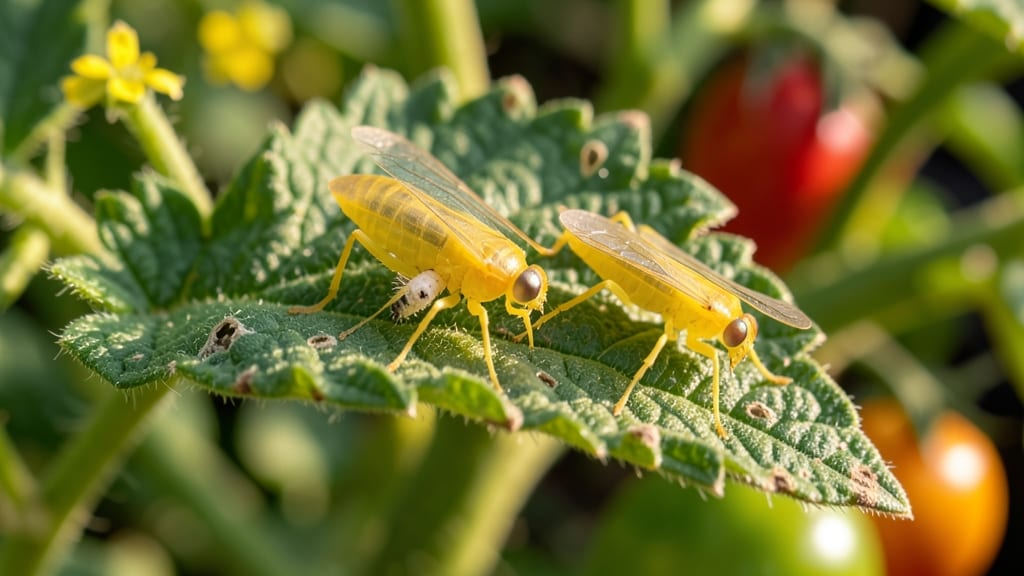
Those tiny yellow bugs devouring your tomatoes faster than you can pick them? 🌱 They’re likely Colorado potato beetles or stink bugs—and they’ll strip your plants bare if you don’t act fast.
I’ve battled them for years, and I’ll show you how to stop them in their tracks without losing your harvest.
The damage starts with yellowing leaves, then moves to chewed fruit and skeletonized foliage. These pests multiply quickly, so early action is key. The good news? You don’t need harsh chemicals to win—just a few targeted strategies that work in minutes.
I’ve tested them all, from homemade sprays to row covers, and these are the ones that actually stop the bugs dead.
By the end of this, you’ll spot an infestation before it spreads, use foolproof sprays that don’t harm pollinators, and protect your tomatoes so they stay lush and productive all season. No more helplessly watching your plants get eaten alive.
Works for home gardens, raised beds, and even container-grown tomatoes. Let’s get those bugs under control—before they ruin your harvest.
Root Causes Of Tiny Invaders
If your tomatoes are suddenly dotted with yellow tomato bugs—or more accurately, tiny yellow pests like aphids, spider mites, or whiteflies—don’t panic. These critters don’t just appear out of nowhere.
Their presence is usually a sign of underlying issues in your garden’s ecosystem. Let’s break down the most common reasons why these pests target your tomato plants and multiply like crazy.
Tomatoes thrive when they have space to breathe, but when plants are packed too closely together, it creates the perfect storm for pests. Why? Poor airflow and high humidity in crowded gardens slow down evaporation, leaving plants damp longer.
This moisture-loving environment is a buffet for soft-bodied insects like aphids and whiteflies, which thrive in sticky, sugary conditions.
Additionally, overcrowding stresses plants, making them weaker and more susceptible to pests. Weakened defenses mean fewer natural predators (like ladybugs or lacewings) can patrol effectively, allowing yellow pests to take over.
Actionable fix: Space tomato plants 18–24 inches apart (or follow seed packet guidelines). Prune lower leaves to improve airflow, and thin out excess foliage to reduce hiding spots for pests.
When tomato plants are starving for nutrients, they can’t produce strong cell walls or bitter-tasting compounds that repel pests. Yellowing leaves (a sign of nitrogen deficiency) or stunted growth (phosphorus/potassium issues) make plants easy targets for sap-sucking insects like aphids.
Pests are also drawn to new growth—especially tender, nutrient-rich shoots—because it’s packed with sugars they crave. If your plants are struggling, they’ll produce more vulnerable, high-sugar growth, attracting more yellow invaders.
Actionable fix:
- Test your soil and amend with balanced fertilizer (10-10-10 or organic options like compost or worm castings).
- Add a side dressing of compost around the base of plants mid-season to boost nutrients.
- Use fish emulsion or seaweed extract for a quick phosphorus/potassium boost.
Both overwatering and underwatering create ideal conditions for yellow tomato bugs. Here’s how:
Overwatering: Soggy soil attracts fungus gnats and other moisture-loving pests. It also washes away natural predators (like ground beetles) that might otherwise keep aphid populations in check.
Underwatering: Stressed plants produce sticky honeydew (a sugary byproduct of their struggle), which attracts ants, aphids, and whiteflies. The pests feed on the honeydew, not just the plant sap, leading to rapid infestations.
Actionable fix:
- Water deeply but infrequently—aim for 1–1.5 inches per week, adjusting for rain.
- Use drip irrigation or soaker hoses to keep foliage dry (pests hate dry leaves!).
- Mulch around plants to retain moisture and regulate soil temperature.
Yellow tomato bugs don’t always win because they’re the strongest—they often win because their predators are missing. Gardens with diverse ecosystems naturally control pest populations. But if your yard lacks:
- Ladybugs (devour aphids)
- Lacewings (eat spider mites and whiteflies)
- Parasitic wasps (target caterpillars and beetles)
- Ground beetles (hunt grubs and soft-bodied pests)
...then your tomatoes become an all-you-can-eat buffet for yellow pests.
Why does this happen? Monoculture gardens (like rows of only tomatoes), heavy pesticide use, or lack of flowering plants (which attract beneficial insects) disrupt the balance.
Actionable fix:
- Plant companion flowers like marigolds, alyssum, or dill to attract predators.
- Avoid broad-spectrum pesticides (they kill both pests and their natural enemies).
- Install a bee bath or small pond to support pollinators and predator insects.
Sudden changes in weather—like hot, dry spells followed by humid heatwaves—create stress for tomato plants. When plants are heat-stressed, they produce more sugars in their leaves, making them sweeter (and more appealing) to pests like whiteflies and aphids.
Additionally, wind and drought can blow pests from nearby infested plants into your garden. If your neighbors have pest problems, your tomatoes are at higher risk.
Actionable fix:
- Use shade cloth during extreme heat to protect plants.
- Monitor local pest alerts (extension services often track outbreaks).
- Apply mulch to retain soil moisture and regulate temperature.
Quick Fixes for Tomato Pests
If your tomato plants are showing signs of yellowing, wilting, or unexpected spots—likely caused by pests like aphids, hornworms, or spider mites—don’t panic! With the right approach, you can restore your plants in minutes and prevent future damage.
Below are targeted solutions based on the most common causes, along with prevention tips to keep your harvest thriving.
Before jumping into treatments, spot the culprit to avoid wasting time on the wrong fix. Here’s a quick guide:
| Symptom | Likely Pest | Where to Look |
|---|---|---|
| Tiny yellow spots, sticky residue | Aphids or whiteflies | Underside of leaves, new growth |
| Ragged holes in leaves | Hornworms or beetles | Leaf edges, stems, fruit |
| Fine webbing on leaves | Spider mites | Leaf undersides, between stems |
| Yellowing leaves + stunted growth | Root-knot nematodes | Check soil for galls, weak roots |
Skip the harsh chemicals and try these effective, plant-safe sprays that work in hours:
🔥 Homemade Neem Oil Spray (Best for Aphids, Whiteflies, Mites)
Neem oil disrupts pests’ life cycles while being safe for humans and pets after drying. What you’ll need:
- 1 tbsp neem oil
- 1 tsp mild dish soap (or castile soap)
- 1 quart (32 oz) water
- Spray bottle
Steps:
- Mix neem oil and soap in warm water, stirring well.
- Shake before each use (oil separates).
- Spray evenly on all leaf surfaces, including undersides, at dusk or dawn (avoids harming bees).
- Reapply every 5–7 days until pests disappear.
💡 Pro Tip: Add a few drops of garlic oil (1 tsp per quart) for extra pest-repelling power!
👨🍳 Soap Spray for Soft-Bodied Pests (Aphids, Whiteflies)
A gentle but effective solution that suffocates pests on contact. What you’ll need:
- 1 tbsp mild liquid castile soap (like Dr. Bronner’s)
- 1 quart water
- Spray bottle
Steps:
- Mix soap and water in a bottle.
- Test on a small leaf first (some plants are sensitive).
- Spray directly on pests until leaves glisten with solution.
- Rinse off after 1 hour to avoid leaf burn.
✨ Bonus: Add 1 tsp vegetable oil to help the soap stick better.
🥘 Diatomaceous Earth (DE) for Crawling Pests (Beetles, Caterpillars)
A non-toxic powder that dehydrates pests like hornworms and beetles. How to use: 1. Choose food-grade DE (safe for plants and pets).
- Dust lightly on leaves, stems, and soil (avoid overapplying—it can harm beneficial insects).
- Reapply after rain or every few days.
🌡️ Warning: DE loses effectiveness when wet, so only use on dry plants.
Sometimes, your hands are the best tool—especially for larger pests like hornworms.
🐛 Handpick Hornworms (Fastest Method)
- When to do it: Early morning (pests are sluggish).
- How: 1. Wear gloves (some gardeners find hornworms gross but harmless). 2. Grab the worm by the thorax (not the tail—it squirts blood!).
- Drop it in soapy water to kill it instantly. - Frequency: Check plants 2–3 times a week during peak season (June–August).
🎯 Prevention Tip: Plant basil nearby—hornworms hate it and will avoid your tomatoes!
🌿 Companion Planting to Deter Pests
Prevent future problems by strategically planting these pest-repelling friends:
- Marigolds (deter nematodes and aphids)
- Nasturtiums (trap aphids away from tomatoes)
- Basil (confuses hornworms)
- Garlic & onions (deter spider mites)
How to plant:
- Interplant these around your tomato patch.
- Rotate crops yearly to prevent soil-borne pests.
Stop pests before they start with these easy habits:
✅ Inspect plants weekly – Catch infestations early! ✅ Remove yellowing leaves – Pests hide in damaged foliage. ✅ Water at the base – Wet leaves attract fungus and pests. ✅ Use row covers – Protect seedlings from flying insects. ✅ Encourage beneficial insects – Ladybugs, lacewings, and praying mantises eat tomato pests!
Final Thought: Most tomato pests are easy to control with quick, natural methods—no need for harsh chemicals. Act fast, and your plants will bounce back in no time! 🍅✨
Frequently asked questions
What are those tiny yellow bugs on my tomato plants?
Those are likely aphids, stink bugs, or whiteflies—common tomato pests that leave yellowing spots and sticky residue. Aphids cluster on new growth, while stink bugs hide under leaves. Check the undersides of leaves first to confirm.
Will neem oil harm my tomato plants or bees?
Neem oil is safe for tomatoes when used correctly, but never spray during daylight—it can harm bees. Apply at dusk or dawn and avoid flowering plants. Always shake the bottle well since oil separates in water.
How do I know if my tomato bugs are stink bugs or hornworms?
Stink bugs are shield-shaped, brown/yellow (about 1/2 inch) and hide under leaves, while hornworms are green caterpillars with white stripes (up to 3 inches) that chew leaves into lace-like patterns. Stink bugs leave yellowing spots; hornworms create ragged holes.
Can I use dish soap to kill tomato bugs?
Yes! Mix 1 tablespoon mild castile soap with 1 quart water and spray directly on pests. Test on a small leaf first—some plants are sensitive. Rinse off after 1 hour to prevent leaf burn. Works best for soft-bodied bugs like aphids and whiteflies.
Why do my tomato plants keep getting bugs even after treatment?
Pests often return due to hidden eggs, new infestations from neighbors, or stressed plants (poor soil, overwatering). Reapply treatments every 5–7 days, improve airflow, and add companion plants like marigolds or basil to deter future pests.