
Pests
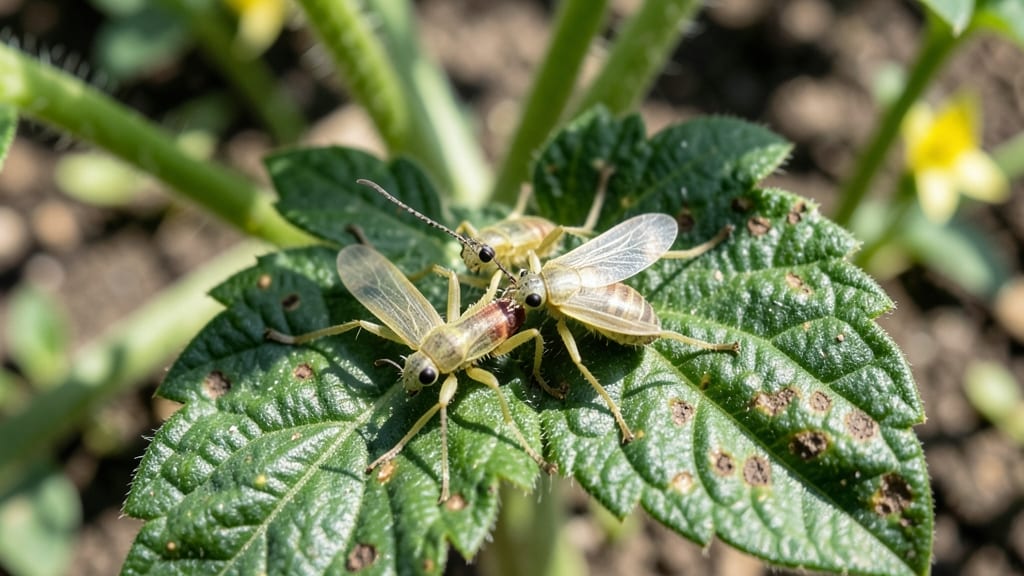
Bugs on tomato plant leaves mean your harvest could be at risk if you don’t act fast. 🌱 I’ve lost entire plants to aphids and hornworms—until I learned these three quick identification tricks that save my tomatoes every season. The key is spotting the damage early, before it spreads.
Most common culprits are tiny aphids clustering on new growth, spider mites weaving webs on undersides, or hornworms stripping leaves overnight. Each leaves distinct clues: sticky residue for aphids, yellow speckles for mites, and chewed holes for caterpillars.
A magnifying glass helps, but your eyes will catch the bigger problems first.
Once you know what’s attacking, solutions are simple: blast aphids with water, handpick hornworms, or spray neem oil for mites. I’ve never used chemicals—organic methods work when you act within 48 hours of noticing damage. Prevention is even easier: companion plants like basil and marigolds keep pests away naturally.
This method works for container gardens, raised beds, or backyard plots. The sooner you intervene, the more tomatoes you’ll save—no more sad, skeletonized plants at harvest time. Let’s get those leaves looking healthy again.
Root Causes of Leaf Invaders
When tiny critters start feasting on your tomato plant leaves, it’s rarely just bad luck—there’s usually a reason behind the infestation. Understanding why these pests show up is the first step to stopping them before they ruin your harvest.
Below, we break down the most common culprits and the conditions that turn your garden into an all-you-can-eat buffet for bugs.
Tomato plants under stress—whether from drought, poor soil, or overcrowding—release chemical signals that attract pests. Why? Stressed plants have weaker defenses, and their sugary sap becomes an easy snack for insects like aphids, spider mites, and whiteflies.
- Drought stress: When soil dries out, roots struggle to absorb water, and leaves wilt slightly. This triggers the plant to produce more sugars in its leaves to compensate—a magnet for sap-sucking bugs.
- Nutrient deficiencies: Lack of nitrogen (yellowing leaves) or potassium (weak stems) weakens the plant’s immune response, making it easier for pests to latch on.
- Overcrowding: Too many plants competing for sunlight and nutrients create shaded, humid microclimates—perfect breeding grounds for fungus gnats and slugs.
💡 Pro Tip: Mulch around tomato plants to retain moisture and reduce stress. A 2–3 inch layer of straw or wood chips keeps roots cool and pests away.
Pests thrive in messy gardens. Why? Decaying organic matter, old plant debris, and even weeds provide hiding spots and food sources for bugs before they move on to your tomatoes.
- Leaf litter: Dead leaves or fallen fruit create humid, sheltered environments where aphids and spider mites lay eggs undisturbed.
- Weeds as pest hotels: Many weeds (like nightshade or purslane) host tomato pests like hornworms or flea beetles.
- Unwashed tools: Pruners or stakes contaminated with pest eggs can spread infestations from one plant to another.
🔥 Action Step: Clear debris regularly—especially after harvest—and sanitize tools with a 1:10 bleach-water solution to break the pest cycle.
Bugs love specific conditions—too much heat, humidity, or even sudden temperature swings can trigger outbreaks. Why? Certain pests have ideal ranges where they reproduce rapidly.
| Pest | Triggering Conditions | What It Means for Your Tomatoes |
|---|---|---|
| Aphids | Cool, damp springs (50–70°F) | Explosive population growth; sticky honeydew attracts sooty mold. |
| Spider Mites | Dry, hot weather (>85°F) | Webbing on undersides of leaves; severe defoliation if untreated. |
| Flea Beetles | Hot, dry soil (common in early summer) | Tiny shot-hole damage on young leaves; weakens plants before fruiting. |
✨ Prevention Hack: Use shade cloth (30–50%) in peak summer to deter mites, or install a drip irrigation system to maintain even moisture—drought-stressed plants attract more pests.
Healthy gardens have a balance—birds, ladybugs, lacewings, and parasitic wasps keep pest populations in check. Why do they disappear? Overuse of pesticides, monoculture planting (only tomatoes!), or habitat loss reduces these allies.
- Broad-spectrum pesticides: Kill both pests and their predators (e.g., neonicotinoids harm bees and ladybugs).
- No diversity: Planting only tomatoes leaves no food for beneficial insects when pests are scarce.
- Urban/suburban gardens: Fewer wildflowers or shrubs mean fewer habitats for predator species.
🌿 Solution: Plant companion flowers like marigolds, dill, or alyssum near tomatoes to attract predatory insects. Avoid synthetic pesticides—opt for neem oil or soap sprays instead.
Fixing Leaf Pests Naturally
Now that you’ve identified the unwanted guests feasting on your tomato plant leaves, it’s time to take action! The good news? Most of these pests can be managed—even eliminated—without resorting to harsh chemicals.
Below, we’ve mapped out practical, step-by-step solutions for the most common culprits, along with prevention tips to keep your plants thriving long-term.
Fix:
- Blast Them Away 💦
- Use a strong stream of water from your hose to dislodge aphids from leaves. Repeat every 2–3 days until they’re gone.
- Pro tip: Do this in the early morning so leaves dry quickly, preventing fungal issues.
- Neem Oil Spray 🌿
- Mix 1 tbsp neem oil + 1 tsp mild soap + 1 quart water in a spray bottle. Shake well and apply to both leaf surfaces (especially undersides where aphids hide).
- Reapply every 5–7 days for 2–3 weeks.
- Introduce Beneficial Insects 🐞
- Ladybugs and lacewings love aphids. Purchase them online or from garden centers and release them near infected plants.
Prevent:
- Encourage diversity in your garden—aphids thrive on stressed plants. Healthy, well-spaced tomatoes are less appealing.
- Remove yellowing leaves (aphids adore weak foliage).
- Plant companion crops like marigolds or basil, which repel aphids naturally.
Fix:
- Wipe Them Down 🧼
- Dampen a soft cloth or sponge with soapy water (1 tsp dish soap per gallon) and gently scrub infested leaves.
- Focus on undersides and stems where mites hide.
- Horticultural Oil 🛡️
- Apply horticultural oil (not motor oil!) in the early evening to suffocate mites. Reapply every 5–7 days for 2 weeks.
- Caution: Avoid spraying when temps exceed 90°F (32°C)—it can burn plants.
- Increase Humidity 💧
- Spider mites hate humidity. Mist plants daily or place a shallow tray of water near them to raise moisture levels.
Prevent:
- Water deeply and consistently—drought-stressed plants attract mites.
- Use reflective mulch (like aluminum foil) to deter mites with light reflection.
- Avoid over-fertilizing with nitrogen—it makes plants more susceptible.
Fix:
- Handpick the Pests 👨🍳
- Wear gloves and pluck hornworms off leaves—drop them in soapy water to kill them instantly.
- Check every morning and evening (they grow fast!).
- Bacillus Thuringiensis (Bt) 🦠
- Spritz leaves with Bt spray (a natural bacteria toxic to caterpillars but safe for humans/plants). Reapply after rain.
- Encourage Parasitic Wasps 🐝
- These tiny wasps lay eggs inside hornworms, killing them naturally. They’re harmless to gardeners!
Prevent:
- Remove egg clusters (tiny white ovals on leaves) before they hatch.
- Plant basil nearby—hornworms avoid it.
- Rotate crops to disrupt their life cycle.
Fix:
- Yellow Sticky Traps 🎯
- Hang yellow sticky cards near plants to trap adult whiteflies. Check and replace every 3–4 days.
- Soap Spray 🧴
- Mix 1 tbsp castile soap + 1 quart water and spray directly on undersides of leaves where whiteflies cluster.
- Neem Oil + Kaolin Clay 🌿
- Combine neem oil + kaolin clay (a natural repellent) and spray to smother eggs and adults.
Prevent:
- Avoid overwatering—whiteflies love damp, crowded plants.
- Use row covers early in the season to block adults from laying eggs.
- Clean up debris (fallen leaves attract whiteflies).
- Inspect plants weekly—catch infestations early! 🔍
- Rotate crops yearly to disrupt pest life cycles.
- Promote biodiversity—healthy soil = stronger plants that pests avoid.
- Use row covers for young plants to block adult pests before they lay eggs.
Remember: Patience is key! Some solutions take 2–3 weeks to fully work. Monitor your plants, stay consistent, and soon you’ll have pest-free, thriving tomatoes—ready to harvest! 🍅✨
Frequently asked questions
What are the most common bugs that attack tomato plant leaves?
The top culprits are aphids (tiny green/black clusters), spider mites (tiny webs on undersides), hornworms (large green caterpillars with white stripes), and whiteflies (tiny white moths that flutter when disturbed). Each leaves distinct damage clues: aphids cause curled leaves, mites create yellow speckles, and hornworms strip leaves overnight.
How do I know if my tomato plant bugs are harmful or beneficial?
Look for damage patterns: Harmful bugs like aphids and mites leave sticky residue or chewed leaves, while beneficial insects (ladybugs, lacewings, parasitic wasps) don’t damage plants. Ladybugs eat aphids, and lacewings have delicate wings—both are your allies! Never spray these helpers.
Can I use household items to treat tomato plant bugs?
Yes! Mix 1 tablespoon dish soap + 1 quart water in a spray bottle for aphids and whiteflies. For mites, try neem oil (1 tbsp + 1 tsp soap + 1 quart water). Always test sprays on a small leaf first. Avoid vinegar—it can burn plants. For hornworms, simply pick them off by hand and drop them in soapy water.
Will my tomato fruits still be safe to eat if the leaves have bugs?
Most leaf-eating bugs (like hornworms and beetles) don’t directly contaminate fruit, but sap-suckers (aphids, mites) can spread viruses. If you see heavy infestations, treat immediately. Always wash tomatoes thoroughly before eating. The key is acting fast—once bugs move to fruit, damage is more likely.
How often should I check my tomato plants for bugs?
Inspect leaves every 2–3 days during growing season, focusing on undersides and new growth where bugs hide. Morning checks work best—bugs are sluggish then. After rain or when plants look stressed, check more frequently. Prevention beats treatment every time!