
Plants
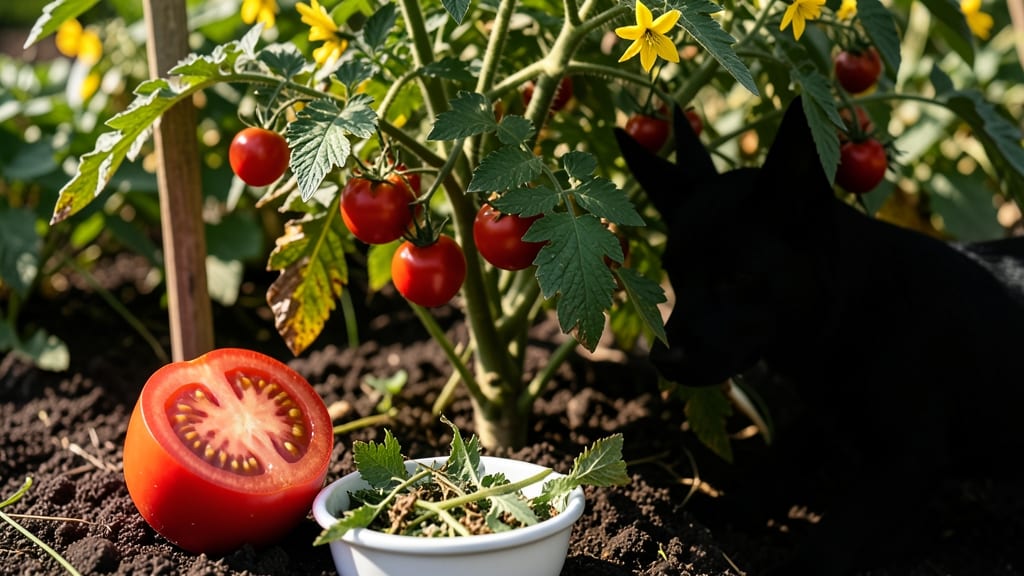
Tomato plants are bad for dogs because their green parts and unripe fruit contain solanine and tomatine, which may trigger vomiting, diarrhea, or lethargy. Only fully ripe red tomatoes in small amounts are generally safe, but stems and leaves must always be avoided.
Tomato plants are bad for dogs primarily through their green foliage and unripe fruit, which contain natural toxins like solanine and tomatine. These compounds can cause mild to severe gastrointestinal upset, depending on the dog's size and sensitivity. 🐕 The good news?
Ripe red tomatoes in moderation are typically safe, but even then, it's wise to monitor your pup for any adverse reactions. What's critical is avoiding the stems and leaves entirely—they're the most concentrated sources of these harmful compounds.
If your dog accidentally ingests tomato plant parts, watch for symptoms like drooling, weakness, or loss of appetite. In such cases, contact your vet or a pet poison hotline immediately. Prevention is key—consider dog-safe alternatives like basil, parsley, or sunflowers for your garden instead.
💡 In This Article
- Toxic Components in Tomato Plants Dogs Should Avoid
- Dog-Friendly Garden Alternatives to Tomato Plants
Toxic components in tomato plants dogs should avoid
Tomato plants contain two key toxins that pose risks to dogs: solanine and tomatine. Solanine is a glycoalkaloid found in the green parts of the plant, including stems, leaves, and unripe fruit, while tomatine is concentrated in the foliage.
These compounds act as natural pesticides, protecting the plant from insects and diseases. When ingested, they can disrupt a dog's nervous system by interfering with acetylcholine receptors, leading to symptoms ranging from mild digestive upset to more severe neurological effects.
The toxicity level varies significantly by plant part. Green tomato leaves and stems contain the highest concentrations—about 0.2-0.5% solanine by dry weight—while ripe red tomatoes have negligible amounts (typically <0.001%).
For example, a 10-pound dog eating just 5-10 grams of green tomato leaves (roughly a handful) could experience symptoms like vomiting or diarrhea, whereas ripe tomatoes would need to be consumed in much larger quantities to cause issues.
The bright green color of these parts is a natural warning sign for animals, but curious pups may still investigate.
Symptoms of tomato plant poisoning in dogs typically appear within 6-12 hours and may include drooling, weakness, loss of appetite, or even tremors in severe cases. The severity depends on the dog's size, age, and overall health.
A 100-pound dog might tolerate a small amount better than a 5-pound Chihuahua, but there's no safe threshold for green parts.
Even a single leaf could trigger a reaction in sensitive dogs. 🌱 The key is prevention—keeping tomato plants out of reach and opting for dog-safe alternatives in your garden.
Interestingly, the ripening process drastically reduces these toxins. As tomatoes transition from green to red, their solanine and tomatine levels drop by 90% or more, making them far safer. This is why fully ripe tomatoes are generally considered non-toxic in moderation.
However, the stem and leaf bases—even on ripe tomatoes—remain dangerous, as these areas retain higher toxin concentrations. Always remove these parts before offering tomatoes to your dog.
For perspective, the toxic dose of solanine for dogs is estimated at 0.1-0.2 mg per pound of body weight. A single green tomato leaf (about 3-5 grams) could contain enough solanine to exceed this threshold for a small dog.
This is why pet owners should treat tomato plants with the same caution as other common household hazards like lilies or chocolate. The visual contrast between the vibrant red fruit and the toxic green parts makes it easy to accidentally feed the wrong portion.
If you suspect your dog has ingested tomato plant parts, monitor for symptoms and contact your vet immediately. Activated charcoal can sometimes help absorb toxins, but prompt medical attention is critical.
Prevention is the best strategy—consider replacing tomato plants with dog-safe alternatives like basil, parsley, or sunflowers, which offer similar aesthetic benefits without the risk. 🐾