
How To
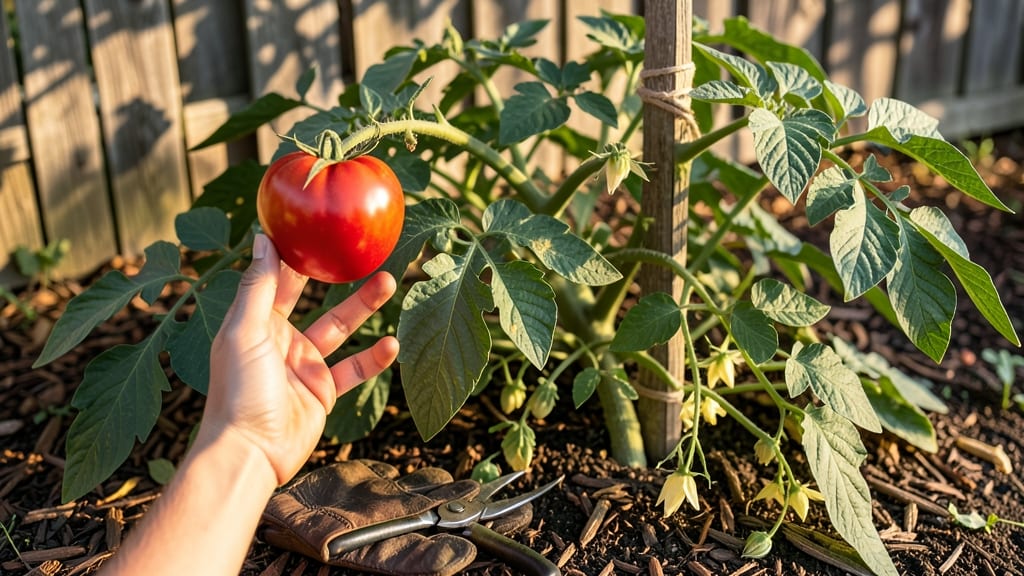
The taste of a beefsteak tomato is bold and multidimensional, blending intense sweetness with bright, citrusy acidity and a satisfyingly dense, juicy texture. Their rich flavor—often described as a mix of ripe pear, plum, and a hint of berry—makes them ideal for fresh slicing, sandwiches, or grilling.
The beefsteak tomato taste comes from their high sugar content (up to 6% by weight) paired with balanced acidity, creating a flavor that's both vibrant and sophisticated. 🌱 Unlike smaller varieties, beefsteaks develop deeper flavor as they ripen, with the flesh becoming almost meaty when fully mature.
Gardeners often note that heirloom beefsteaks—like 'Brandywine' or 'Cherokee Purple'—deliver the most complex profiles when grown in full sun with rich, organic soil.
What truly sets them apart is their lycopene content, an antioxidant that intensifies with ripening and gives them that signature deep red hue. This same compound contributes to their slightly tart edge, which enhances rather than overpowers the sweetness.
For the best flavor, let them ripen completely on the vine or at room temperature—their taste transforms dramatically from firm to fully developed.
💡 In This Article
- What Makes Beefsteak Tomato Flavor Unique?
- Best Beefsteak Tomato Varieties for Flavor and Use
What makes beefsteak tomato flavor unique?
The beefsteak tomato's signature taste stems from its exceptional balance of sugar and acidity, a ratio that most other varieties simply can't match.
These tomatoes typically contain 5-6% sugar by weight—nearly double that of cherry tomatoes—while maintaining a crisp, 0.3-0.5% acidity level that brightens the sweetness rather than overpowering it.
This chemical harmony creates their signature complex flavor, where you might detect notes of ripe pear, plum, and even a whisper of berry undertones. 🔥 The high sugar content isn't just about sweetness; it also contributes to their thick, almost meaty texture that resists becoming mushy when sliced.
What truly sets beefsteaks apart is their lycopene content, which can reach up to 100 mg per 100 grams in fully ripe specimens—far exceeding the lycopene levels in smaller varieties.
This antioxidant not only gives them their deep red color but also enhances their slightly tart edge, creating that perfect balance gardeners and chefs rave about.
The flesh density of beefsteaks, often 1.5-2 inches thick, means more surface area for flavor development during ripening, resulting in a taste that evolves from mild to intensely complex as they mature.
Growing conditions play a crucial role in developing this unique flavor profile. Beefsteaks thrive in full sun exposure (8+ hours daily) and well-draining soil rich in organic matter, which boosts their sugar production through photosynthesis.
The more sunlight they receive, the higher their lycopene levels climb, deepening both color and flavor. 🌱 What's fascinating is how temperature affects their taste—cooler nights (60-65°F) during ripening actually slow sugar conversion, preserving more complex flavor compounds that would otherwise break down in heat.
This is why late-summer harvests often yield the most flavorful beefsteaks.
Another key factor is their genetic makeup. Heirloom beefsteak varieties like 'Brandywine' or 'Cherokee Purple' develop more intricate flavor profiles than hybrid counterparts because they carry a wider range of flavor compounds.
These heirlooms often contain subtle earthy or even slightly smoky notes that hybrid varieties lack, thanks to their ancient genetic diversity. The trade-off? Heirlooms typically take 85-95 days to mature compared to 70-80 days for hybrids, but the flavor difference is night and day for serious tomato enthusiasts.
When you bite into a properly ripened beefsteak, you're experiencing a symphony of flavors that most tomatoes simply can't replicate. The initial sweetness gives way to a juicy burst, followed by that bright acidity that cleanses the palate—almost like a natural palate cleanser.
This multi-layered experience is why beefsteaks are often called the "steak" of the tomato world, with their substantial flesh and rich taste profile that stands up to bold seasonings while still shining on their own. 💫
For the home gardener, this means paying attention to ripening cues: the tomato should yield slightly to gentle pressure, develop a deep red (or purple) color, and have a sweet, floral scent at the stem.
Harvesting at this stage ensures you're getting the full flavor potential that makes beefsteaks so special in the culinary world.