Size
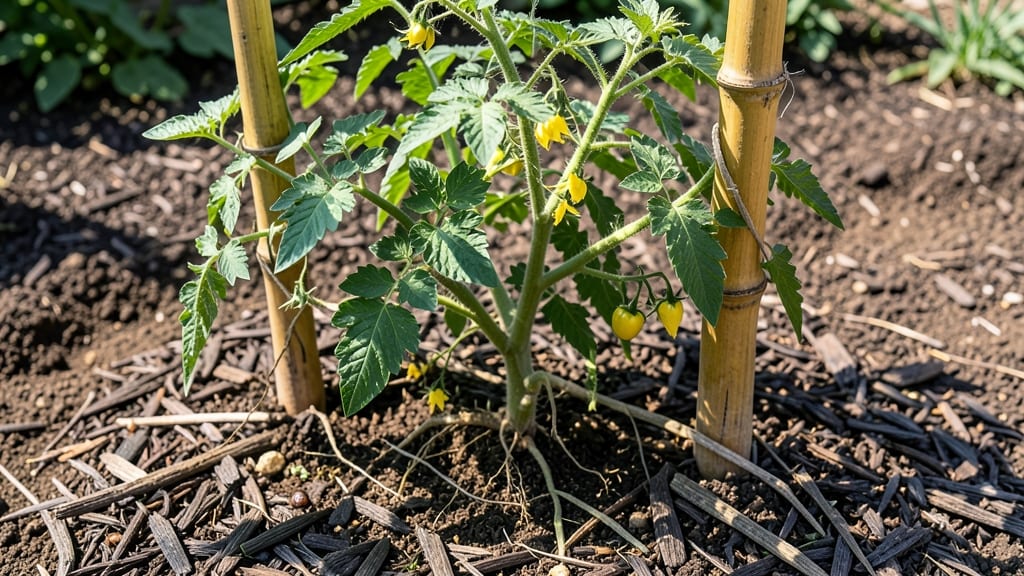
The best way to grow tomato plants starts with 90 days of sunlight, soil, and stubborn optimism—and ends with a vine heavy enough to need staking. 🌱 I’ve turned my share of sad, leggy seedlings into bursting, fruit-loaded plants by focusing on just three non-negotiables: heat-loving soil, a cage that won’t snap, and watering that mimics summer rain.
Tomatoes demand 6+ hours of sun daily and soil that drains like a sponge but holds moisture like a thirsty sponge. Too much water? Roots drown. Too little? They scream for help by wilting by noon.
The trick is deep watering twice a week—enough to soak the roots but not drown them—plus a mulch blanket to keep moisture in and weeds out. By day 60, you’ll be pruning suckers (those little shoots between stems) and tying vines to stakes as they climb.
The payoff? Ripe tomatoes in 70-80 days after transplanting, with flavors so intense they’ll make store-bought ones taste like cardboard. Even my black thumb can’t kill these if you follow the rules. Works for determinate (bush) or indeterminate (vining) types, containers or ground plots.
Here’s how to nail every step—no more sad, stunted plants staring up at you from the garden bed.
📚 In This Guide
- What you need
- Instructions
- Tips and common mistakes
- Wrapping up and next steps
What you need
- ● Tomato Seeds or Seedlings: Choose disease-resistant varieties like Cherry Tomatoes, Beefsteak, or Roma. Buy 5–10 seeds or 3–5 healthy seedlings per plant.
- ● Containers or Garden Beds: Containers: 5-gallon pots or fabric grow bags (1 per plant). Ensure they have drainage holes!
- ● Garden Beds: Well-draining soil in raised beds or in-ground plots (minimum 18" deep).
- ● High-Quality Potting Soil: 10–20 lbs of organic, well-draining soil mix (e.g., Miracle-Gro Potting Mix or FoxFarm Ocean Forest).
- ● Fertilizer: Balanced organic fertilizer (e.g., 10-10-10 or fish emulsion) or slow-release granules.
- ● Stakes or Cages: 6–8 ft tall tomato cages or sturdy bamboo stakes (1 per plant) to support growth.
- ● Watering Can or Hose with Nozzle: For gentle, deep watering (avoid overhead spraying to prevent disease).
- ● Pruning Shears: Sharp, clean shears to trim suckers and dead leaves.
- ● Mulch: Straw or shredded leaves (1–2 inches thick) to retain moisture and suppress weeds.
- ● Grow Lights: LED lights for seedlings if natural light is limited (12–16 hrs/day).
- ● Epsom Salt: 1 tbsp per plant every 2–3 weeks for magnesium boost.
- ● Compost: Homemade or store-bought to enrich soil (mix 1–2 cups per planting hole).
- ● Drip Irrigation System: For automated, consistent watering (great for large gardens!).
- ● Plant Tags: To label varieties and track progress.
- ● Neem Oil or Copper Fungicide: Organic pest/disease prevention (e.g., Bonide Copper Fungicide).
Step-by-step instructions for growing healthy tomato plants
Here's my foolproof method for growing vigorous tomato plants that produce fruit in just 90 days.
🌱 Step 1: Start Seeds Indoors at the Right Time
Plant seeds 6-8 weeks before your last frost date. I use biodegradable peat pots filled with sterile seed-starting mix—never garden soil. Press one seed ¼ inch deep per pot and keep the soil consistently moist at 70-80°F. A seedling heat mat speeds germination to 5-10 days.
Once sprouts appear, move pots to a sunny windowsill or under grow lights for 14-16 hours daily. You'll know they're getting enough light when seedlings stand straight and dark green, not stretching toward the window. Thin to one strong seedling per pot if you planted two.
☀️ Step 2: Harden Off and Transplant After Frost
Two weeks before transplanting, start hardening off seedlings by placing them outside in partial shade for 1-2 hours the first day. Gradually increase time to full sun exposure over 10-14 days. This toughens stems so they won't snap when planted outdoors.
Choose a warm, sunny spot with 6+ hours of direct sun and well-draining soil. Dig holes twice as wide as the root ball but only as deep as the plant's first leaves. Space determinate varieties 18-24 inches apart and indeterminate types 24-36 inches apart for proper airflow.
💧 Step 3: Water Deeply and Support Early Growth
Water deeply at the base every 2-3 days until the top 2 inches of soil feel dry. Avoid wetting leaves to prevent fungal diseases. Install cages or stakes at planting time—tomatoes hate being disturbed later. I use 5-foot bamboo stakes for indeterminate varieties.
When plants reach 12 inches tall, begin pruning suckers (the small shoots in leaf junctions). Remove these aggressively—they drain energy from fruit production. You'll see new leaves forming within a week of proper pruning, signaling healthy growth.
✂️ Step 4: Fertilize and Protect Through Fruiting
Feed plants with a balanced 10-10-10 fertilizer every 3-4 weeks once flowers appear. Switch to low-nitrogen, high-phosphorus (like 5-10-10) when fruit sets to boost production. Watch for yellowing leaves—this often means overwatering or nutrient deficiency.
Use mulch around the base to retain moisture and prevent soil-borne diseases. If pests appear, spray with neem oil in the evening when bees aren't active. You'll know your plants are thriving when they produce continuous blooms and fruit sets steadily every 2-3 weeks.
🍅 Step 5: Harvest at Peak Ripeness
Pick tomatoes when they're fully colored and slightly soft to the touch. Use pruning shears to avoid damaging vines. Determinate varieties produce all at once, while indeterminate types continue fruiting until frost. Store ripe tomatoes at room temperature—never refrigerate until fully ripe.
At season's end, cut plants down to 6 inches above ground and compost the debris. This prevents disease buildup in the soil for next year's crop. I always save seeds from my best tomatoes to plant again—just let them ripen fully on the vine first.
Tips & tricks for perfect tomato plant growth
Here's what nobody tells you about growing tomatoes that'll actually produce fruit in 90 days.
Timing is Everything: Those 6-8 weeks before your last frost date are non-negotiable for strong seedlings. I always check my local frost date online and mark my calendar—starting too early means leggy, weak plants. For faster germination, keep your soil at 70-80°F using a seedling heat mat. If your home stays cooler, place pots on top of the fridge or near a sunny window to maintain warmth.
Light Matters More Than You Think: The 14-16 hours of daily light in Step 1 is crucial—natural sunlight works best, but if you're using grow lights, position them 2-3 inches above seedlings and adjust height as they grow. Watch for "leggy" seedlings (tall, thin stems) which means they're stretching for light. Rotate pots daily so all sides get even exposure.
Harden Off Like a Pro: The gradual 10-14 day hardening process is where most beginners fail. Start with just 1-2 hours of shade the first day, then increase by 1 hour daily. Place seedlings in a sheltered spot like under a patio cover—direct wind can shock them. By day 7, they should handle 4-5 hours of morning sun without wilting.
Pruning Pays Off: When your plants hit 12 inches, those suckers (side shoots) look tempting to leave, but they're energy vampires. Pinch them off with your thumbnail—you'll see new leaves forming within 5-7 days as the plant redirects energy to fruit production. For indeterminate varieties, keep pruning aggressively to encourage upward growth and more tomatoes.
Pro Tips for Best Way To Grow Tomato Plants
- Here's what nobody tells you about growing tomatoes that'll actually produce fruit in 90 days.
- Timing is Everything: Those 6-8 weeks before your last frost date are non-negotiable for strong seedlings.
- Watch for "leggy" seedlings (tall, thin stems) which means they're stretching for light.
Frequently asked questions
Got questions about growing tomatoes like a pro?
Here are answers to the most common ones—from beginners to seasoned gardeners—to help you crush your harvest in just 90 days!
What’s the best time to plant tomatoes for a summer harvest?
Plant after the last frost when soil temps hit 55–65°F (13–18°C). For warm climates, start in late winter/early spring; cooler zones, wait until May–June. Use frost cloths if needed for early starts. Pro tip: Transplants thrive better than seeds, so buy sturdy seedlings from nurseries!
How often should I water tomato plants?
Water deeply 1–2 times per week (more in heatwaves) to encourage strong roots. Avoid wetting leaves to prevent disease—use drip irrigation or water at the base. Morning watering is best to reduce evaporation. Signs of overwatering: yellow leaves; underwatering: wilting even with damp soil.
Can I grow tomatoes in containers, and what size pot do I need?
Use pots at least 5 gallons per plant (bigger = better for heavy producers). Dwarf varieties (like ‘Tiny Tim’) work well in 1–3 gallon pots, while beefsteaks need 10+ gallons. Ensure pots have drainage holes and use lightweight potting mix to avoid tipping.
What should I do if my tomato plants get pests like aphids or hornworms?
Act fast! Handpick hornworms (they’re camouflaged—look for green poop!). For aphids, spray with soapy water (1 tsp mild soap per quart of water) or introduce ladybugs. Prevent pests by removing weeds, using row covers, and rotating crops yearly. Neem oil is a natural, effective deterrent too!
How long does it take for tomato plants to produce fruit after transplanting?
Most varieties take 60–90 days from transplanting to harvest, depending on the type. Determinate tomatoes (bush varieties) fruit all at once, while indeterminate types (vining) produce continuously until frost. Speed up fruiting by pinching suckers (side shoots) and ensuring full sun (6–8+ hours/day) + balanced fertilizer.
What’s the fastest way to revive a struggling tomato plant?
Check for root rot (mushy stems = overwatering—trim affected roots and repot). Yellow leaves? Could be nitrogen deficiency—feed with compost tea or a balanced fertilizer. Wilted but soil is moist? It might be blossom end rot (lack of calcium)—sprinkle crushed eggshells around the base and keep soil even moisture.
Wrapping up and next steps
Growing your own tomatoes is a rewarding journey that combines patience, care, and a little bit of sunshine! 🌱 By choosing the right variety, preparing nutrient-rich soil, and following proper watering and pruning techniques, you can enjoy a bountiful harvest in just 90 days.
Whether you're a beginner or a seasoned gardener, these steps will set you up for success—so grab your gloves, get your hands dirty, and watch your garden thrive!
Ready to take the next step? Start small—plant a few seeds or seedlings this weekend—and let your green thumb grow! 🌟 For even more tips, check out our garden care guide or share your progress with fellow gardeners online. Happy growing!