
Companion Plants
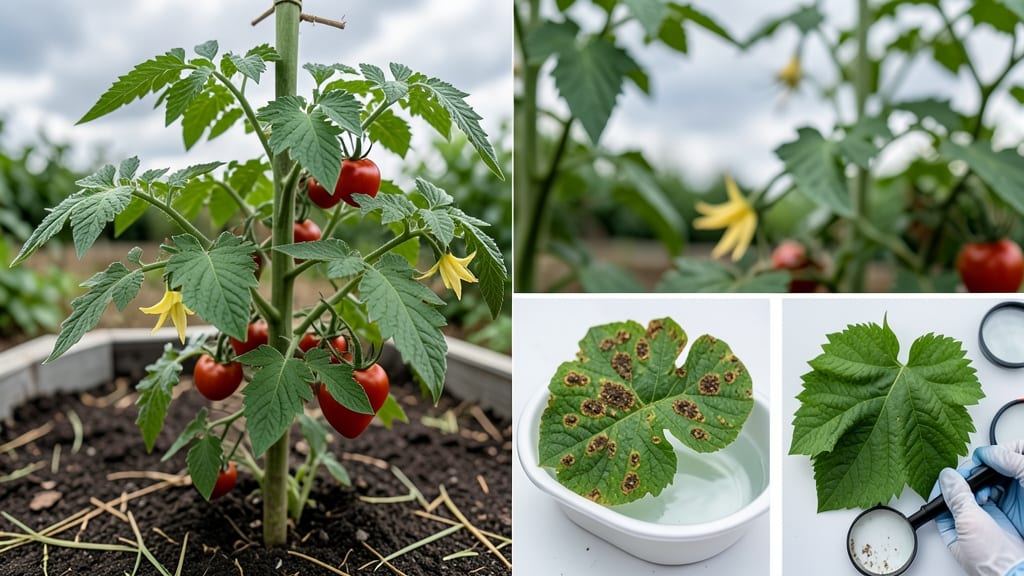
Those ugly brown spots on the tomato plant leaves? They’re stealing your harvest—and I’ve got the simple fix to stop them. 🌱 After my first blight disaster (where I lost half my plants), I learned the three-step routine that keeps my tomatoes thriving even in humid summers.
The key is acting fast before the spots spread like wildfire.
Most brown spots come from fungal diseases like early blight or bacterial spots, but poor airflow or wet leaves play a huge role too. I’ve seen gardeners blame everything from "bad soil" to "bad luck"—but the real culprits are usually overcrowded plants or watering at the wrong time.
Once you spot the first few spots, you’ve got about 7-10 days to turn things around.
Here’s the game-changer: copper fungicide for existing spots, pruning infected leaves, and watering at the base (never overhead). Within a week, new growth stays clean, and your plants bounce back—no more wilting or stunted fruit. The best part? This works for tomatoes, peppers, and even eggplants too.
Prevention is where it gets easy. Space your plants 18-24 inches apart, water in the morning, and add a mulch layer to keep soil dry.
I’ve used this same routine for five seasons now—no more blight, no more wasted tomatoes. Let’s get your plants back to their full, spot-free glory.
Hidden Causes Behind Leaf Spots
When you spot brown patches creeping across your tomato leaves, it’s rarely just a random coincidence—it’s a red flag from nature. Understanding the root causes helps you act fast and save your harvest.
Below, we break down the most common culprits, why they strike, and how they escalate if left unchecked.
Fungi thrive in warm, damp conditions, making tomato plants their perfect buffet. The most notorious offenders include:
- Early Blight (Alternaria solani)
- Why it happens: This fungus spreads via infected plant debris or contaminated soil. It targets older leaves first, creating concentric "target-like" brown spots with yellow halos. Spores splash onto leaves during watering or rain, germinating within 3–5 days if humidity stays above 70%.
- Actionable clue: Check the undersides of leaves—tiny black specks (fungal fruiting bodies) confirm the diagnosis.
- Late Blight (Phytophthora infestans)
- Why it happens: A more aggressive cousin of early blight, this fungus spreads rapidly in cool, wet weather (50–77°F). It causes greasy, brown spots that turn black and mushy, often with a white fungal growth on the undersides. Unlike early blight, it attacks all leaves, including new growth.
- Actionable clue: If spots appear within 24 hours of rain, late blight is likely. It can destroy a plant in 3–5 days if untreated.
- Septoria Leaf Spot (Septoria lycopersici)
- Why it happens: This fungus favors overhead watering, splashing spores from soil to leaves. It creates small, circular brown spots with dark centers, often surrounded by a grayish halo. It’s most active in warm, humid conditions (75–85°F).
- Actionable clue: Look for tiny black dots (pycnidia) in the center of spots—these are the fungus’s spore-producing factories.
💡 Pro Tip: Fungal spores can survive in soil for years. Rotate crops (avoid planting tomatoes in the same spot for 3 years) and sterilize tools between uses to break the cycle.
Not all brown spots are fungal—sometimes, your tomato plants are just overheating or drowning. Here’s how:
- Sunburn or Heat Stress
- Why it happens: Intense sunlight (especially after cool nights) can scorch leaves, causing crispy, brown patches along leaf edges or between veins. Young plants or those suddenly exposed to full sun are most vulnerable.
- Actionable clue: Affected areas feel dry and papery, unlike the soft, wet texture of fungal spots.
- Overwatering or Poor Drainage
- Why it happens: Soggy soil suffocates roots, leading to edema (waterlogged stress) or secondary fungal infections. Brown spots may appear on leaves with yellowing between veins—a classic sign of root distress.
- Actionable clue: Check the soil 1 inch below the surface. If it’s damp after 24 hours, you’re overwatering.
- Mineral Deficiencies or Toxicity
- Why it happens: Excessive fertilizer (especially nitrogen) or imbalanced soil pH can cause marginal leaf burn. Brown spots may appear along leaf edges, accompanied by stunted growth or purple stems.
- Actionable clue: Test your soil—if pH is <4.5 or >7.0, or if nitrogen levels spike, your plants are crying for help.
✨ Quick Fix: Move potted tomatoes to partial shade during heatwaves, and water at the base (never overhead) to prevent stress-related spots.
Sometimes, brown spots aren’t from disease at all—they’re a side effect of pests or mechanical harm.
- Spider Mites or Aphids
- Why it happens: These tiny pests suck plant sap, causing leaves to develop bronzed or stippled brown patches. Heavy infestations lead to webbing (spider mites) or sticky honeydew (aphids), which attracts sooty mold.
- Actionable clue: Hold a leaf up to light—mites look like tiny moving dots, while aphids cluster on the undersides.
- Hail or Wind Damage
- Why it happens: Physical trauma from storms creates irregular, ragged brown spots with torn edges. Unlike fungal spots, these areas won’t have halos or spores.
- Actionable clue: Check for fresh tears or bruising on leaves.
- Chemical Burn from Pesticides/Fertilizers
- Why it happens: Overzealous spraying or concentrated fertilizer droplets can bleach or crisp leaf tissue, leaving brown, dead patches. This often happens on the top of leaves where sprays land.
- Actionable clue: Look for uniform, dry patches with no fungal growth.
🔥 Hot Tip: If pests are the culprit, blast leaves with water (knocks off aphids) or use neem oil—it’s a natural repellent that won’t harm your plants.
Now that you know the real reasons behind those brown spots, you’re one step closer to diagnosing—and fixing—the problem. Next up: 3 simple steps to stop the spread before it ruins your harvest.
Quick Fixes for Leaf Spots
Brown spots on your tomato plant leaves don’t have to spell disaster—here’s how to diagnose and treat the most common causes with practical, garden-friendly solutions. Whether your plants are battling fungal infections, environmental stress, or pests, these fixes will help restore your tomatoes to their vibrant, productive best.
And don’t worry—prevention tips are included so you can keep your garden thriving long-term!
Fungal diseases like early blight, late blight, and septoria leaf spot are the #1 culprits behind brown spots. Act fast to prevent them from ruining your harvest!
🔥 Remove Infected Leaves & Debris
- 👨🍳 Step 1: Snip off any leaves with brown spots (especially near the bottom of the plant) using sterilized pruners (wipe with rubbing alcohol between cuts).
- 🗑️ Step 2: Do not compost infected plant material—toss it in the trash to prevent reinfection.
- 🌡️ Pro Tip: Work in the early morning when humidity is lower, and avoid wetting healthy leaves.
💡 Boost Airflow & Reduce Moisture
- ✨ Space plants 18–24 inches apart to improve airflow (fungi love damp, crowded conditions).
- 🌧️ Water at the base (not overhead) and early in the day so leaves dry quickly.
- 🌿 Add mulch (straw or grass clippings) to keep soil moist without splashing water onto foliage.
🍳 Copper Fungicide Spray (Natural Defense)
- 🔪 Mix: 1 tsp copper sulfate (or a store-bought copper fungicide) in 1 gallon of water + a drop of dish soap (as a surfactant).
- 🥘 Spray on both sides of leaves every 7–10 days until new growth appears.
- ⚠️ Warning: Avoid spraying in direct sunlight (can burn leaves) or when rain is forecasted.
🌱 Prevent Future Outbreaks
- 🎯 Rotate crops—don’t plant tomatoes in the same spot yearly (fungi linger in soil).
- 💪 Choose resistant varieties like ‘Mountain Merit’ or ‘Defiant PhR’ if fungal diseases are recurrent.
- 🌡️ Monitor humidity—use a fan in greenhouses or shade cloth in hot climates to keep conditions dry.
Too much sun, heat, or wind can cause dry, crispy brown spots (not fungal). Here’s how to protect your plants:
🌿 Provide Light Shade
- 🔥 Use shade cloth (30–50%) if temps exceed 90°F (32°C) or during peak afternoon sun.
- 🍳 Plant near taller crops (like corn or sunflowers) to create natural shade for younger plants.
💡 Mulch to Retain Moisture
- 🌡️ Apply 2–3 inches of mulch (straw, wood chips) to keep roots cool and soil moist.
- ✨ Avoid dark mulch in hot climates—it can increase soil temperature.
🌧️ Water Deeply & Frequently
- 🥘 Water early morning or late evening (1–1.5 inches per week, depending on climate).
- 💧 Use drip irrigation to deliver water directly to roots and avoid leaf wetting.
Sap-sucking pests like aphids, spider mites, and whiteflies can leave brown, stippled spots on leaves. Here’s how to evict them:
🔪 Blast Off Pests with Water
- 🍳 Spray leaves with a strong stream of water to knock off pests (do this daily for 3–5 days).
- 🌧️ Follow up with neem oil spray (1 tbsp neem oil + 1 tsp mild soap per gallon of water).
💡 Introduce Beneficial Insects
- 🎯 Ladybugs, lacewings, and predatory mites eat aphids and spider mites—buy them online or attract them with dill, fennel, or marigolds.
- 🌿 Plant basil or garlic nearby as a natural pest repellent.
🌱 Prevent Future Infestations
- ✨ Inspect new plants before bringing them home (quarantine for 2 weeks if possible).
- 💪 Remove yellowing leaves (pests love stressed plants).
- 🌡️ Avoid over-fertilizing with nitrogen—it encourages soft, pest-friendly growth.
Even after treating the issue, proactive care ensures your plants stay strong:
| Do This | Avoid This |
|---|---|
| Prune regularly (remove suckers) for airflow | Overcrowding plants |
| Fertilize with balanced NPK (10-10-10) | Using too much nitrogen (leads to weak stems) |
| Harvest ripe tomatoes promptly | Letting fruit rot on the vine |
| Rotate crops yearly | Planting tomatoes in the same spot |
💡 Final Pro Tip: If brown spots persist after 2 weeks, test your soil pH (ideal: 6.0–6.8). Too acidic or alkaline soil can weaken plants, making them susceptible to stress and disease.
With these fixes, your tomato plants should bounce back—ready for a bumper crop! 🍅🌱
Frequently asked questions
Why do brown spots appear on tomato leaves even when I water them regularly?
Brown spots from fungal diseases like early blight or septoria leaf spot often appear even with regular watering because they thrive in humid conditions. Overhead watering splashes spores onto leaves, while poor airflow from crowded plants creates the perfect breeding ground. Try watering at the base in the morning and spacing plants 18-24 inches apart to improve airflow.
Can I still eat tomatoes from plants with brown spots on the leaves?
Yes, you can still harvest and eat tomatoes from plants with brown spots—the fruit itself is rarely affected by leaf diseases like early blight or septoria. However, if you see spots on the fruit (especially late blight), remove those immediately. Always wash tomatoes thoroughly before eating, regardless of leaf conditions.
How do I tell if brown spots are from fungus or sunburn?
Fungal spots usually have yellow halos, dark centers, or white fungal growth on undersides, while sunburn creates dry, crispy patches along leaf edges. Check for these clues: fungal spots spread slowly with moisture, while sunburn appears suddenly on exposed leaves during heatwaves. Move potted plants to shade if sunburn is suspected.
Will homemade baking soda spray work for tomato leaf spots?
A baking soda spray (1 tsp baking soda + 1 tbsp oil + 1 tsp soap per gallon of water) can help prevent fungal spots but won't cure established infections. It works best as a preventative when sprayed every 7-10 days on dry leaves. For active infections, use copper fungicide instead—it's more effective against fungal spores.
How long does it take to see improvement after treating brown spots?
With proper treatment (removing infected leaves + copper fungicide + improved airflow), you should see new growth appearing within 7-10 days. Existing brown spots won't disappear, but the spread will stop. For severe cases like late blight, act within 3-5 days—delaying treatment can destroy plants faster than the disease progresses.