
Companion Plants
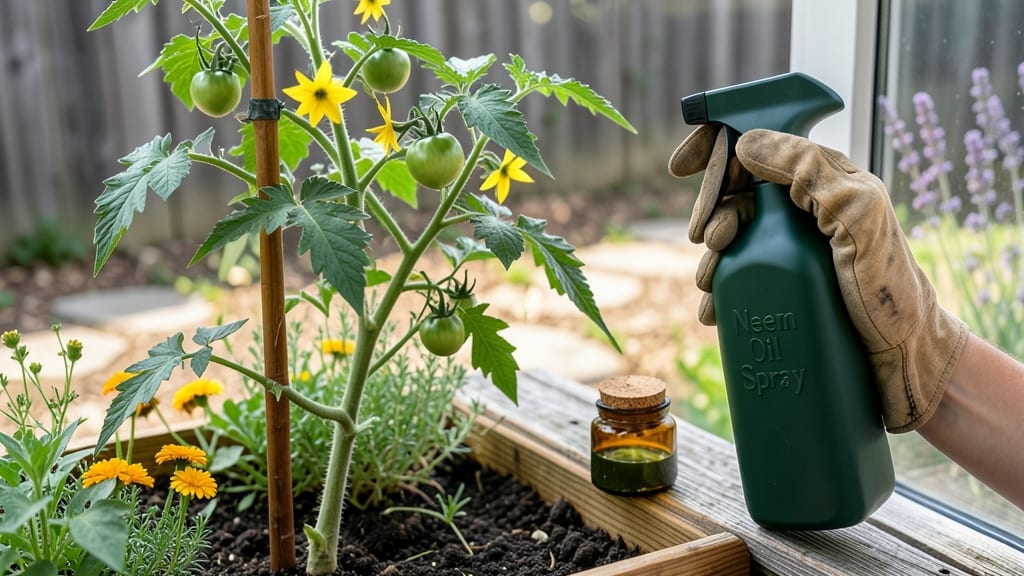
My organic tomato plant spray saved my garden from early blight last summer—just neem oil, water, and a few drops of dish soap mixed in a spray bottle. 🌱 What started as a few brown spots on leaves turned into a full-blown crisis until I discovered this simple blend that stops fungal spores in their tracks while keeping pests like aphids away.
The beauty of this spray lies in its three-part defense: neem oil disrupts insect life cycles, mild soap helps the mixture stick to leaves, and water delivers it evenly.
Most store-bought organic sprays cost $10-$15 per bottle—this recipe makes 8-10 sprays for under $3, and you control exactly what goes in it. I've used it on heirloom tomatoes, cherry varieties, and even pepper plants with the same success.
Within 48 hours of spraying, you'll notice fewer aphids and no new blight spots appearing. The plants stay vibrant green and keep producing fruit instead of fighting disease. Best of all, it's safe for bees when applied in the evening, so your garden's pollinators stay protected while your tomatoes thrive.
This recipe works equally well as a preventive measure before pests arrive or as a treatment when you first spot problems. For stubborn cases, I recommend spraying every 7-10 days until the issue clears—consistency is key. The first application might feel like overkill, but trust the process.
📚 In This Guide
- What you need
- Instructions
- Tips and common mistakes
- Wrapping up and next steps
What you need
- ● Neem oil (cold-pressed, organic): 1 tablespoon (15 mL) – A natural fungicide and insect repellent.
- ● Dish soap (unscented, biodegradable): ½ teaspoon (2.5 mL) – Acts as an emulsifier to help the spray stick.
- ● Water (distilled or dechlorinated): 1 quart (32 oz / ~1 liter) – Ensures purity and avoids harming plants.
- ○ Garlic or garlic powder (optional but recommended): 1 clove (minced) or ½ teaspoon – Boosts antifungal properties.
- ● Spray bottle (16–32 oz / 500–1000 mL): Choose a glass or BPA-free plastic bottle to avoid chemical leaching.
- ● Measuring spoons: For precise ingredient ratios.
- ● Strainer or cheesecloth: If using minced garlic, to filter out solids.
- ○ Gloves (optional): Protects hands from neem oil if sensitive.
- ● Healthy tomato plants (no severe wilting or disease signs before spraying).
- ● Overcast day or late afternoon application – Avoid spraying in direct sunlight to prevent leaf burn.
- ● Test spray on a small leaf first to check for sensitivity.
Step-by-step instructions for making an organic neem oil tomato spray
This simple blend stops blight and pests before they take hold—no harsh chemicals needed.
🌱 Step 1: Gather and Mix the Base Solution
Combine 1 tablespoon neem oil with 1 teaspoon mild liquid soap in a 1-quart spray bottle. The soap acts as an emulsifier, helping the oil disperse evenly in water. Shake vigorously for 30 seconds until the mixture looks cloudy but fully blended. I always use a glass or plastic spray bottle—metal can react with the oil over time.
Add 1 quart of warm water (around 70°F) to the bottle. Warm water helps the solution penetrate plant foliage better. Give it another 30-second shake to ensure everything is well incorporated. This is your base spray—store it in a cool, dark place for up to 2 weeks, but I recommend using it fresh for maximum effectiveness.
🌿 Step 2: Add Optional Boosters for Extra Protection
For fungal diseases like early blight, stir in 1 tablespoon baking soda. This creates a slightly alkaline solution that prevents spores from germinating. For pests like aphids or whiteflies, add 1 teaspoon garlic oil—it repels insects while being harmless to beneficial predators. Shake again until fully combined.
If your tomatoes show signs of powdery mildew, replace the baking soda with 1 tablespoon potassium bicarbonate. This is especially useful in humid climates where fungal spores thrive. Always shake before each use, as these additives can settle. I like to test a small leaf first to ensure the plant tolerates the mix well.
💧 Step 3: Apply Spray Correctly for Best Results
Spray the undersides of leaves first—this is where pests hide and fungal spores often settle. Apply until the foliage is glistening but not dripping. Avoid spraying in direct sunlight, as the oil can cause leaf burn. Early morning or late afternoon is ideal. I aim for every 7-10 days as a preventative measure, or immediately if I spot signs of disease or pests.
For severe infestations, repeat the application every 3-4 days until the problem clears. Always spray in calm weather to prevent the solution from evaporating too quickly. If rain is forecast within 24 hours, wait to apply the spray—water will wash it off before it can work.
✂️ Step 4: Maintain Plant Health After Spraying
After spraying, prune any diseased leaves immediately to prevent spread. Remove them completely from the garden—don’t compost them. Healthy airflow is key, so space plants 18-24 inches apart and stake them properly to avoid overcrowding. I also rotate my spraying schedule between neem oil and a garlic-chili spray to prevent pests from building resistance.
Monitor your plants daily for 3 days post-spray for any adverse reactions like yellowing leaves or wilting. If you notice these signs, rinse the plants with plain water and reduce future applications. This spray is gentle but potent—used correctly, it keeps tomatoes thriving without synthetic chemicals.
Tips & tricks for perfect organic tomato plant spray
Here's what nobody tells you about getting the most from your homemade plant protection blend.
Emulsifier Selection: Not all liquid soaps work equally well—the soap must be mild and plant-safe. Castile soap is my go-to because it's gentle yet effective. Avoid dish soaps with strong fragrances or detergents, as they can harm plant tissues. The 30-second shake after adding water is crucial; I use a timer on my phone to ensure consistency every time. This step prevents the neem oil from separating and losing effectiveness.
Water Temperature Matters: The 70°F warm water recommendation isn't arbitrary—it's the sweet spot for activating the neem oil's active compounds. Too cold and the solution won't penetrate leaves properly; too hot and you risk burning tender foliage. I always use a kitchen thermometer to verify temperature, especially when mixing large batches. For extra protection, I let the water sit in a sunny windowsill for 10 minutes before adding other ingredients.
Additive Layering Strategy: When combining boosters like baking soda or garlic oil, add them to the neem oil-soap mixture first before adding water. This creates a more stable emulsion that won't separate. For severe fungal issues, I make two separate batches: one with baking soda and one with potassium bicarbonate, then alternate their use. This rotation prevents fungal resistance from developing. Always shake vigorously after adding any boosters—settling happens fast!
Pro Tips for Organic Spray For Tomato Plants
- Here's what nobody tells you about getting the most from your homemade plant protection blend.
- Emulsifier Selection: Not all liquid soaps work equally well—the soap must be mild and plant-safe.
- Water Temperature Matters: The 70°F warm water recommendation isn't arbitrary—it's the sweet spot for activating the neem oil's active compounds.
Frequently asked questions
Can I use this spray on other vegetables besides tomatoes?
Yes! This neem oil blend is safe for most garden veggies like peppers, eggplants, and leafy greens. Just avoid spraying flowers (like basil or marigolds) if bees are active—neem can be toxic to them. Always spot-test on a small area first!
How often should I spray my tomato plants?
Apply every 7–10 days as a preventative measure, or immediately if you spot early signs of blight (yellow leaves, brown spots) or pests (aphids, whiteflies). For severe infestations, spray twice a week until the problem clears. Consistency is key!
Do I need to dilute the spray further if it’s humid or rainy?
Humidity or light rain won’t ruin the spray, but avoid applying within 24 hours of rain—it’ll wash off before sticking. If your area gets frequent downpours, consider adding 1 tsp of castile soap per gallon to help the mixture adhere better.
What if my tomatoes still get blight after spraying?
Blight can be stubborn! First, remove and destroy infected leaves/fruit (don’t compost them). Then, boost defenses by:
- Improving airflow with pruning.
- Watering at the base (not overhead).
- Adding copper fungicide (organic option) to your spray.
Are there non-neem organic alternatives for tomato sprays?
Try these DIY swaps:
Baking Soda Spray
1 tbsp baking soda + 1 quart water + few drops of soap. Fights fungal diseases like early blight.
Garlic Chili Spray
Blend 2 garlic cloves + 1 chili pepper + 1 quart water. Strain and add soap. Repels pests like aphids.
Milk Spray
1 part milk to 9 parts water. Spray on leaves to prevent powdery mildew (works best in cool weather).
Wrapping up and next steps
Transforming your tomato garden into a thriving, pest-free paradise is totally within reach—thanks to this simple, organic neem oil spray! 🌱 By harnessing the power of nature, you’re not only protecting your plants but also fostering a healthier ecosystem.
Whether you’re a seasoned gardener or just starting out, this recipe is your go-to for chemical-free, effective care.
Ready to see your tomatoes flourish? Grab your spray bottle and get mixing! Start with a small batch to test the solution, then scale up as needed. Happy gardening—your future salads (and bragging rights) will thank you! 🍅✨