
Plants
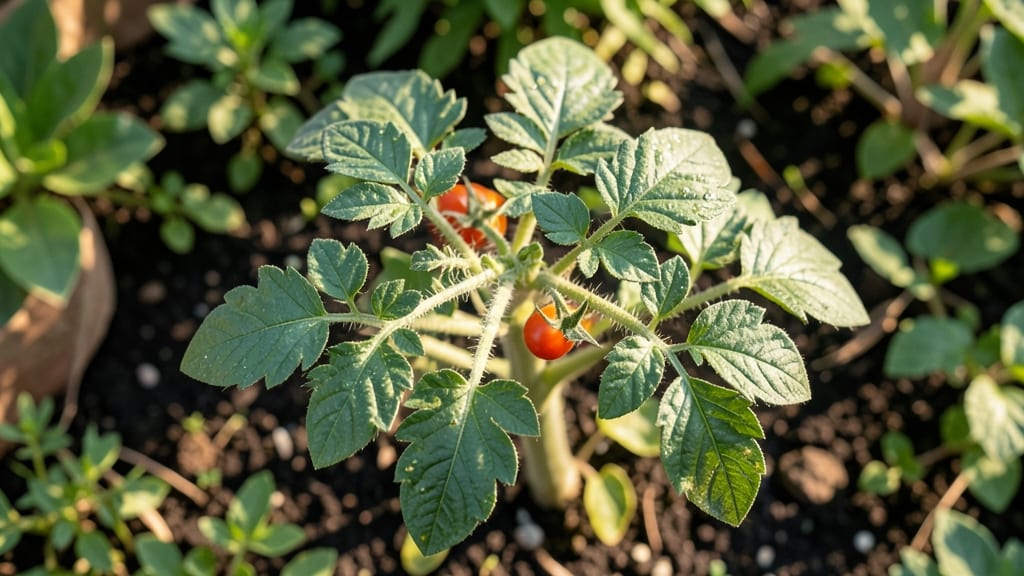
Healthy tomato plants start with proper leaf identification. These 10 distinct tomato leaf types help gardeners diagnose issues, optimize growth, and choose the right varieties for their climate—whether you're a beginner or seasoned grower.
Standard Green Smooth Tomato Leaves
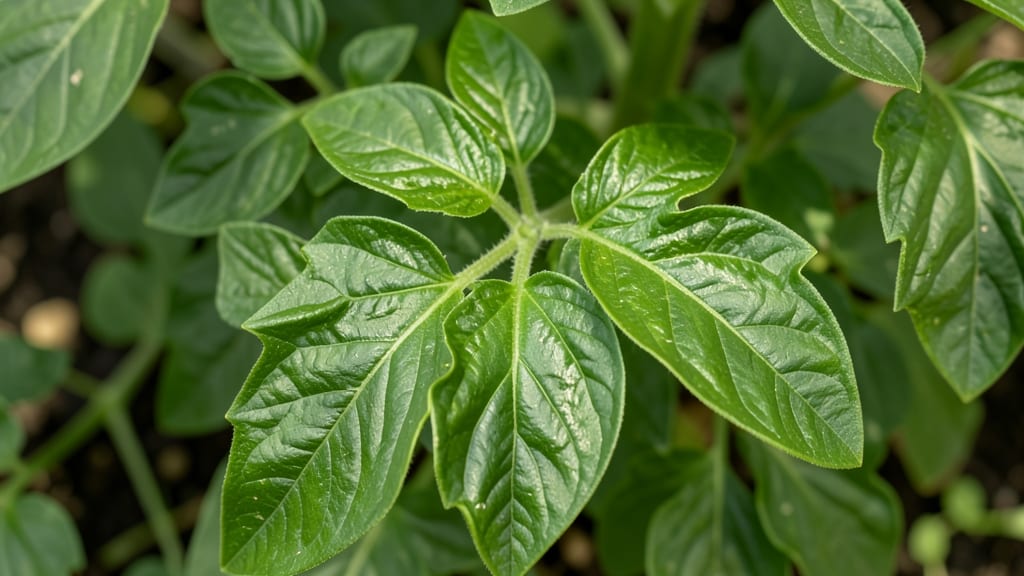
When you spot deep green, smooth-edged tomato leaves with a subtle waxy sheen, congratulations—you’ve found the gold standard of healthy tomato foliage. These leaves are nature’s way of telling you your plant is thriving, with optimal photosynthesis and balanced nutrients, making them the perfect benchmark for beginners.
The slightly serrated edges and glossy surface aren’t just for show—they help repel water and pests while maximizing sunlight absorption. For best results, ensure your plants get 6-8 hours of sun daily and water at the base to avoid fungal issues. This leaf type is most common in heirloom and hybrid varieties, like 'Celebrity' or 'Roma,' and signals a plant ready to produce high-quality fruit.
If your tomatoes boast this classic look, you’re on the right track for a bountiful harvest. Beginners especially benefit from recognizing this baseline, as it sets the stage for spotting early signs of trouble in other leaf types. 🌱
Purple-Stemmed Tomato Leaves
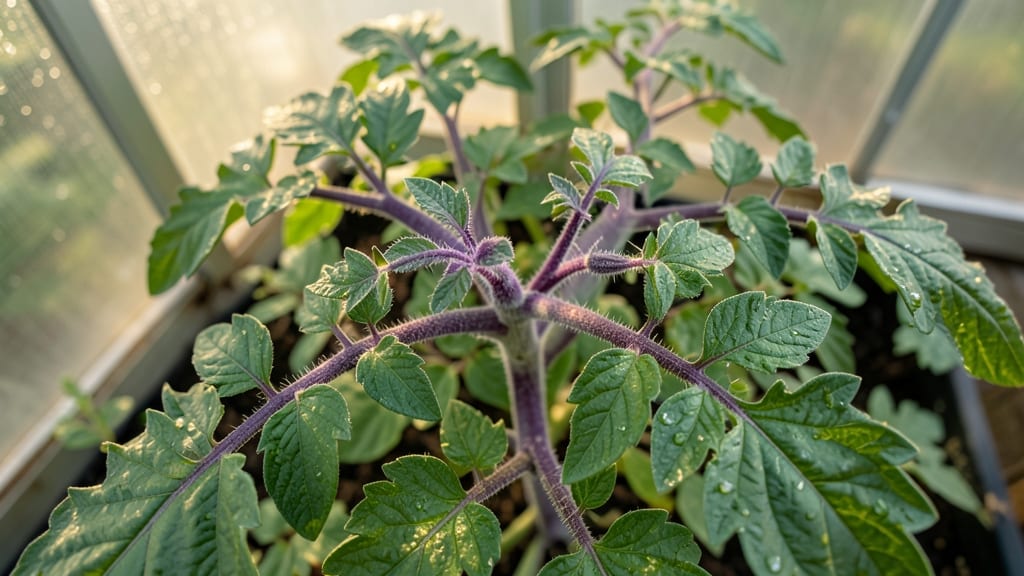
If you're growing heirloom tomatoes, you might spot purple-stemmed leaves on varieties like 'Purple Calabash'—a stunning trait that's more than just eye-catching. These deep purple stems and vibrant green leaves contain high levels of anthocyanins, powerful antioxidants that also help the plant resist cold and some pests.
The rich purple pigment acts like natural sunscreen, protecting leaves from UV damage while thriving in cooler climates where many tomatoes struggle. These varieties often produce unique purple-fleshed fruits, but the leaves' color is a clear sign of robust health and adaptability. Plant them in well-draining soil with morning sun and afternoon shade for best results.
Perfect for gardeners in Zone 5 or below, purple-stemmed tomatoes add drama to your garden while offering built-in resilience. Their striking appearance also makes them a favorite for heirloom collectors and ornamental plantings. 🌟
Curly or Fern-Like Tomato Leaves
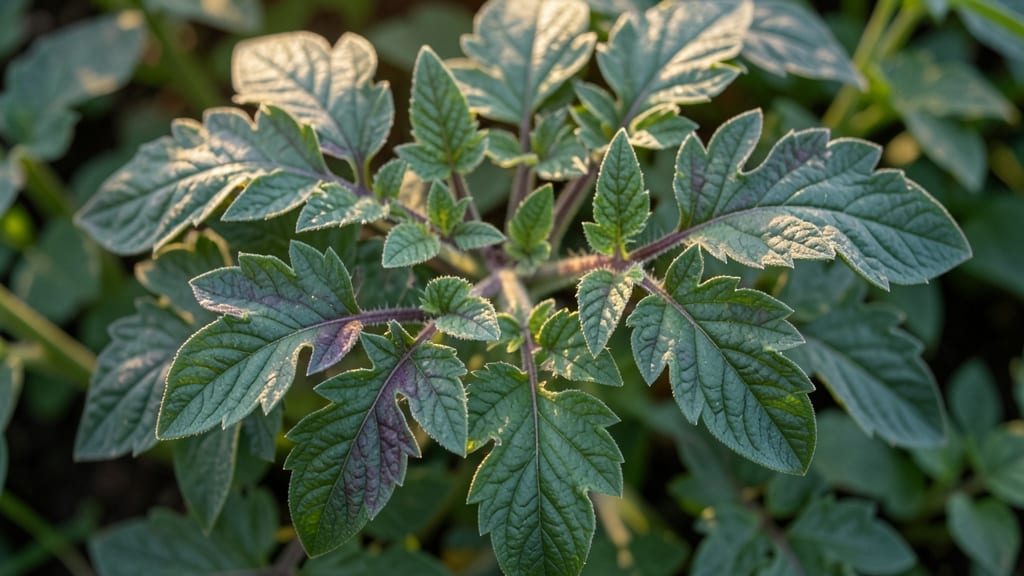
If your tomato plants look like they’ve been gently curled by a whimsical garden fairy, you’re likely growing a Cherokee Purple or similar heirloom variety. This fern-like leaf structure isn’t just for show—it’s a genetic adaptation that increases surface area, helping the plant absorb more humidity and thrive in damp climates.
The downside? Those intricate curls create tight spaces where moisture lingers, making these plants more prone to fungal diseases like blight. To keep your curly-leafed tomatoes healthy, prioritize pruning lower leaves to improve airflow and avoid overhead watering. This trait also makes them a favorite among gardeners in humid regions like the Southeast U.S.
For those who love heirloom varieties and don’t mind extra maintenance, these plants reward you with stunning deep purple fruits and unique foliage that stands out in any garden. Just be prepared to stay vigilant with pruning! 🌿
Yellowing or Chlorotic Tomato Leaves
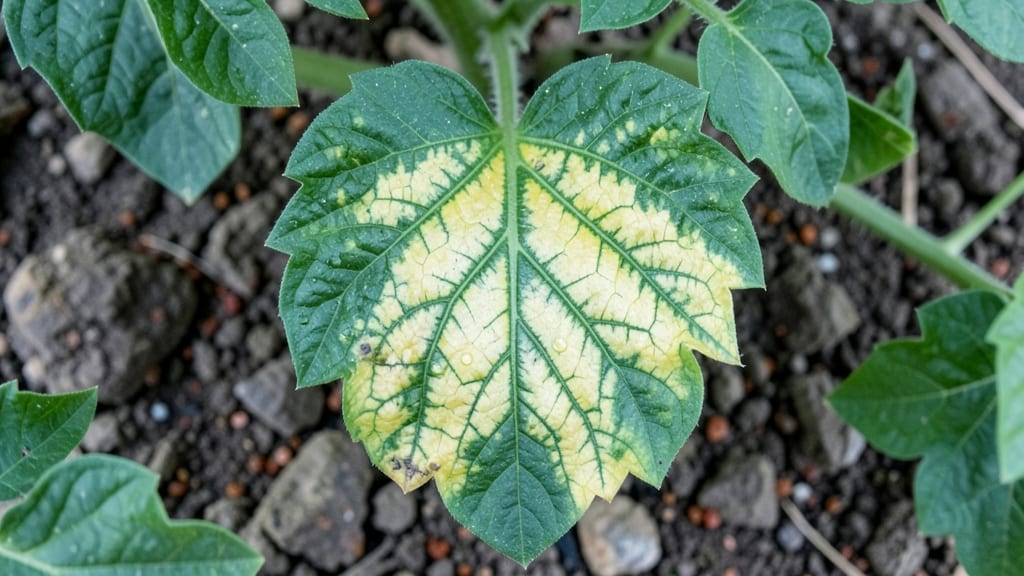
When your tomato leaves turn yellow between the veins—especially while keeping green veins—this is your plant’s SOS signal. Chlorosis (yellowing) often means your soil is missing critical nutrients like iron or magnesium, or worse, a viral infection could be spreading. Unlike general leaf yellowing from overwatering, this pattern points directly to root-zone issues.
First, check your soil’s pH level—tomatoes prefer 6.0–6.8. If it’s too alkaline, iron becomes unavailable. Amend with chelated iron or composted manure, and water deeply to help roots absorb nutrients. For viral infections (like tomato mosaic virus), remove affected plants immediately to stop the spread. Soil testing is your best first step—many garden centers offer affordable kits.
This is especially critical for organic gardeners or those using raised beds, where nutrient depletion happens faster. Addressing chlorosis early can save your entire harvest—don’t ignore those warning signs! 🌱
Hairy or Pubescent Tomato Leaves
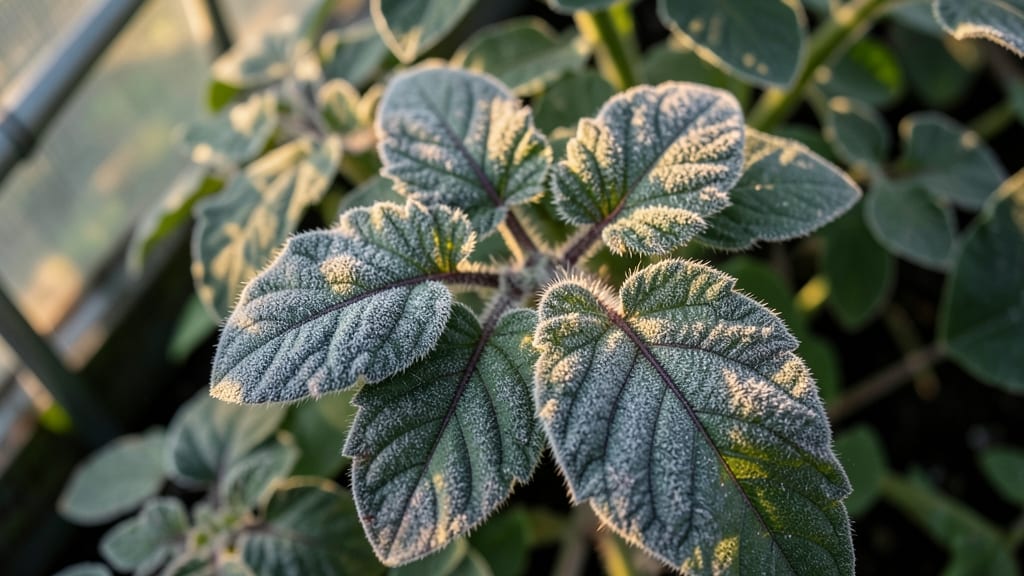
If you’ve ever wondered why some tomato leaves feel like velvet while others are smooth, you’re looking at pubescent leaves—a natural pest-deterrent found in varieties like Black Krim and Cherokee Purple. These fuzzy leaves aren’t just a quirky trait; they’re a gardener’s secret weapon against aphids and spider mites.
The fine hairs disrupt pests’ movement and feeding, making them a favorite among organic growers. However, the trade-off is moisture retention: in humid climates, trapped water can create the perfect conditions for fungal diseases like early blight. To mitigate this, space plants for airflow and avoid overhead watering.
Perfect for those who prioritize pest resistance over perfect foliage, these varieties thrive with minimal chemical intervention—just watch for fungal signs in damp weather. 🌱
Variegated Tomato Leaves with White Edges
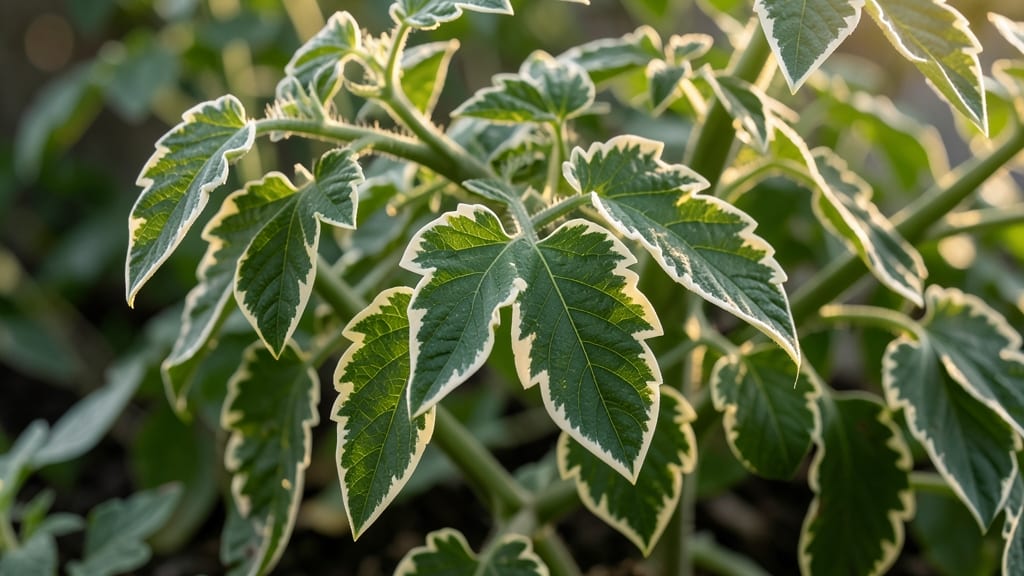
If you're growing tomatoes for their stunning foliage as much as their fruit, variegated leaves with white or cream edges might be your dream variety—but they come with a twist. These leaves, found in varieties like 'Variegated Indeterminate', are the result of a genetic mutation that creates striking patterns, but also reduces chlorophyll production.
To keep these plants thriving, give them full sun exposure (at least 8 hours daily) and supplement with a balanced fertilizer every 2-3 weeks. The white edges mean less photosynthesis, so they rely on you to provide extra nutrients. Prune aggressively to improve airflow and prevent fungal issues, which can be more common in these varieties due to their unique leaf structure.
Perfect for gardeners who love visual drama, these tomatoes are ideal for containers or trellises where their unusual foliage can be showcased. Just be prepared for slightly lower yields compared to fully green-leaved varieties. 🌟
Spotted or Mottled Tomato Leaves
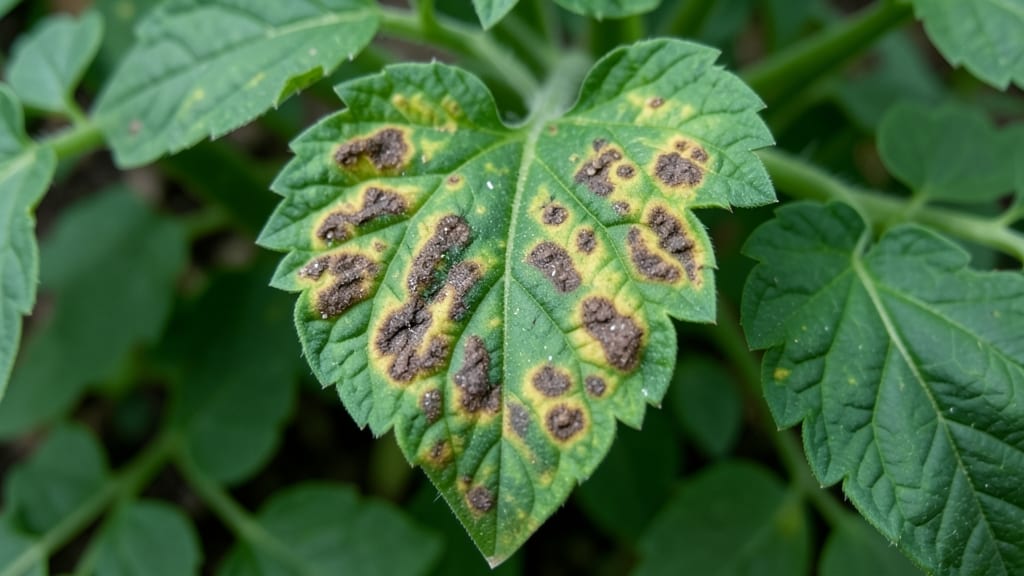
When your tomato leaves develop irregular brown spots or mottled rings, it’s not just cosmetic—this is your plant’s distress signal. Unlike nutrient deficiencies or pests, these patterns often point to viral infections like tomato mosaic virus, which can devastate your entire crop if left unchecked.
Act fast by removing infected leaves immediately (wear gloves!) and disinfecting pruners with rubbing alcohol. Since viruses spread through sap, avoid composting affected foliage. For prevention, rotate crops yearly and control aphids—tiny insects that transmit these viruses. If the entire plant shows severe symptoms, consider replacing it to protect nearby plants.
This issue hits hardest for organic growers or those in humid climates, where viral spread accelerates. 💡
Large Lobed or Potato-Leaf Tomato Leaves
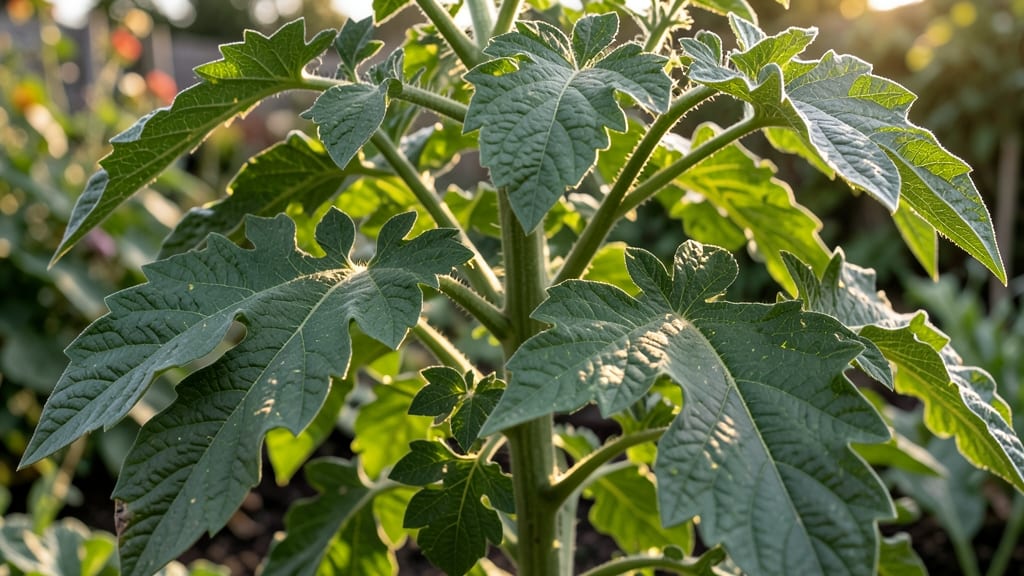
If you're aiming for a high-yield tomato harvest, look no further than varieties with large lobed or potato-leaf foliage. These dramatic, broad leaves—resembling potato plant leaves—are a signature trait of heirloom varieties like 'Brandywine' or 'Cherokee Purple', and they're not just for show.
The extra leaf surface area captures more sunlight, translating to bigger fruit production and thicker stems that support heavier clusters. However, that heavy foliage demands strong support—opt for 6-foot tomato cages or wooden stakes to prevent flopping, especially in windy conditions. Prune lower leaves to improve airflow and reduce disease risk.
This leaf type is a game-changer for serious gardeners who prioritize yield over compact growth. Just be prepared for the extra maintenance—your plants will reward you with bucketloads of tomatoes by season's end. 🌟
Red or Bronze-Colored Tomato Leaves
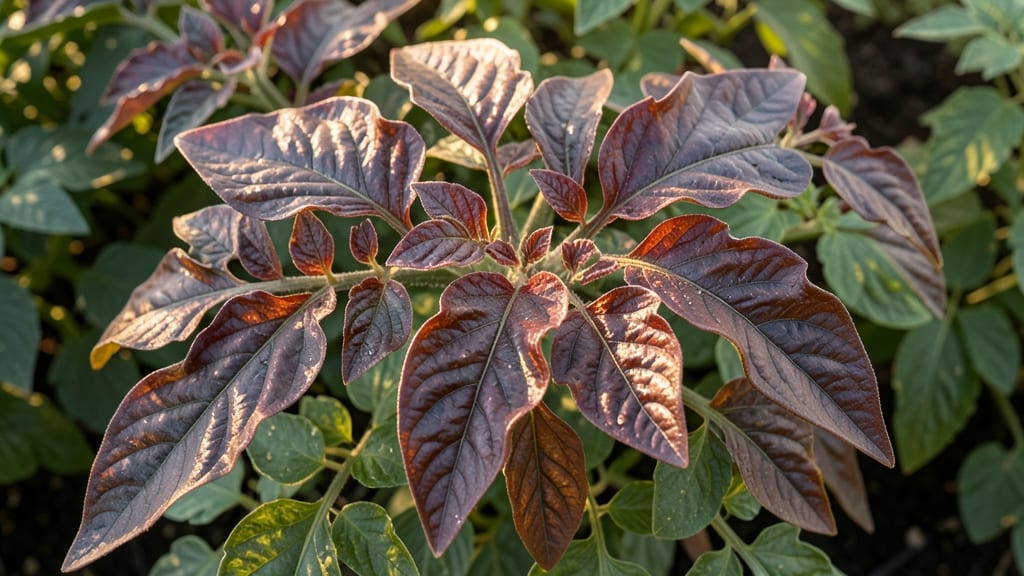
If your tomato plants sport deep red or bronze leaves instead of the usual green, you’re growing a rare variety like 'Red Leaf'—a visual stunner with serious benefits. These vibrant hues aren’t just for show; they’re packed with anthocyanins, powerful antioxidants that protect leaves from UV damage and help plants tolerate cooler temperatures better than standard tomatoes.
However, the trade-off is that these plants may wilt faster in intense heat (above 90°F), so they thrive best in spring or fall gardens or cooler climates. To keep them happy, provide afternoon shade during heatwaves and ensure consistent moisture—their striking foliage will reward you with equally beautiful fruits, often with a deeper flavor profile. Perfect for gardeners who love heirlooms and unique aesthetics! 🌻
Small or Dwarf Tomato Leaves

If you're dreaming of a tomato harvest but lack space or face water shortages, dwarf varieties like 'Tiny Tim' or 'Patio Princess' are your secret weapon. Their miniature leaves—often just 2-3 inches wide—grow densely, reducing water loss while packing flavor into pint-sized fruit.
These compact plants thrive in 5-gallon containers or small raised beds, making them perfect for balconies, patios, or drought-prone regions. Their smaller leaves also mean less surface area for pests, and the plants mature faster (often in 60-70 days), giving you an early harvest. Just ensure they get full sun (6+ hours daily) and well-draining soil to prevent root stress.
Urban gardeners and beginners will love how these low-maintenance varieties turn tiny spaces into productive tomato patches. With the right care, you'll enjoy sweet, abundant fruit without the fuss of sprawling vines. 🌱