
Companion Plants
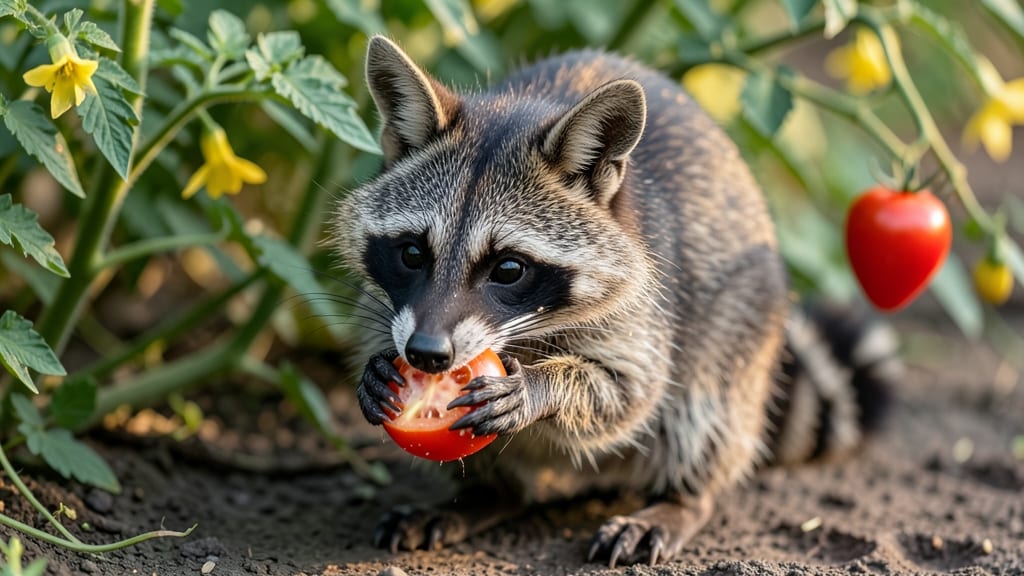
Raccoons do eat tomato plants, targeting ripe fruit, leaves, and stems for their sweetness and moisture. They dig up roots and tear foliage, often leaving behind scattered debris and chewed plants in gardens overnight.
Raccoons are opportunistic foragers, and tomato plants offer a triple threat: sweet fruit, tender leaves, and juicy stems. 🌱 Their sharp claws make short work of vines and stems, while their keen sense of smell helps them locate even hidden plants.
Unlike deer or rabbits, raccoons are most active at night, so you might not notice the damage until morning when you spot scattered debris or half-eaten tomatoes. I’ve seen them completely strip a plant in one night, leaving only the stem behind.
What makes this especially frustrating is how quickly they adapt to garden defenses. If you’ve ever tried fencing or repellents, you know they can climb, dig under barriers, or even learn to avoid certain scents over time.
The key is combining multiple strategies—like using physical barriers with strong-smelling deterrents—to stay one step ahead.
💡 In This Article
- Why Raccoons Target Tomato Plants in Gardens
- Effective Raccoon-Proofing Strategies for Tomato Gardens
Why raccoons target tomato plants in gardens
Raccoons are drawn to tomato plants primarily because they offer a concentrated source of both carbohydrates and moisture. 🌿 The ripe fruit contains natural sugars (around 3-5% in most varieties) that provide quick energy, while the leaves and stems hold high water content—up to 90% in some cases.
This combination makes tomatoes an ideal snack for raccoons, especially during dry seasons when natural water sources may be scarce. Their sharp sense of smell (capable of detecting odors from 20 feet away) helps them locate plants even when hidden among other foliage.
The nocturnal nature of raccoons plays a critical role in their garden raids.
These animals are crepuscular, meaning they're most active during twilight hours and throughout the night when gardeners aren't present. 🌙 Their dexterous front paws allow them to manipulate objects with remarkable precision—almost like human hands—making it easy to pluck ripe tomatoes or strip leaves from vines.
Studies show raccoons can remember food sources and will return night after night if they find a reliable supply, which explains why some gardeners experience repeated damage.
What makes tomato plants particularly vulnerable is their growth pattern. Vines spread horizontally, creating easy access points for raccoons to reach multiple plants from a single entry point. 🍅 The stems are relatively soft compared to other garden crops, allowing raccoons to tear through them with minimal effort.
Their foraging behavior often involves digging around the base of plants to access roots, which provides additional nutrients and disrupts the plant's stability. This dual approach—eating above and below ground—makes tomatoes one of their favorite garden targets.
Interestingly, raccoons also exhibit what scientists call "food caching" behavior. They'll often carry off multiple tomatoes at once to store in hidden locations, returning later to finish what they couldn't eat immediately. 🦝 This explains why you might find scattered fruit and debris in multiple locations around your garden.
The sweet aroma of ripe tomatoes acts as a powerful attractant, similar to how bears are drawn to berries in the wild. Understanding this behavior helps explain why traditional deterrents like motion-activated lights (which work well for deer) may be less effective against raccoons.
Another factor is the plant's chemical composition.
Tomatoes contain compounds like solanine (in green parts) and lycopene (in ripe fruit) that, while not toxic to raccoons, may actually enhance their appeal. 🌱 These compounds can make the plant more palatable or easier to digest, contributing to their status as a preferred food source.
The contrast between the plant's chemical profile and the raccoon's digestive system creates a perfect storm of attraction and accessibility in garden settings.
Consider this comparison: A raccoon's diet in the wild consists of about 40% plant material, with fruits being a significant portion.
In urban and suburban gardens, tomatoes become an artificial but highly concentrated food source that meets all their nutritional needs in one location. 🍅 This explains why they'll often ignore other available plants in favor of tomatoes when given the choice.
The combination of sweetness, moisture, and easy accessibility makes tomato plants an irresistible target for these intelligent foragers.