
Plants
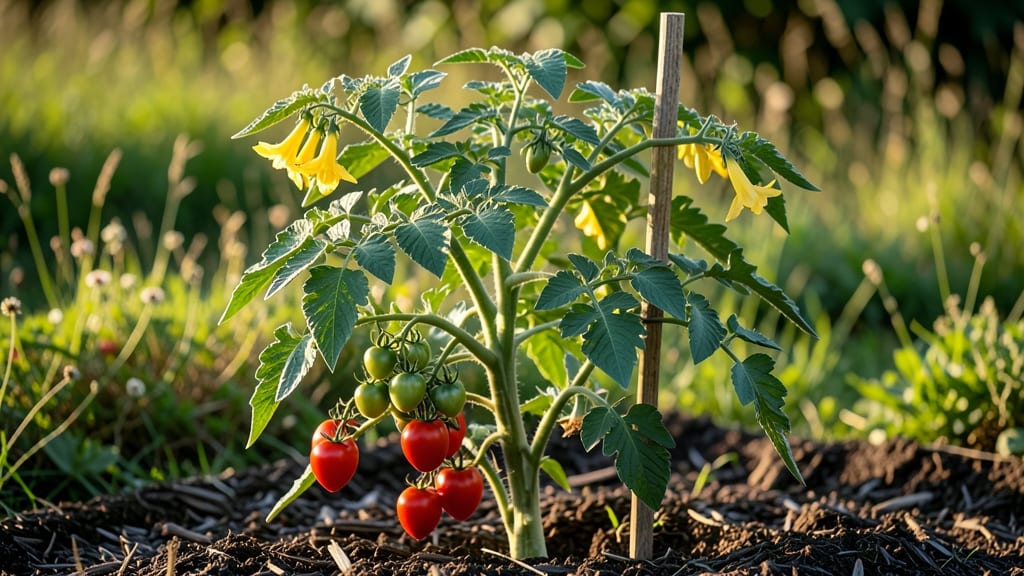
A fully grown tomato plant 🍅 thrives when you know exactly how to prune, feed, and protect it—because what looks like a sturdy vine can quickly turn into a sad, fruitless shadow if you miss the key steps.
Picture this: your 6-foot plant is loaded with blossoms, but the tomatoes stay tiny and green. Or worse, the leaves yellow overnight, and you’re left scratching your head. The truth? Most gardeners overlook the seasonal shifts that make or break a tomato’s productivity.
In this guide, I’ll walk you through the pruning techniques that double your harvest, the seasonal care adjustments that keep your plant strong, and the common mistakes that silently drain its energy.
By the end, you’ll have a fully grown tomato plant that doesn’t just survive the season—it dominates it, from first fruit to final frost.

How to prune a fully grown tomato plant for maximum yield
Pruning your fully grown tomato plant isn't just about shaping—it's a game-changer for fruit production and plant health. When done right, strategic pruning can boost yields by 30-50% by improving airflow and directing energy to fruit development. But here's the catch: determinate and indeterminate varieties need completely different approaches.
Indeterminate tomatoes (like 'Sungold' or 'Beefsteak') grow continuously, producing fruit all season long, while determinate varieties (like 'Roma' or 'Celebrity') set fruit on a single stem and stop growing. Knowing which type you have determines when and how you prune. Let's dive into the step-by-step process to maximize your harvest.
Step-by-Step Pruning Guide
- 1 Identify your tomato type: Check if your plant is indeterminate (keeps growing) or determinate (bushy, stops growing). Indeterminate varieties need heavy pruning; determinate varieties rarely need pruning.
- 2 Wait until plants are established: Prune only after your tomatoes have 5-6 true leaves and are at least 12 inches tall. Early pruning stresses young plants.
- 3 Remove suckers: These are shoots growing in the joint between the main stem and a branch. For indeterminate varieties, pinch off suckers up to 12 inches tall to encourage upward growth and fruit production.
- 4 Prune lower leaves: Trim leaves touching the soil to prevent disease and improve airflow. Remove leaves within 6 inches of the ground regularly.
- 5 Limit main stem growth: For indeterminate varieties, leave 1-2 main stems and prune side branches to focus energy on fruit production. Avoid over-pruning, which reduces yield.
- 6 Use clean tools: Always sterilize pruners with rubbing alcohol between cuts to prevent bacterial spread. Sharp, clean cuts heal faster and reduce infection risk.
- 7 Time your pruning: Prune on dry, sunny mornings to allow cuts to dry quickly. Avoid pruning during hot afternoons or rainy days, which increases disease risk.
For indeterminate varieties, continue pruning throughout the growing season, focusing on removing suckers and yellowing leaves. These plants can grow 6-10 feet tall, so use cages or stakes to support their weight. Meanwhile, determinate varieties rarely need pruning—just remove diseased or damaged leaves to keep airflow optimal.
One common mistake is over-pruning, which removes too many leaves and reduces the plant's ability to photosynthesize. Aim to leave half the foliage intact to maintain energy production.
If you notice yellowing leaves after pruning, it might be a sign of nutrient deficiency—feed your plant with a balanced fertilizer (like 10-10-10) to recover.
Pruning also helps prevent common tomato diseases like early blight and septoria leaf spot. By removing crowded foliage and improving air circulation, you create an environment where fungal spores struggle to thrive. Always remove pruned material from the garden to avoid rein
Seasonal care guide: keeping your mature tomato plant productive year-round
Your fully grown tomato plant thrives with year-round attention, but seasonal shifts can disrupt its productivity. From winter dormancy to fall harvest extension, each phase requires tailored care to maintain health and yield.
I’ve learned that skipping seasonal adjustments often leads to stunted growth or disease—don’t let that happen to your hard-earned plants!
Start with winter protection to shield roots from freezing temperatures. In colder climates, mulch heavily with straw or leaves and consider wrapping the base with burlap. For container-grown tomatoes, move pots to a sheltered location or insulate with bubble wrap.
This simple step prevents root damage and sets the stage for a vigorous spring revival.
| Season | Key Tasks | Signs of Stress | Solution |
|---|---|---|---|
| Winter | Mulch base, prune dead growth, reduce watering | Yellowing leaves, stunted growth | Apply 2-3 inches of mulch |
| Spring | Fertilize, prune suckers, stake plants | Slow new growth, pale leaves | Add balanced fertilizer (10-10-10) |
| Summer | Water deeply, prune regularly, monitor pests | Wilting, spotted leaves, fruit drop | Check for aphids, increase watering |
| Fall | Harvest late tomatoes, reduce water, prune for next year | Overripe fruit, leaf yellowing | Harvest all ripe tomatoes, mulch for winter |
As spring arrives, focus on reviving your tomato plant with fresh energy. Begin by removing any dead or diseased foliage and applying a balanced fertilizer (10-10-10) to replenish nutrients. Prune suckers—those small shoots growing between the main stem and branches—regularly to redirect energy toward fruit production.
I’ve found that indeterminate varieties benefit most from this pruning, as they continue growing throughout the season.
During summer’s peak heat, your tomato plant demands consistent care. Water deeply in the morning to prevent fungal diseases like blight, and mulch to retain moisture. Watch for common pests like aphids or hornworms, which can devastate a plant overnight.
I’ve had success using neem oil or introducing ladybugs to control infestations naturally. Also, prune aggressively to improve airflow and reduce humidity around the plant.
Fall is your chance to extend the harvest season and prepare for next year. If frost threatens, cover plants with frost cloth or move containers indoors temporarily. Harvest all ripe tomatoes, even if they’re not perfect—every tomato counts!
Reduce watering gradually to harden off the plant, and prune back any remaining growth. This prepares your tomato plant for winter dormancy while preserving its strength for another productive season.
Pay attention to subtle signs of stress like yellowing leaves, stunted growth, or fruit drop. These often signal underlying issues like nutrient deficiency, overwatering, or pest damage. For example, yellow lower leaves usually mean nitrogen deficiency, while crispy leaf edges indicate underwatering. Addressing these early keeps your plant thriving year-round.