
Companion Plants
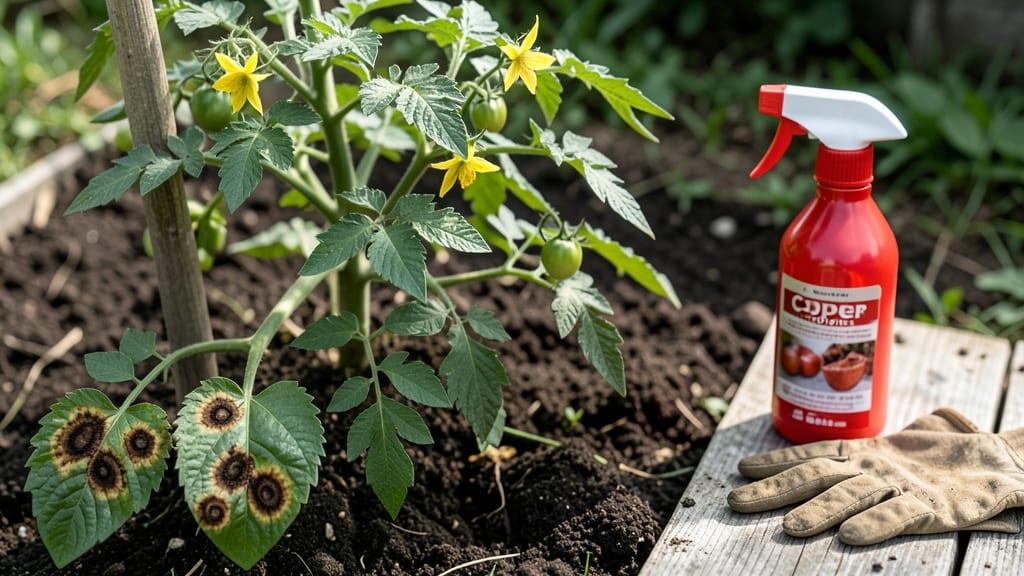
Fungus on tomato leaves can turn your harvest into a sad, spotted mess—unless you act fast. 🌱 I’ve lost entire plants to blight, but now I know the early signs (brown spots with yellow rings, anyone?) and how to stop it before the fruit suffers.
The key is catching it early and using organic fixes that actually work.
Most fungal issues start with moisture—too much water on leaves or poor airflow. Overhead watering, crowded plants, and wet foliage at night create the perfect breeding ground. My tomatoes now thrive with spaced rows, morning watering, and pruned branches to let air circulate.
A simple copper fungicide spray (or homemade baking soda mix) can save your plants if you catch it early.
With the right approach, you’ll protect your plants AND your harvest. I’ve gone from 50% blight loss to zero in just two seasons. The secret? Prevention first—clean tools, mulch to reduce soil splash, and resistant varieties like ‘Mountain Merit’ or ‘Defiant PhR.’
Even if you’re already seeing spots, don’t panic. A mix of neem oil, garlic spray, and proper spacing can turn things around. The goal is to keep your tomatoes lush, productive, and—most importantly—blight-free all season long.
Root Causes Of Leaf Fungus
Fungal infections on tomato leaves aren’t random—they’re often the result of environmental stress, poor growing conditions, or even tiny mistakes gardeners make. Understanding the why behind these outbreaks is the first step to stopping them before they ruin your harvest.
Below, we break down the most common triggers and the science behind them.
Fungi thrive in damp, stagnant air—think of them as the sneaky squatters of your garden. When tomato plants grow too closely together or are crowded under dense foliage, relative humidity spikes and airflow grinds to a halt. Here’s why this matters:
- Fungal spores love moisture: Many tomato pathogens (like Alternaria or Septoria) need free water on leaf surfaces to germinate. Poor airflow means leaves stay wet longer after rain or watering. - Heat buildup: Dense plantings trap heat, creating a microclimate that accelerates fungal growth.
Some fungi (e.g., Fusarium) even produce toxins that weaken plants further in these conditions. - Stunted transpiration: Without airflow, leaves can’t dry efficiently, making them prime real estate for spores.
Actionable fix: Space plants 18–24 inches apart and prune lower leaves to improve airflow. Use fan circulation in greenhouses or row covers to keep humidity in check.
Water is essential, but too much of a good thing turns your garden into a fungal buffet. Overwatering doesn’t just drown roots—it creates the perfect breeding ground for pathogens. Here’s how:
- Soggy soil = fungal feast: Waterlogged soil lacks oxygen, stressing roots and making plants more susceptible to infections like Phytophthora (a water mold). - Leaf wetness duration: Watering from above (especially late in the day) leaves droplets on leaves for hours—ideal for spores to latch on.
Even 3–6 hours of leaf wetness can trigger infections like early blight. - Fungal hitchhikers: Splashing water from soil to leaves spreads spores from infected debris (like fallen leaves) onto healthy foliage.
Actionable fix:
- Water deeply but infrequently (1–1.5 inches per week).
- Use drip irrigation or soaker hoses to avoid wetting leaves.
- Water early in the day so leaves dry by evening.
A healthy tomato plant is like a fortress—strong cell walls, rapid healing, and natural antifungal compounds keep invaders at bay. But when plants are stressed, their defenses crumble. Common culprits:
- Nutrient deficiencies: Lack of potassium (K) or calcium (Ca) weakens cell walls, making them easier for fungi to penetrate. Early blight often strikes when plants are potassium-deficient. - Physical damage: Bug bites (e.g., from aphids or spider mites), hail, or rough handling create entry points for fungi like Botrytis (gray mold). - Over-fertilization with nitrogen: Too much N (nitrogen) promotes lush, soft growth but reduces disease resistance.
Fungi like Fusarium exploit this by targeting tender new shoots. - Transplant shock: Moving plants without hardening them off first stresses roots, leaving them vulnerable to soil-borne fungi.
Actionable fix:
- Side-dress with compost (rich in K and Ca) mid-season.
- Rotate crops to avoid exhausting soil nutrients.
- Inspect plants weekly for pests or damage and treat promptly.
Fungal spores are persistent—they can lurk in soil for years or hitch a ride on your pruners. Here’s how contamination spreads:
- Old garden beds: Soil-borne fungi like Verticillium or Fusarium can survive for decades in infected plant debris.
Rotating crops isn’t enough if the pathogen is still present. - Reused tools: Pruners, stakes, or even gloves can transfer spores from infected to healthy plants. Phytophthora spreads easily this way. - Compost mistakes: Improperly heated compost (below 140°F) won’t kill fungal spores, turning your "organic fertilizer" into a pathogen reservoir.
Actionable fix:
- Sterilize tools with 70% rubbing alcohol or a 10% bleach solution between uses.
- Test soil for fungal pathogens before planting (many extension services offer cheap tests).
- Solarize soil in late summer (cover with clear plastic for 4–6 weeks to kill pathogens).
Mother Nature plays a big role in fungal outbreaks. Tomatoes are especially vulnerable during transitional seasons when conditions swing wildly:
- Cool, wet springs: Fungi like early blight thrive in 60–80°F temperatures with high humidity—common in spring planting zones.
- Late-summer storms: Heavy rain followed by warm nights creates the perfect storm for late blight (Phytophthora infestans), which can destroy plants in days.
- Drought stress: While too much water helps fungi, sudden drought weakens plants, making them easier targets for infections like powdery mildew.
Actionable fix:
- Choose disease-resistant varieties (e.g., ‘Mountain Merit’ for blight resistance).
- Mulch heavily to stabilize soil moisture and temperature.
- Monitor weather forecasts and cover plants with row fabric during rain if blight is a risk in your area.
Quick Fixes for Fungus on Tomato Leaves
Fungus on your tomato plant leaves can feel like a nightmare, but don’t panic—there are effective, organic solutions to save your plants and prevent future outbreaks.
Below, we’ve mapped out practical fixes based on the most common causes, from overwatering to poor airflow, along with prevention tips to keep your tomatoes thriving.
If your leaves are yellowing, wilting, or covered in mold, overwatering is likely the culprit. Fungi love damp conditions, so adjusting your watering habits is key.
🔥 Step-by-Step Fix:
- 💦 Adjust Watering Schedule
- Water deeply but infrequently—aim for 1–1.5 inches per week (including rain).
- Water early in the morning so leaves dry quickly.
- Avoid wetting foliage—water at the base of the plant.
- 🌡️ Improve Soil Drainage
- Mix in compost or perlite to loosen heavy soil.
- If pots are involved, ensure they have drainage holes.
- 🍄 Remove Affected Leaves
- Snip off yellow or spotted leaves with clean scissors.
- Dispose of them in the trash (not compost) to prevent spread.
💡 Prevention Tips:
✔ Use a moisture meter to check soil dampness before watering. ✔ Mulch around plants (with straw or grass clippings) to reduce evaporation and soil splash. ✔ Space plants properly (18–24 inches apart) for better airflow.
If your tomatoes are crowded or shaded, humidity builds up, creating the perfect breeding ground for fungi like early blight or late blight.
🍳 Step-by-Step Fix:
- 🌿 Prune for Better Airflow
- Remove suckers (side shoots) and lower leaves to improve circulation.
- Thin out overgrown foliage blocking sunlight.
- 🏡 Relocate or Space Plants
- If growing in containers, move them apart (at least 18 inches).
- In gardens, stake or cage plants to keep them upright and open.
- 🌞 Increase Sunlight Exposure
- Place pots in sunnier spots (tomatoes need 6–8 hours of sun daily).
- Avoid planting under dense shade trees.
💡 Prevention Tips:
✔ Train vines upward with trellises or cages to prevent leaf drag. ✔ Rotate crops yearly to avoid soil-borne fungus buildup. ✔ Use a fan (on low) near plants to reduce humidity in greenhouses.
If fungi keep returning, old spores in tools or soil may be the problem.
⏰ Step-by-Step Fix:
- 🧼 Sterilize Gardening Tools
- Soak pruners, trowels, and stakes in a 1:10 bleach-water mix for 10 minutes.
- Rinse and dry before use.
- 🌱 Refresh Soil or Use Containers
- If soil is heavily infected, replace the top 6 inches with fresh, sterile potting mix.
- For severe cases, switch to containers with new soil.
- 🔄 Rotate Plant Locations
- Avoid planting tomatoes in the same spot for 3–4 years to break fungus cycles.
💡 Prevention Tips:
✔ Solarize soil (cover with clear plastic for 4–6 weeks in summer) to kill pathogens. ✔ Test soil pH—aim for 6.0–6.8; fungi thrive in acidic soil (below 5.5). ✔ Use beneficial microbes like mycorrhizal fungi to outcompete harmful strains.
Once you’ve adjusted growing conditions, boost defenses with natural sprays.
👨🍳 Step-by-Step Fix:
- 🍋 Baking Soda Spray (Early Blight Prevention)
- Mix 1 tsp baking soda + 1 quart water + 1 tsp horticultural oil or dish soap.
- Spray every 7–10 days on dry leaves (avoid fruit).
- 🌿 Neem Oil (Fungicide & Pest Control)
- Combine 1 tbsp neem oil + 1 tsp mild soap + 1 quart water.
- Spray at dusk (avoids burning leaves) every 2 weeks.
- 🍄 Copper Fungicide (Severe Cases)
- Use organic copper sprays (like Copper Soap) as a last resort.
- Follow label instructions—reapply after rain.
💡 Prevention Tips:
✔ Apply preventative sprays at planting and every 2 weeks during wet seasons. ✔ Rotate treatments to avoid resistance (e.g., alternate baking soda and neem oil). ✔ Strengthen plants with compost tea or fish emulsion for natural immunity.
Fungal spores spread quickly, so catch problems early. Check leaves weekly, especially after rain, and remove infected parts immediately. With these fixes, your tomato plants will bounce back—and you’ll enjoy blight-free, juicy harvests all season! 🍅✨
Frequently asked questions
What do the different types of leaf spots mean?
Brown spots with yellow rings usually indicate early blight, while dark, greasy-looking patches suggest late blight. White powdery coatings mean powdery mildew, and concentric rings often signal alternaria leaf spot. Always check the undersides of leaves—many fungi start there.
Can I still eat tomatoes from a plant with fungus?
Yes, but only if the fungus is limited to leaves and hasn't reached the fruit. Remove all infected leaves immediately, and harvest tomatoes as soon as they ripen. Never eat tomatoes with visible spots or mold—these can harbor harmful spores.
How often should I spray preventative fungicides?
For organic sprays like neem oil or baking soda, apply every 7–14 days during wet seasons or when you see early signs. Chemical fungicides should follow label instructions, but typically require 10–14 day intervals. Always spray in the early morning or evening to avoid leaf burn.
Will companion plants help prevent fungus?
<Planting basil, marigolds, or garlic nearby improves airflow and deters pests that spread fungal spores. Herbs like oregano and thyme also have natural antifungal properties. Just keep them 12–18 inches away from tomatoes to avoid competition.
What's the fastest way to save a severely infected plant?
Prune all infected leaves immediately, then apply a copper fungicide or neem oil spray. Move the plant to a dry, sunny spot with improved airflow, and water only at the base. For containers, consider repotting in fresh, sterile soil. Act within 48 hours for best results.