
Pests and Diseases
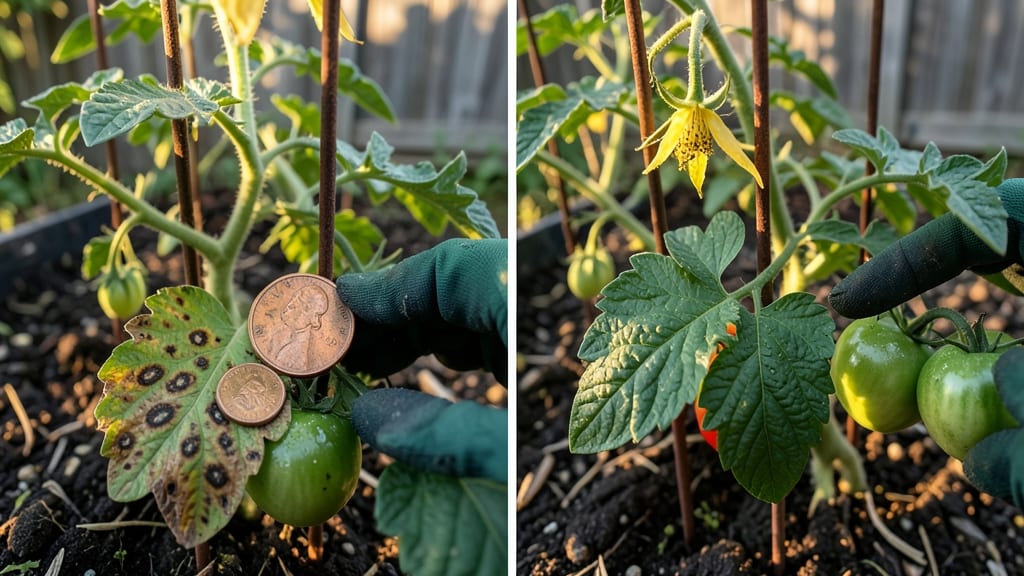
Seeing pictures of brown spots on tomato leaves is like getting a bad diagnosis—you need to know exactly what you're dealing with before you treat it. 🌱 The first step is telling whether it's early blight (the most common), late blight (the most destructive), or something less serious like sunburn or nutrient issues.
I've spent years diagnosing these spots, and the differences matter—early blight spreads slowly, while late blight can wipe out your plants in days.
Most brown spots start with tiny dark specks on the underside of leaves, often with concentric rings. Early blight usually appears on lower leaves first, while late blight shows up as greasy-looking brown patches that spread quickly in wet weather.
Sunburn looks crispy and dry, and nutrient deficiencies create yellowing between veins before the brown appears. Grab a magnifying glass if you can—sometimes the texture tells the story.
Once you know what you're fighting, the cure changes completely. Early blight needs copper fungicide and better airflow, while late blight demands immediate removal of infected plants and a 7-day baking soda spray (1 tbsp per gallon of water).
For sunburn, it's as simple as providing afternoon shade, and nutrient issues fix with a balanced fertilizer. The key is acting fast—once the spots spread, you're playing catch-up.
If you're still unsure, compare your leaves to pictures of tomato leaf diseases online—seeing the patterns side by side makes the difference clear. Prevention is your best weapon: rotate crops, space plants properly, and water at the base to keep leaves dry.
Trust me, a little detective work now saves your entire harvest later.
Root Causes of Leaf Spotting
Brown spots on tomato leaves aren’t just an eyesore—they’re a warning sign that your plants are under attack. Understanding the why behind these blemishes is the first step to saving your harvest. Below, we break down the most common culprits, their science-backed triggers, and how they disrupt your tomato’s health.
Fungi are the #1 cause of brown spots on tomato leaves, thriving in warm, humid conditions. These microscopic organisms release spores that latch onto leaf surfaces, piercing plant cells to feed on nutrients. The result? Unsightly lesions that expand over time, clogging stomata (pores) and blocking photosynthesis.
Early Blight (Alternaria solani)
- How it spreads: Spores hitchhike on wind, water, or contaminated tools, landing on lower leaves first.
- Science behind the damage: The fungus secretes cell wall-degrading enzymes (like pectolytic enzymes) that break down tomato tissue, creating concentric ring spots with tan centers and dark borders.
- Red flags: Spots start small (1/8" wide) but grow to 1/2" with a "bullseye" pattern.
Leaves yellow and drop prematurely.
Late Blight (Phytophthora infestans)
How it spreads: A water-mold fungus that thrives in damp conditions (humidity >75% or prolonged leaf wetness).
It can spread rapidly—up to 1 mile per day in ideal weather. - Science behind the damage: This pathogen infects both leaves and fruit, causing greasy, dark brown spots that spread faster than early blight.
It clogs vascular tissue, starving the plant. - Red flags: Spots appear on upper leaves first (unlike early blight) and often have a white, fuzzy mold on undersides in humid conditions.
Septoria Leaf Spot (Septoria lycopersici)
- How it spreads: Favors cool, wet springs (50–75°F) and survives in plant debris or infected seeds.
- Science behind the damage: The fungus produces pycnidia (tiny black fruiting bodies) in spots, which release spores to reinfect.
Spots start small, grayish, and water-soaked before turning brown with black speckles. - Red flags: Spots are irregularly shaped and often appear on older leaves first.
Not all brown spots are fungal. Harsh growing conditions can weaken tomato leaves, making them susceptible to physiological disorders—non-infectious but just as damaging.
Sunscald (Heat Stress)
- Trigger: Intense sunlight + high temperatures (>90°F) + low humidity cause leaf cells to overheat.
- Science behind the damage: Excess UV radiation denatures proteins in leaf cells, leading to oxidative stress.
Affected areas turn white or brown, crispy to the touch, and may drop off. - Red flags: Spots appear on exposed leaves (especially those near the ground in staked plants) and worsen midday.
Water Stress (Over/Under-Watering)
- Under-watering:
- Science behind the damage: Cells plasmolyze (shrink from the cell wall), causing necrotic (dead) patches that turn brown and papery.
- Red flags: Spots are crispy and scattered, often on leaf edges.
Chemical Burn (Fertilizer or Herbicide Damage)
- Trigger: Overapplication of salt-based fertilizers (e.g., too much nitrogen) or drift from herbicides (like glyphosate).
- Science behind the damage:
- Herbicides like 2,4-D mimic plant hormones, leading to uncontrolled growth and necrosis.
While pests rarely cause brown spots directly, their feeding weakens leaves, making them prime targets for fungal infections.
Spider Mites
- How they damage: These tiny arachnids (not insects!) pierce cells with their stylets to suck out sap, leaving stippled, bronze-brown spots.
- Science behind the damage: Their saliva contains toxins that trigger plant defenses, leading to oxidative burst (cell suicide).
Heavy infestations cause leaves to yellow and drop. - Red flags: Look for fine webbing on undersides and speckled, dusty leaves.
Aphids
- How they damage: Clusters of aphids inject saliva while feeding, causing yellowing and brown necrotic patches.
- Science behind the damage: Their excreted honeydew fosters sooty mold (a black fungus), which blocks sunlight and clogs stomata.
- Red flags: Sticky residue on leaves + curled, distorted growth.
Brown spots can mimic nutrient deficiencies or bacterial diseases, leading to wasted time and money. Here’s how to tell them apart:
| Symptom | Fungal Disease | Bacterial Disease | Nutrient Deficiency |
|---|---|---|---|
| Spot Shape | Circular/irregular with rings | Water-soaked, greasy | Interveinal yellowing |
| Mold/Fuzz | White, gray, or black | None (unless secondary fungus) | None |
| Leaf Drop | Yes (early blight/late blight) | Often (bacterial spot) | No |
| Fruit Infection | Common (late blight) | Rare | No |
Pro Tip: 💡 Use a hand lens to check for fungal structures (e.g., pycnidia in septoria) or bacterial ooze (yellow/green pus). If in doubt, scrape a spot onto a moist paper towel—fungi grow in 24 hours; bacteria cause a foul smell.
Fixing Brown Spots Fast
Brown spots on tomato leaves don’t have to mean the end of your harvest—with the right approach, you can nurse your plants back to health and prevent future outbreaks. Below, we’ve mapped out practical, step-by-step solutions tailored to the most common causes of those pesky brown spots.
Think of this as your tomato plant first-aid kit—ready to tackle the problem head-on!
Fungal infections are the #1 culprit behind brown spots, and they thrive in damp, warm conditions. The good news? You can starve them out with a few key strategies.
🔥 Remove and Destroy Infected Leaves
Start by pruning away any leaves with brown spots—especially the lower ones, where fungi often take hold. Do not compost them! Toss them in the trash (or burn them) to prevent spores from spreading. Pro tip: 💡 Use sterilized pruners (wipe with rubbing alcohol) to avoid cross-contamination.
🌡️ Improve Airflow and Reduce Moisture
Fungi love humidity, so open up your garden to let air circulate:
- Space plants 18–24 inches apart (if they’re crowded, thin them out).
- Water at the base (not overhead) to keep leaves dry.
- Avoid evening watering—wet leaves overnight = fungal buffet.
- Use a fan (yes, really!) on hot days to dry foliage faster.
🛡️ Apply Fungicidal Sprays (Organic or Chemical)
Catch the infection early, and you can nip it in the bud with these sprays: - Baking soda spray (1 tsp baking soda + 1 quart water + a drop of dish soap).
Spray every 7–10 days. - Neem oil (1 tsp neem oil + 1 quart water + a few drops of soap). Spray at dusk to avoid burning leaves. - Copper fungicide (follow label instructions) for severe cases. - Preventative sprays: Apply every 2 weeks during rainy seasons.
✨ Soil and Mulch Adjustments
Fungi lurk in the soil, so break the cycle:
- Remove old mulch and replace it with straw or cedar mulch (less prone to fungal growth).
- Rotate crops—don’t plant tomatoes (or nightshades) in the same spot next year.
- Add compost to boost plant resilience (healthy plants fight disease better!).
If your spots look like dry, crispy patches (especially on upper leaves), your tomatoes might be sun-scorched or struggling with heat stress.
🌿 Provide Shade Cloth (Temporary Fix)
- Lightweight shade cloth (30–50%) can protect leaves from intense midday sun.
- Use row covers if you’re in a scorching climate.
- Train vines upward (if growing indeterminate tomatoes) to keep leaves out of direct sun.
💧 Adjust Watering Practices
- Water deeply but less often—tomatoes hate soggy roots but dry out fast in heat.
- Mulch heavily (2–3 inches of straw or wood chips) to retain moisture and cool roots.
- Avoid late-day watering—wet leaves + hot sun = instant burn.
🎯 Choose Heat-Tolerant Varieties
If sunburn is recurring, swap out sensitive varieties for heat-lovers like:
- ‘Heatmaster’
- ‘Solar Fire’
- ‘Black Prince’
Pests don’t cause brown spots directly, but their damage weakens leaves, making them prime targets for fungal infections.
🔪 Blast Off Pests with Natural Remedies
- Spray with soapy water (1 tsp mild soap + 1 quart water) to dislodge aphids and mites.
- Introduce beneficial insects:
- Ladybugs (eat aphids)
- Predatory mites (control spider mites)
- Neem oil spray (also deters pests while treating fungi).
👨🍳 DIY Insecticidal Soap Recipe
Mix:
- 1 tbsp castile soap
- 1 quart water
- 1 tsp vegetable oil
Spray directly on pests (avoid flowers to protect pollinators).
Once you’ve treated the problem, lock it down with these long-term strategies:
- 🌱 Start with disease-resistant seeds (look for labels like “VFN” for virus, fungus, nematode resistance).
- 🌡️ Plant in the right season—avoid late spring/early fall when nights are cool and days are hot (perfect blight weather).
- 💡 Sterilize tools between plants to prevent spreading spores.
- 🍅 Monitor daily—catch spots early, and treatment is easier!
- 🌿 Boost plant health with balanced fertilizer (too much nitrogen = weak leaves).
With consistent care, you’ll see improvement in:
- 3–5 days (if caught early and conditions improve).
- 2–3 weeks (for severe fungal cases—keep spraying!).
- Ongoing prevention is key—don’t let your guard down once the spots fade!
Remember: 🌱 Healthy soil = healthy plants = natural disease resistance. If your tomatoes are thriving, they’ll bounce back faster—and those brown spots won’t stand a chance!
Frequently asked questions
Why do brown spots appear on tomato leaves in dry weather?
Dry weather spots are usually signs of sunscald or nutrient deficiencies. When temperatures exceed 90°F with low humidity, leaves get sunburned—look for crispy, white or brown patches on upper leaves exposed to direct sun. Check if you're over-fertilizing with nitrogen (too much causes leaf burn) or if plants are thirsty (under-watering creates brown, papery edges).
Can I still harvest tomatoes if the leaves have brown spots?
Yes, but it depends on the cause! If it's early blight (lower leaves), remove infected foliage and harvest fruit before it ripens. For late blight (greasy spots), destroy the plant immediately—it spreads to fruit. Sunburn or nutrient issues won't affect fruit quality. Always wash tomatoes thoroughly before eating.
How can I tell if my tomato spots are fungal vs. bacterial?
Fungal spots (like early blight) have concentric rings and may show white/gray mold on undersides. Bacterial spots are greasy, water-soaked with yellow halos. Scrape a spot onto a moist paper towel—fungi grow fuzzy in 24 hours, while bacteria create a foul smell. Bacterial diseases often appear on younger leaves first.
Will copper fungicide harm my tomato plants if used too often?
Used correctly, copper is safe, but overuse can cause leaf burn. Stick to the label instructions (usually every 7–14 days) and apply in the evening when leaves are dry. Mix with a drop of dish soap to help it stick. For prevention, rotate with baking soda spray (1 tsp per quart of water) to reduce copper dependency.
Can I save my tomato plants if late blight has already spread?
Unfortunately, late blight spreads too fast to save infected plants. Remove and destroy all plants (don't compost!) within 24 hours to prevent spread. For next season, plant disease-resistant varieties (look for "VFN" labels) and avoid planting tomatoes in the same spot for 3 years. Rotate crops with non-nightshade plants like beans or lettuce.