
Tools
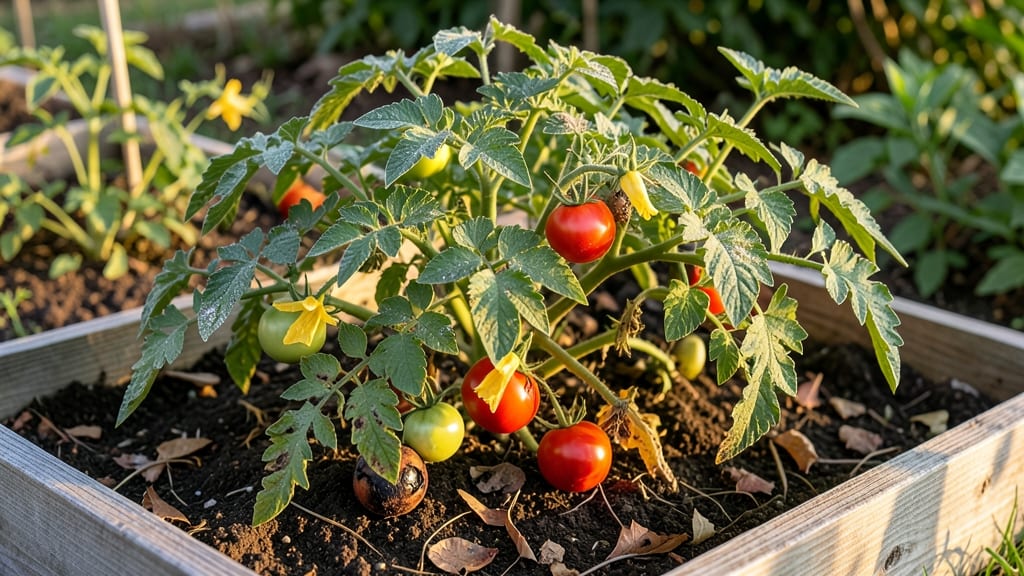
Your garden tomato problems are screaming for help—but I’ve fixed every issue from blight to blighted fruit, and these fast fixes work in minutes. 🌱 The moment I spotted those first brown spots or saw caterpillars munching leaves, I knew panic wouldn’t help.
Instead, I learned to spot the three most common tomato problems early, and now my plants recover in days, not weeks.
Blossom end rot? That’s calcium screaming for attention. 💧 Yellowing leaves? Nitrogen’s missing in action. And those ravenous hornworms? They’re not just pests—they’re thieves in disguise. The good news? Each problem has a simple, organic solution that doesn’t require a degree in horticulture.
I’ll show you how to diagnose the issue by just looking at the plant, then grab the right tool (or kitchen staple) to turn things around.
By the end, you’ll know exactly what to do when you see wilting vines, cracked fruit, or mysterious holes. No more guessing—just confident fixes that keep your tomatoes thriving until the first frost. And the best part? Most remedies use stuff you already have at home.
Whether you’re dealing with a single plant or a full garden in crisis, these fixes work for container tomatoes, raised beds, and in-ground plots alike. Let’s get those plants back on track—before the squirrels notice the bounty.
Root Causes Of Tomato Troubles
Understanding why your garden tomatoes are struggling starts with identifying the hidden triggers behind common issues. From soil imbalances to environmental stress, these factors often work silently to sabotage your harvest. Below, we break down the three primary culprits—each with a clear scientific explanation—and why they derail tomato growth.
Tomatoes thrive in well-draining, nutrient-rich soil with a pH between 6.0 and 6.8. When these conditions aren’t met, your plants suffer in predictable ways:
- Compacted or Waterlogged Soil 🌧️ - Why it happens: Heavy clay or poorly amended soil traps excess moisture, cutting off oxygen to roots.
This leads to root rot (Phytophthora fungi) and nutrient starvation, causing stunted growth or yellowing leaves. - Science behind it: Roots rely on aeration (air pockets in soil) for respiration. When saturated, they suffocate, triggering stress hormones like ethylene, which accelerates decay.
- Nutrient Deficiencies - Why it happens: Tomatoes are heavy feeders, requiring nitrogen (N), phosphorus (P), and potassium (K) in balanced ratios.
A deficiency in any of these causes: - Nitrogen (N) lack: Pale, yellow leaves (chlorosis) starting at the base. - Phosphorus (P) lack: Slow growth, purple stems, or weak root development. - Potassium (K) lack: Weak stems, poor fruit set, or blossom end rot (calcium uptake is blocked when K is low). - Pro tip: Test your soil annually—many gardeners assume their soil is fertile, but overtime, nutrients deplete without replenishment.
- pH Imbalances - Why it happens: Soil pH affects nutrient availability. If pH is too high (>7.0), micronutrients like iron (Fe), manganese (Mn), and zinc (Zn) become locked away, causing interveinal chlorosis (yellowing between leaf veins).
If too low (<5.5), aluminum toxicity can occur, damaging roots. - Fix it fast: Amend soil with lime (to raise pH) or sulfur (to lower pH) based on a soil test.
Tomatoes are sensitive to temperature swings, humidity, and light exposure. Push them beyond their comfort zone, and problems arise fast:
- Extreme Heat or Cold - Why it happens: Tomatoes prefer daytime temps of 70–85°F (21–29°C).
Heat stress (>90°F/32°C) causes: - Sunburn: White, leathery patches on fruit (especially on exposed sides). - Blossom Drop: High temps disrupt pollen viability, leading to poor fruit set. - Cold stress (<50°F/10°C): Slows metabolism, stunts growth, and makes plants vulnerable to fungal diseases like early blight.
- Inconsistent Watering - Why it happens: Tomatoes need 1–2 inches of water per week, but uneven moisture triggers: - Blossom End Rot: Calcium uptake is disrupted by fluctuating soil moisture, causing dark, sunken spots on fruit. - Cracked Tomatoes: Rapid watering after drought causes cells to expand too fast, splitting the skin. - Science note: Tomatoes absorb 90% of their calcium through water.
Dry spells block transport, even if calcium is present in the soil.
- Poor Air Circulation
- Why it happens: Dense foliage or overcrowded plants create humid microclimates, perfect for:
- Fungal diseases (early blight, late blight, powdery mildew).
- Bacterial spots (Xanthomonas bacteria thrive in wet leaves).
- Fix it: Prune suckers (side shoots), space plants 18–24 inches apart, and use fan circulation in greenhouses.
- Why it happens: Dense foliage or overcrowded plants create humid microclimates, perfect for:
Tomatoes attract a who’s who of garden pests and pathogens, each with a distinct way of sabotaging your crop:
- Common Pests - Aphids & Whiteflies: 🐜 Sap-sucking insects that weaken plants by injecting toxins, causing curled leaves and stunted growth. They also spread viral diseases like tomato mosaic virus. - Hornworms: 🐛 Voracious caterpillars that devour leaves and fruit overnight.
A single hornworm can strip a plant in 24 hours. - Root-Knot Nematodes: 🐛 Microscopic worms that penetrate roots, forming galls that block water and nutrient uptake, leading to wilting.
- Fungal & Bacterial Infections - **Early Blight (Alternaria solani): 🍄 Brown, concentric spots on lower leaves, caused by fungal spores that thrive in cool, wet conditions.
It spreads upward, defoliating plants and reducing yield. - Late Blight (Phytophthora infestans): 🍄 Irregular, greasy-looking spots that kill leaves rapidly.
This airborne pathogen can destroy a crop in days—it’s the same fungus that caused the Irish Potato Famine. - Bacterial Spot (Xanthomonas perforans): 🦠 Small, water-soaked spots that turn black and crusty.
Bacteria enter through wounds (e.g., from hail or pruning) and spread via rain splash.
- Viral Infections
Key Takeaway: Most tomato problems stem from preventable issues—whether it’s soil neglect, environmental extremes, or pest outbreaks. The good news? Early diagnosis + targeted fixes can save your harvest before symptoms worsen. Next, we’ll cover fast solutions** for each of these root causes.
Quick Fixes for Common Tomato Troubles
Got a garden full of tomatoes that aren’t living up to their potential? Don’t worry—most issues have simple, effective solutions. Below, we’ll break down the fixes for the top 3 tomato problems (blossom end rot, cracking, and pest damage) with step-by-step guidance and prevention tips to keep your plants thriving.
Problem: Brown, leathery patches on the fruit’s bottom? This is blossom end rot, caused by a calcium deficiency (often due to uneven watering or poor soil).
How to Fix It:
✅ 🔥 Boost Calcium Fast - Spray or drench your plants with a calcium-rich solution (like 1 tbsp of calcium nitrate or crushed eggshells in 1 gallon of water).
Repeat every 7–10 days until new fruit sets. - Use Epsom salt (magnesium sulfate) as a secondary fix—mix 1 tbsp per gallon of water and apply to soil or leaves.
✅ 💡 Prevent Future Issues - Water consistently—keep soil evenly moist (not soggy, not dry).
Drip irrigation or soaker hoses work best. - Add organic matter like compost or well-rotted manure to improve soil structure and calcium availability. - Avoid heavy fertilizers high in nitrogen—too much can starve roots of calcium.
Problem: Vertical or star-shaped cracks in your tomatoes? This happens when rapid growth outpaces water absorption, often due to inconsistent watering or fluctuating soil moisture.
How to Fix It:
🍳 👨🍳 Adjust Your Watering Routine
- Water deeply 2–3 times per week (early morning is best) instead of frequent light sprinkles.
- Mulch heavily (2–3 inches of straw or wood chips) to lock in moisture and prevent soil temperature swings.
🌡️ 🎯 Slow Down the Growth (If Needed)
- If your plants are over-fertilized, reduce nitrogen-heavy feeds. Instead, use a balanced 10-10-10 or compost tea to encourage steady (not explosive) growth.
- Prune suckers aggressively to redirect energy to fewer, stronger fruits.
✨ 💡 Save Cracked Tomatoes
- Use them ASAP—cracked tomatoes are more prone to rot, so slice and freeze them for sauces, or cook them into salsas and soups before they spoil.
Problem: Holes in leaves, wilting, or weird spots? Aphids, hornworms, early blight, or powdery mildew are likely culprits.
How to Fix It:
🔪 👨🍳 Manual & Organic Pest Control
- Handpick hornworms (they’re huge and easy to spot—drop them in soapy water).
- Spray neem oil (mix 1 tbsp neem oil + 1 tsp mild soap + 1 quart water) every 5–7 days to deter aphids and fungal spores.
- Introduce beneficial insects like ladybugs or lacewings to eat pests naturally.
🌿 💡 Preventative Care
- Rotate crops—don’t plant tomatoes in the same spot every year (wait 3 years to prevent soil-borne diseases).
- Space plants properly (18–24 inches apart) for better airflow, reducing humidity-related fungi.
- Remove diseased leaves immediately and sterilize pruners with rubbing alcohol between cuts.
If your plants are severely infected (e.g., late blight) or overrun by pests, it’s sometimes best to pull and replace them.
But if they’re still salvageable: - Harvest early—pick tomatoes firm but ripe (even if small) to prevent further spread. - Move containers if using pots—relocate them to a shadier, drier spot to slow disease progression.
Final Tip: 🌱 Keep a garden journal! Track watering, fertilizing, and pest issues so you can spot patterns next season. A little prevention goes a long way toward bountiful, problem-free tomatoes. 🍅✨
Frequently asked questions about garden tomato problems
Why do my tomato leaves turn yellow first at the bottom?
This classic sign usually means nitrogen deficiency or overwatering. Yellowing lower leaves (starting from the base) often indicates the plant can't get enough nitrogen for new growth. Check your soil—if it's waterlogged, roots suffocate and can't absorb nutrients properly. Try adding compost or a balanced organic fertilizer with more nitrogen (look for the first number in the NPK ratio being higher).
Can I still eat tomatoes with blossom end rot?
Yes, but use them quickly! The affected areas are safe to eat—they're just cosmetically unappealing. Cut off the rotten bottom before using them in sauces, salsas, or cooking. For future prevention, maintain consistent moisture (water deeply 2-3 times weekly) and add crushed eggshells or calcium supplements to your soil.
What's the fastest way to get rid of hornworms?
Handpicking is your best bet—these caterpillars grow up to 4 inches long overnight! Check leaves daily (especially in the morning) and drop them in soapy water. For prevention, plant basil nearby (hornworms avoid it) or introduce parasitic wasps (they naturally control hornworm populations). Neem oil sprays also work as a deterrent.
How do I know if my tomato plant has early blight vs. late blight?
Early blight shows as concentric brown circles on lower leaves (starting at leaf edges), while late blight creates greasy-looking, irregular brown spots that spread rapidly to stems and fruit. Late blight is more urgent—it can destroy plants in days. Remove infected leaves immediately and space plants for better airflow. Copper fungicide sprays help prevent both.
Will mulching really help prevent tomato problems?
A 2-3 inch layer of straw or wood chips keeps soil moisture even, prevents temperature swings, and blocks fungal spores from splashing onto leaves. It also suppresses weeds that compete with tomatoes. For best results, maintain the mulch layer throughout the growing season and avoid piling it against stems (which can cause rot).