Companion Plants
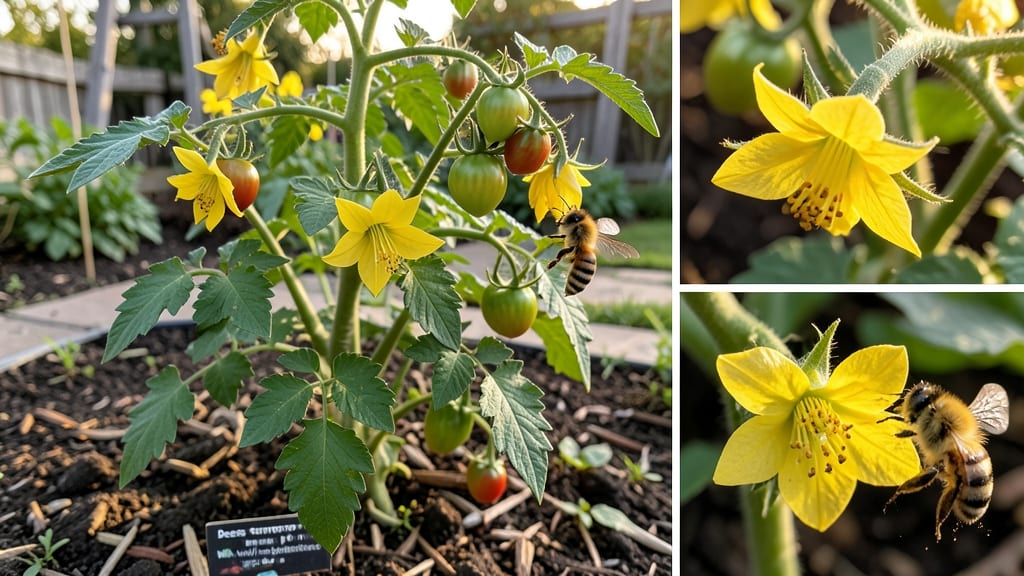
How do tomato plants get pollinated? Nature has clever ways to make it happen—even without bees buzzing around. 🌿 I’ve watched my tomato blossoms transform from delicate white flowers into plump red fruits, and the secret lies in understanding how pollen travels, whether by wind, insects, or even a gentle nudge from you. Most gardeners rely on bees or wind to carry pollen between flowers, but tomato plants have a unique trick: their flowers release pollen easily when touched. That’s why a light breeze or a bee brushing past can trigger fruit set. The challenge comes indoors or in greenhouses, where pollinators are scarce—leading to blossoms that drop off without ever forming tomatoes. The fix is simple: give your plants a helping hand by gently shaking them or using a small brush to transfer pollen. Within days, you’ll see those blossoms swelling into tiny green fruits. This method works especially well for determinate varieties, which set fruit all at once, or indoor growers using grow lights. For outdoor gardens, plant bee-friendly flowers like basil or marigolds nearby to attract pollinators naturally. The key is consistency—whether you’re relying on nature or lending a hand, pollination is the bridge between blossoms and harvest. Let’s make sure yours never falls through!
📚 In This Guide
- What you need
- Instructions
- Tips and common mistakes
- Wrapping up and next steps
What you need
- ● Tomato plants: Healthy, flowering plants (determinate or indeterminate varieties). Quantity: 1-5+ plants, depending on your garden size.
- ● Small paintbrush or cotton swab: Soft-bristled for gentle pollen transfer. Spec: New, clean brush or swab (sterilize with rubbing alcohol if reusing).
- ● Water spray bottle: 8–16 oz (240–470 mL) with a fine mist nozzle for humidity control.
- ○ Bees or beneficial insects: Native bees, bumblebees, or ladybugs (if introducing pollinators). Optional: Buy local bee packages or plant bee-friendly flowers nearby.
- ● Handheld fan or small battery-powered fan: For wind pollination assistance. Spec: Low-speed setting (500–1,000 RPM).
- ○ Pruning shears: Sharp, clean shears for trimming excess foliage (optional but helpful for airflow).
- ○ Gloves (optional): Lightweight gardening gloves to protect hands while handling plants.
- ● Sunlight: Tomato plants need 6–8+ hours of direct sunlight daily for optimal flowering.
- ● Temperature: Ideal range: 70–85°F (21–29°C). Avoid pollinating if temps drop below 50°F (10°C).
- ● Humidity control: Light misting in dry climates (especially in greenhouses) to encourage bee activity.
- ● Patience: Pollination timing—wait until flowers open fully (morning is best!).
How tomato plants get pollinated: nature’s tricks for bountiful harvests
Tomatoes don’t need bees to thrive—here’s how they trick nature into producing fruit.
🌱 Step 1: Understand Tomato Flowers’ Self-Pollination Trick
Tomato flowers are built for self-pollination. Each bloom has both male and female parts, but the pollen needs to move from the anthers (male) to the stigma (female) to fertilize the ovary. Nature designed them to shake loose pollen when touched—even by a gentle breeze or your finger. The key is timing: flowers open in the morning, and pollen must reach the stigma within hours for fertilization to work.
If you see flowers that drop off without forming fruit, it’s often because the pollen didn’t transfer properly. The stigma must be receptive—it looks like a tiny, sticky tip at the center of the flower. When pollen lands there, the ovary swells into a tomato over time. I always check flowers in the morning to see if the stigma is glistening with pollen—if not, I give them a little help.
☀️ Step 2: Mimic Nature’s Pollination Methods
Since tomatoes don’t rely on bees, they use wind, vibration, or physical touch to release pollen. On calm days, I gently tap each flower cluster with my finger—just a light shake is enough to dislodge pollen. This mimics how wind or even raindrops would work in the wild. For larger plants, a small paintbrush or cotton swab works well too; just brush the anthers (the yellow pollen-covered parts) and touch the stigma.
Here’s the thing—don’t overdo it. Pollen is fragile, and too much handling can damage flowers. I focus on flowers that are fully open and have visible pollen (they look dusty yellow). Closed buds or flowers with no pollen won’t set fruit, no matter how much you shake them. Watch for the stigma to turn slightly darker after pollination—that’s your sign it’s working.
💧 Step 3: Optimize Conditions for Successful Pollination
Pollination thrives in specific conditions: temperatures between 65-85°F, moderate humidity, and gentle movement. If your tomatoes are in a still, hot greenhouse, I recommend using a small fan on low speed near the plants. The airflow mimics wind and helps pollen disperse. Avoid strong gusts, though—those can blow pollen away entirely.
Watering also plays a role. Consistent moisture keeps flowers healthy, but sudden drought stress can cause flowers to drop before pollination. I water deeply in the morning so the soil stays evenly damp but not soggy. Overhead watering can wash away pollen, so I use a drip system or water at the base instead. You’ll know your plants are happy when flowers stay open for 2-3 days—that’s enough time for pollination to occur naturally.
⏰ Step 4: Troubleshoot Common Pollination Failures
If flowers keep falling off without setting fruit, check for these issues first. Extreme heat (above 90°F) can cause pollen to fail—shade cloth helps. Over-fertilizing with nitrogen leads to lush leaves but no flowers, so switch to a phosphorus-heavy fertilizer (like 5-10-5) to encourage blooming. Even poor airflow from crowded plants can trap humidity and prevent pollination.
Real talk: sometimes the problem is the flowers themselves. Tomatoes produce both perfect flowers (with both male and female parts) and male flowers (pollen-only). Male flowers drop early and don’t set fruit, so focus on the ones with tiny green ovaries at the base. If you’re still struggling, try hand-pollinating every other day until you see fruit begin to swell—it’s a sure sign the process is working.
🌿 Step 5: Encourage Continuous Pollination for a Long Harvest
Tomatoes produce flowers in clusters, and each one needs pollination to form fruit. I make it a habit to check plants every 2-3 days during peak blooming season. Start with the oldest flowers first—they’ll set fruit and ripen sooner. As new blooms open, I rotate my attention to those, ensuring no cluster is neglected.
Here’s a pro tip: prune suckers (the small shoots in the leaf axils) early in the season. While it reduces yield slightly, it directs the plant’s energy into stronger stems and more robust flowers. Stronger plants produce more reliable pollination and fewer dropped blooms. By mid-season, you’ll see fruit setting consistently—proof that your pollination efforts are paying off.
Tips & tricks for perfect tomato pollination
Here's how to maximize your tomato plant's natural pollination tricks for a more reliable harvest.
Timing is Everything: The morning is your golden window for pollination—this is when tomato flowers open and pollen is most receptive. I make it a habit to check my plants right after sunrise, when flowers are fully unfurled. The stigma (that tiny sticky tip) should be glistening and ready to receive pollen. If you miss the morning, don't worry—just focus on flowers that are already fully open with visible pollen dust on the anthers.
Gentle Touch Makes All the Difference: When hand-pollinating, think "light as a breeze" rather than aggressive shaking. I use my finger to gently tap each flower cluster, or a small paintbrush to transfer pollen from anthers to stigma. The key is to avoid damaging delicate petals—just enough movement to dislodge pollen. I've learned this the hard way after accidentally crushing flowers trying to be too thorough!
Environmental Conditions Matter: Maintaining temperatures between 65-85°F creates ideal pollination conditions. If your greenhouse gets hotter than 90°F, consider shade cloth to prevent pollen failure. I've seen firsthand how extreme heat causes pollen to become sterile—flowers open but no fruit sets. Also, avoid overhead watering that could wash away precious pollen. A drip irrigation system at the base keeps everything happy without disrupting the pollination process.
Visual Cues for Success: Look for these signs of successful pollination: flowers that stay open for 2-3 days (not wilting immediately), stigmas that turn slightly darker after contact with pollen, and tiny green ovaries at the base of flowers. When I see these visual cues, I know my pollination efforts are working. For stubborn plants, I'll hand-pollinate every other day until I see consistent fruit set—it's worth the extra attention for that bountiful harvest.
Pro Tips for How Do Tomato Plants Get Pollinated
- Here's how to maximize your tomato plant's natural pollination tricks for a more reliable harvest.
- Timing is Everything: The morning is your golden window for pollination—this is when tomato flowers open and pollen is most receptive.
- Gentle Touch Makes All the Difference: When hand-pollinating, think "light as a breeze" rather than aggressive shaking.
Frequently asked questions
Got questions about tomato pollination? You’re not alone! Here are answers to some of the most common queries—whether you're troubleshooting a poor harvest or just curious about nature’s (or your hands’) role in the process.
Do tomato plants need bees to pollinate?
Not always! While bees are natural pollinators, tomato plants can self-pollinate via wind, vibrations (like from raindrops or your fingers), or even gentle shaking. Indeterminate varieties (like cherry tomatoes) rely more on external help, but determinate types often pollinate themselves. Still, bees boost yields—so plant flowers nearby to attract them!
When is the best time to help pollinate tomatoes?
Morning is ideal! Pollen is freshest and stickiest when humidity is low (right after dew dries). Gently shake the plant or use a small brush to transfer pollen from male (anther) to female (stigma) flowers. Avoid midday heat, as pollen can dry out and lose effectiveness.
Why aren’t my tomatoes setting fruit, even with good pollination?
Several factors could be at play: temperature extremes (below 55°F or above 90°F), lack of water, nutrient deficiencies (especially nitrogen or phosphorus), or disease stress. Check for blossom end rot (calcium deficiency) or fungal spots. If issues persist, test soil pH or adjust care routines.
Can I use companion plants to improve tomato pollination?
Plant bee-friendly flowers like basil, marigolds, or borage nearby—they attract pollinators. Avoid strong herbs (e.g., mint or sage), which can repel bees. Even nasturtiums act as “trap crops,” luring pests away while keeping bees buzzing around your tomatoes.
How can I pollinate tomatoes indoors or in greenhouses?
Since wind and bees are absent, take charge! Use a soft paintbrush or cotton swab to transfer pollen from male to female flowers. For large plants, a handheld vacuum (gentle setting) can collect pollen from one flower and deposit it on another. Do this daily during blooming season for consistent fruit set.
Wrapping up and next steps
Understanding how tomato plants get pollinated unlocks the secret to abundant, healthy harvests—whether through nature’s wind or your own hands! 🌬️🍅 From hand-pollination tricks to strategic companion planting, every method helps ensure those juicy fruits grow strong.
Now that you’re armed with the know-how, why not put it into action? Grab your garden gloves, head outdoors, and give your tomato plants the love they need to thrive. Happy gardening—and here’s to a tomato bonanza! 🌱✨