
Size
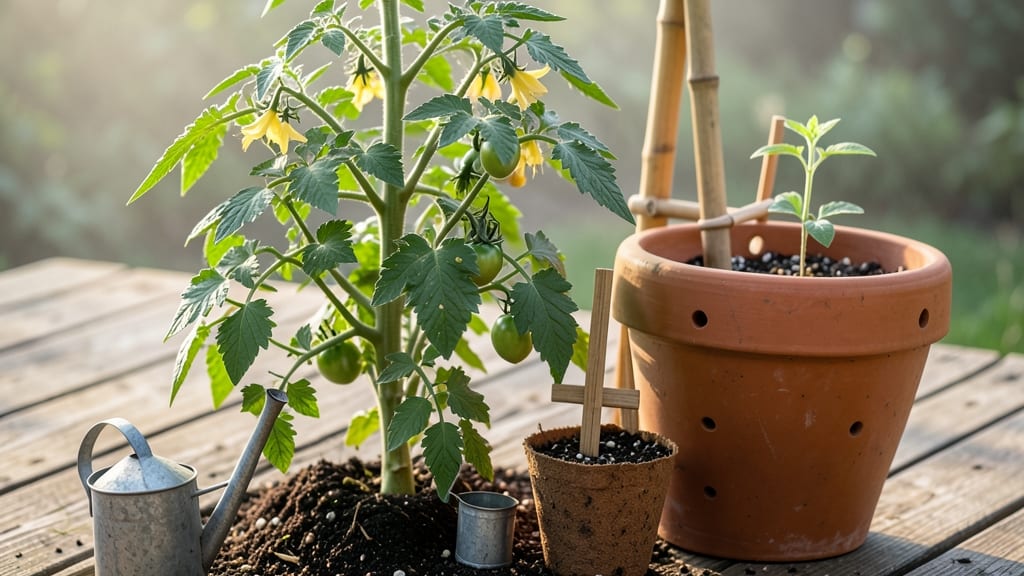
Growing tomato plants in pots turns any balcony into a sun-drenched harvest zone. 🌱 I’ve grown 5-gallon bucket tomatoes that outperform many in-ground plants—key is choosing the right container, soil, and support. My first attempt failed when I used a shallow pot, but switching to 10+ gallons changed everything.
The secret isn’t fancy equipment—it’s matching your tomato’s needs. You’ll need a sturdy container (at least 5 gallons per plant), well-draining soil, and a support system (cages or stakes).
Varieties like ‘Tiny Tim’ or ‘Patio Princess’ thrive in pots, while larger types need deeper roots. Sunlight is non-negotiable: 6+ hours daily keeps plants happy and productive.
By midsummer, you’ll be harvesting juicy, vine-ripened tomatoes straight from your balcony. The plants stay compact, pests are easier to spot, and you avoid soil-borne diseases.
Prune regularly to focus energy on fruit, and watch your yield climb. Even in small spaces, this method delivers homegrown tomatoes without the garden plot.
Works for apartments, rooftops, or sunny patios—just adjust container size for your variety. Here’s how to set it up without the common pitfalls that kill first-time attempts.
📚 In This Guide
- What you need
- Instructions
- Tips and common mistakes
- Wrapping up and next steps
What you need
- ● Containers: 5-gallon pots (or larger) with drainage holes—at least 12-18 inches deep for determinate varieties, 20+ inches deep for indeterminate types. Quantity: 1 per plant (or 1 large container for multiple seedlings).
- ● High-quality potting mix: Lightweight, well-draining blend with compost or aged manure. Quantity: 1 bag per pot (or enough to fill containers to 2-3 inches from the rim).
- ● Tomato seedlings or seeds: Choose disease-resistant varieties like ‘Cherry Tom,’ ‘Roma,’ or ‘Better Boy.’ Quantity: 1-2 per pot (or 1 seed per cell in seed-starting trays).
- ● Support system: For determinate varieties: Sturdy cage (5-6 ft tall) or trellis (4-5 ft wide).
- ● For indeterminate varieties: Tall bamboo stakes (6-8 ft) or tomato towers (7-8 ft).
- ● Fertilizer: Balanced, slow-release granules (10-10-10) or organic options like fish emulsion or compost tea. Quantity: Follow package instructions (typically 1-2 tbsp per pot).
- ○ Drainage materials (optional but helpful): Small rocks, broken pottery, or gravel (1-2 inches) at the bottom of pots to improve airflow.
- ● Watering can or hose with gentle spray nozzle: Avoid overwatering—aim for deep but infrequent watering.
- ● Mulch: Straw or shredded leaves to retain moisture and regulate soil temperature.
- ● Pruning shears: For trimming suckers (side shoots) on indeterminate varieties.
- ● Plant ties or soft twine: To secure vines to supports as they grow.
- ● pH test kit: Ensure soil pH is between 6.0-6.8 (tomatoes love slightly acidic soil!).
- ● Epsom salt (magnesium sulfate): A foliar spray for green, leafy growth (1 tbsp per gallon of water).
- ● Self-watering pot or drip irrigation: For consistent moisture in hot climates.
Step-by-step instructions for growing tomato plants in pots
Here’s how to grow robust tomato plants in containers—no garden required.
🪴 Step 1: Choose the Right Containers and Soil Mix
Select 5-gallon containers or larger (at least 12-18 inches deep) for each plant—tomatoes need room to grow strong roots. I use fabric grow bags because they prevent root circling and allow excess water to evaporate. Drill drainage holes in pots if they don’t have them, and place a 2-inch layer of gravel or broken pottery at the bottom to improve drainage.
Fill the containers with a lightweight potting mix (never garden soil—it compacts and suffocates roots). I blend 50% premium potting mix with 50% compost for nutrients and moisture retention. Pre-moisten the mix until it feels like a damp sponge—you want it to hold water but not drip.
🌱 Step 2: Plant Transplants or Sow Seeds at the Right Time
Start with healthy transplants from a nursery or sow seeds 6-8 weeks before your last frost date. If sowing seeds, plant 2-3 seeds per pot at a depth of ¼ inch and cover lightly. Keep the soil warm (70-80°F) for germination—place pots on a seedling heat mat or in a sunny windowsill. You’ll see sprouts in 7-14 days, but don’t be surprised if it takes longer in cooler homes.
Once seedlings emerge, thin to one strong plant per pot by snipping the weakest at the base. Avoid pulling—it can damage roots. If you’re using transplants, bury them deeper than the original soil line to encourage a sturdy stem. Water gently after planting to settle the soil around the roots.
☀️ Step 3: Provide Support and Optimal Light
Tomatoes in pots need sturdy support—install a cage, trellis, or stakes at planting time. I use bamboo stakes tied with soft twine to avoid damaging stems as the plant grows. Place pots in a south-facing spot where they’ll get 6-8 hours of direct sunlight daily. If your balcony gets less light, supplement with a grow light for 14-16 hours per day to prevent leggy growth.
Watch for yellowing leaves—this usually means the plant isn’t getting enough light. Rotate pots a quarter turn weekly so they grow evenly toward the sun. If leaves start curling or turning purple, the plant may need more water or nutrients. A balanced liquid fertilizer applied every 2 weeks keeps them thriving.
💧 Step 4: Water Deeply and Maintain Consistent Moisture
Tomatoes in pots dry out fast—check soil moisture daily by sticking your finger 1 inch deep. Water deeply when the top inch feels dry, soaking the entire root zone until water runs out the drainage holes. Avoid wetting the leaves to prevent blight and fungal diseases. I water in the early morning so foliage dries quickly.
Mulch the soil surface with 1-2 inches of straw or shredded leaves to retain moisture and keep roots cool. Overwatering is just as bad as underwatering—wilting leaves can signal either too much or too little water. If the soil feels soggy, hold off on watering until the top inch dries out.
✂️ Step 5: Prune and Harvest for Maximum Yield
Prune suckers (the small shoots that grow between the main stem and branches) to direct energy into fruit production. Pinch them off when they’re small—they won’t regrow. Remove lower leaves that touch the soil to improve airflow and reduce disease risk. When flowers appear, shake the plant gently to help pollination (especially indoors).
Harvest tomatoes when they’re fully colored and slightly soft to the touch. Pick them early in the morning for the best flavor. If your plants stop producing, they may need more sunlight, water, or nutrients. At the end of the season, cut back the plant to 6 inches tall, compost the remains, and start fresh next year—your balcony tomatoes will be even better!
Tips & tricks for balcony-friendly tomato giants
Confession: I nearly killed my first container tomato plants by ignoring these game-changing details.
Container Depth Matters: Those 5-gallon pots aren't just recommendations—they're non-negotiable for tomato plants. I learned this the hard way when my 3-gallon pots produced stunted plants with tiny fruits. The extra depth gives roots room to explore downward, preventing the plant from becoming root-bound. If you're using fabric grow bags, make sure they're at least 18 inches deep to match the volume of a 5-gallon container. This depth difference can mean the difference between a productive plant and one that struggles to support itself.
Soil Temperature Secret: The 70-80°F soil temperature range for germination isn't just about speed—it's about consistency. I use a seedling heat mat set to 75°F for my pots, and it makes all the difference. Cold soil slows germination and can lead to weak seedlings. If you don't have a heat mat, place your pots on top of your refrigerator (not near the coils) or nestle them in a warm spot near your kitchen appliances. Just avoid direct sunlight during this stage—the soil needs warmth, not heat stress.
Light Optimization: Those 6-8 hours of sunlight are your minimum, but don't stop there. I've found that plants getting 8+ hours produce significantly larger fruits. If your balcony gets afternoon shade, consider moving your pots to a different location during peak sunlight hours. For indoor growers, supplement with a grow light on a timer for those 14-16 hours. LED grow lights are energy-efficient and can be placed just 6-12 inches above the plants. The key is consistent light exposure—no erratic patterns that confuse the plant's growth cycle.
Pruning Strategy: When it comes to pruning suckers, timing is everything. I wait until they're about 2 inches long before pinching them off—this size is small enough that they won't regrow but large enough to see clearly. For indeterminate varieties (the ones that keep growing), I also remove leaves that would shade the fruit clusters. This might seem counterintuitive, but it actually increases airflow and helps prevent diseases like blight. I prune in the morning when the plants are dry, using clean, sharp scissors to avoid tearing the stems.
Pro Tips for How Do You Grow Tomato Plants In Pots
- Confession: I nearly killed my first container tomato plants by ignoring these game-changing details.
- Container Depth Matters: Those 5-gallon pots aren't just recommendations—they're non-negotiable for tomato plants.
- Soil Temperature Secret: The 70-80°F soil temperature range for germination isn't just about speed—it's about consistency.
Frequently asked questions
Got questions about growing tomatoes in pots?
You’re not alone! Here are answers to the most common queries—from beginners to seasoned balcony gardeners—to help you cultivate thriving plants with confidence.
What’s the best pot size for tomato plants?
For determinate (bush) varieties, aim for at least 12–15 inches deep and wide. Indeterminate (vining) tomatoes need 18–24 inches deep (or larger) to support their sprawling roots. Wider pots = more stability, but ensure drainage holes are present to prevent soggy soil. Pro tip: Use self-watering pots if you travel often!
How often should I water potted tomatoes?
Water when the top 1–2 inches of soil feel dry (usually every 2–3 days in hot weather). Pots dry out faster than ground soil! Avoid wetting leaves to prevent fungal diseases like blight. Morning watering is ideal—it gives foliage time to dry before evening humidity sets in. Troubleshoot: Yellowing leaves? You might be overwatering!
Can I grow cherry tomatoes in smaller pots?
Cherry tomatoes (a compact indeterminate type) thrive in 5–7 gallon pots (12–14 inches deep). Their smaller root systems make them perfect for balconies or patios. Just add a cage or stake early to support their weight as they fruit. Bonus: They ripen faster than larger varieties!
Why are my potted tomato leaves turning yellow?
Yellowing leaves often signal overwatering, nutrient deficiency, or poor drainage. Check for:
- Soggy soil (let it dry out)
- Pale yellow leaves (add balanced fertilizer like 10-10-10)
- Curling edges (could be blight—remove affected leaves and improve airflow)
Fix it: Repot if roots are circling the container or soil is compacted.
When is the best time to transplant tomato seedlings into pots?
Wait until after the last frost and when seedlings are 6–8 inches tall with 2–3 sets of true leaves. Harden them off (acclimate to outdoor conditions) for 5–7 days before transplanting. Evening or cloudy days reduce stress. Plant deeply—bury 2/3 of the stem to encourage root growth!
What if I don’t have a sunny balcony?
Tomatoes need 6–8 hours of direct sunlight daily. If your space is shady:
- Choose dwarf varieties (e.g., ‘Tiny Tim’ or ‘Patio Princess’)
- Use a reflective surface (white walls, mirrors) to maximize light
- Supplement with a grow light (12–14 hours/day) for indoor setups
Alternative: Try shade-tolerant greens (like basil or lettuce) alongside your tomatoes for a mixed container garden!
Wrapping up and next steps
Growing tomatoes in pots is a rewarding way to enjoy fresh, homegrown produce—even in small spaces! With the right container size, sturdy support, and consistent care, you can cultivate thriving plants that yield juicy, flavorful fruits.
Whether you’re a beginner or a seasoned gardener, these balcony-friendly giants prove that big harvests don’t need big yards.
Ready to get started? Pick your favorite tomato variety, gather your supplies, and plant with confidence! 🌱🍅