
How To
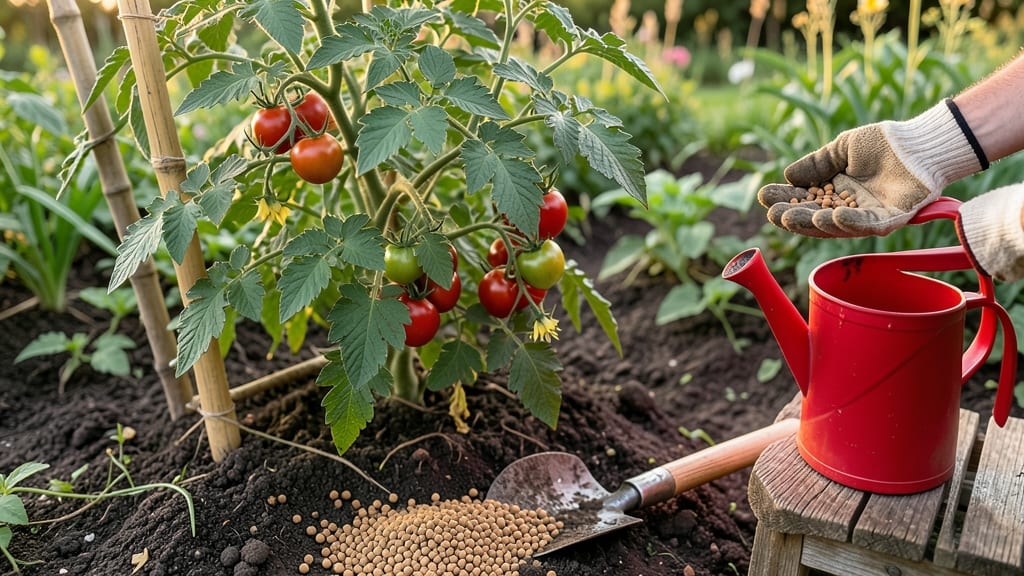
Optimal feeding frequency for tomato plants by growth stage
Feeding your tomato plants at the right time is like giving them a perfectly timed energy boost—too little and they’ll struggle, too much at the wrong stage and you’ll end up with blossom drop or leafy monsters instead of juicy fruit.
The key is matching nutrient ratios (N-P-K) to each growth phase, with organic or synthetic fertilizers tailored to your garden’s needs. I’ve grown hundreds of tomato plants, and this schedule has helped me maximize yields while avoiding common pitfalls like burned roots or stunted growth.
Tomatoes have three critical growth stages—seedling, flowering, and fruiting—each demanding different nutrients. For example, seedlings need more nitrogen (N) for leaf growth, while flowering plants crave phosphorus (P) to develop blooms.
Skipping this precision often leads to plants that look healthy but produce few tomatoes. Let’s break down the exact feeding schedule, including how often to feed and which fertilizers work best at each stage.
Here’s the game-changer: a weekly feeding schedule that aligns with your tomato’s natural growth cycle. Whether you’re using compost tea, fish emulsion, or a balanced synthetic fertilizer, timing is everything.
Overfeeding during the seedling stage can cause rapid leaf growth at the expense of roots, while underfeeding during fruiting leads to small, bland tomatoes. The table below shows exactly what to feed and when, plus the science behind why it works.
During the seedling stage, focus on building strong roots and stems. A 10-5-5 ratio encourages leafy growth without overwhelming the plant. I’ve found that fish emulsion (5-1-1) works wonders here because it’s gentle and packed with nitrogen.
Overfeeding now can lead to weak stems that snap under the weight of future fruit. Always water thoroughly after feeding to prevent root burn.
When your plants hit the flowering stage, switch to a 5-10-10 ratio to support bloom development. This is where many gardeners make mistakes—using too much nitrogen keeps plants leafy but stunts fruit
Signs your tomato plants need (or resent) more food
Your tomato plants communicate their needs through subtle (and not-so-subtle) visual cues. Yellowing leaves, stunted growth, or weak stems often signal nutrient deficiencies or overfeeding. Pay attention to these signs before your plants start dropping blossoms or producing small, bland fruit.
One of the most common red flags is excessive leafy growth at the expense of fruit. If your plants look like they’re growing more foliage than they can handle, they’re likely getting too much nitrogen without enough phosphorus or potassium.
This imbalance shifts energy away from fruit production and toward leaf growth.
Another warning sign is purple or brown stems, which often indicates a phosphorus deficiency.
This nutrient is critical for root and flower development, so if your plants are struggling to set fruit, they may need a phosphorus-rich feed. Magnesium deficiency shows up as yellowing between leaf veins, while potassium deficiency causes weak stems and poor disease resistance.
⚠️ Overfeeding Warning: How Often to Feed Tomato Plants
Feeding too often can burn roots and lead to blossom drop. For healthy plants, follow this rule: Every 2-3 weeks during active growth (spring to early summer), then reduce to every 4-6 weeks once fruiting begins. Always water plants before fertilizing to prevent root damage.
Signs of overfeeding: Crispy leaf edges, stunted growth, or white crust on soil surface. Solution: Flush soil with water and reduce fertilizer frequency immediately.
Slow growth despite adequate water and sunlight is another clue your plants need more nutrients. If new leaves are small or pale, they’re likely starving for nitrogen.
However, if growth is slow but leaves are dark green, the issue might be iron or zinc deficiency, which affects chlorophyll production.
Weak stems that can’t support heavy fruit are a clear sign of potassium deficiency. This nutrient strengthens cell walls, so plants low in potassium often produce fruit that splits or rots easily. To fix this, switch to a potassium-rich fertilizer like banana peel tea or a balanced 10-10-10 blend.
Finally, if your tomatoes taste bland or are smaller than expected, your plants may need a balanced feed with all three major nutrients (N-P-K). A simple fix is to alternate between a nitrogen-heavy feed for foliage and a phosphorus-potassium blend for fruiting.
Monitor your plants weekly and adjust based on their cues.