
How To
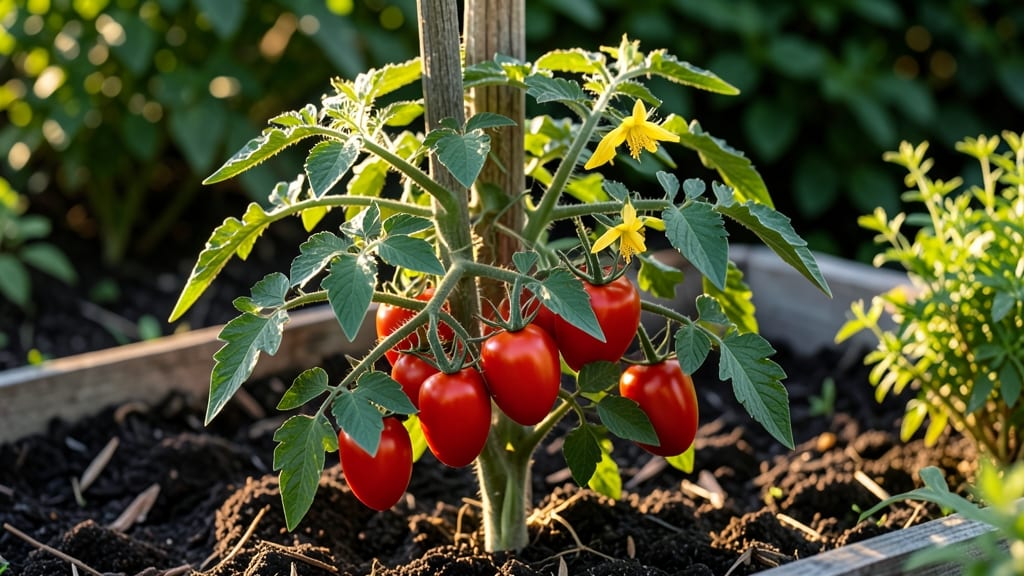
Roma tomato plants grow how tall do they reach heights of 3 to 6 feet, depending on the variety and how you train them—meaning your small balcony or tight garden bed might handle them better than you think.
If you’re planning to grow Roma tomatoes but worried about space, you’ll want to know exactly how tall these prolific producers can get—because some varieties stretch like skyscrapers while others stay neatly contained in a pot.
Determinate varieties (the bush types) max out around 3 to 4 feet, making them perfect for containers or small plots, while indeterminate types can climb to 6 feet or more if left unchecked.
Below, I’ll break down how to manage their height, whether you’re working with limited space or just want to maximize your harvest without sacrificing garden real estate.

Roma tomato plant height by variety: from dwarf to towering giants
When planning your Roma tomato garden, knowing the mature height of each variety is essential for proper spacing and support. These plum-shaped powerhouses come in two main growth types: determinate (bush) varieties that stay compact and indeterminate (vining) types that can reach sky-high heights with the right care.
The difference in height between these types can be dramatic—some stay under 3 feet while others need 10-foot trellises!
Understanding these height differences helps you choose the right variety for your space, whether you have a balcony container or a sprawling backyard. Determinate Roma tomatoes typically mature in 60-75 days and produce fruit all at once, while indeterminate varieties keep producing until frost but require more vertical support.
Let’s break down the most popular types and their growth expectations.
The classic Roma tomato is the most well-known indeterminate variety, often reaching 6-10 feet tall when given proper support. If you’re growing it in your garden, plan for a tall trellis or cage—these plants will climb if given the chance!
The Roma VF (virus-resistant) variety is slightly shorter but still needs vertical support to prevent sprawling and disease.
For smaller spaces, dwarf Roma varieties are a game-changer. These determinate types like Roma Dwarf stay between 2-3 feet tall and can thrive in 5-gallon containers on your patio. They’re perfect if you’re limited to balcony gardening or have a tiny backyard.
Even the slightly taller Roma Super Sauce (3-4 feet) fits well in raised beds or small garden plots.
If you’re aiming for a vertical garden, the Plum Roma indeterminate variety is a fantastic choice. These can grow 8-12 feet tall, making them ideal for training along fences, pergolas, or trellises.
Just be prepared to invest in sturdy support—these plants can get heavy with fruit! The key to managing their height is regular pruning and training to direct their growth upward.
When choosing
How to control Roma tomato height for small spaces or containers
Roma tomatoes can easily reach 5-6 feet tall if left unchecked, but with the right techniques, you can train them to stay compact—even in 5-gallon containers or balcony gardens. The key is combining pruning, trellising, and support systems to guide growth while maximizing fruit production.
Whether you're working with a determinate (bush) or indeterminate (vining) variety, these methods will keep your plants manageable without sacrificing yield.
Start by choosing the right container size—at least 5 gallons for dwarf varieties and 7+ gallons for standard types. Roma tomatoes thrive when their roots have room to spread, but root-bound plants grow taller to reach sunlight.
Pair your container with a sturdy trellis or cage (6+ feet tall) to support vertical growth. For balconies, use wall-mounted trellises or hanging baskets with built-in supports to save floor space.
Prune Strategically
Remove suckers (shoots in leaf axils) weekly to redirect energy to fruit. For containers, prune laterals to 3-4 leaves to keep the plant bushy. Use clean, sharp pruners to avoid disease.
Install a Trellis Early
Set up a trellis or cage at planting to avoid disturbing roots later. For vining types, tie stems to the trellis every 12 inches using soft plant ties. This prevents sprawling and encourages upward growth.
Top-Dress with Mulch
Apply 2-3 inches of mulch (straw or shredded leaves) to retain moisture and cool roots. This reduces stress, which can cause excessive vertical growth. Replenish mulch monthly.
Fertilize for Compact Growth
Use a low-nitrogen fertilizer (e.g., 5-10-10) to promote fruiting over foliage. Avoid high-nitrogen feeds, which encourage leafy, leggy growth. Feed every 4-6 weeks during the growing season.
Harvest Regularly
Pick ripe tomatoes every 2-3 days to encourage continuous fruiting. Overripe tomatoes signal the plant to stop producing, leading to taller, unproductive growth. Store harvested tomatoes in a cool, dry place.
For determinate Roma varieties (like 'Roma VF'), expect a 3-4 foot height with minimal pruning, making them ideal for containers or small gardens. Indeterminate types (e.g., 'Roma Red') will need aggressive pruning and trellising to stay under 5 feet.
If you’re growing in hanging baskets, choose dwarf varieties or prune aggressively to keep the plant under 2 feet.
Monitor your plants for signs of stress, like yellowing leaves or stunted growth, which can trigger excessive height growth. Adjust watering (keep soil consistently moist) and sunlight (ensure 6+ hours of direct sun) to maintain compact, productive plants.
With these techniques, you’ll enjoy bountiful Roma tomatoes without sacrificing your small-space garden.
Pro tip: Use reflective surfaces (like white walls or mirrors) near your containers to maximize sunlight exposure, which helps keep plants stocky and healthy instead of leggy. 🌱